UCCA Beijing Open Today, 10:00-19:00 (Final entry: 18:30)
UCCA Dune Closed Today,
UCCA Clay Open Today, 9:00-18:00 (Final entry: 17:30)
UCCA Beijing
Rutherford Chang: Hundreds and Thousands
2026.1.17 - 2026.4.12
About
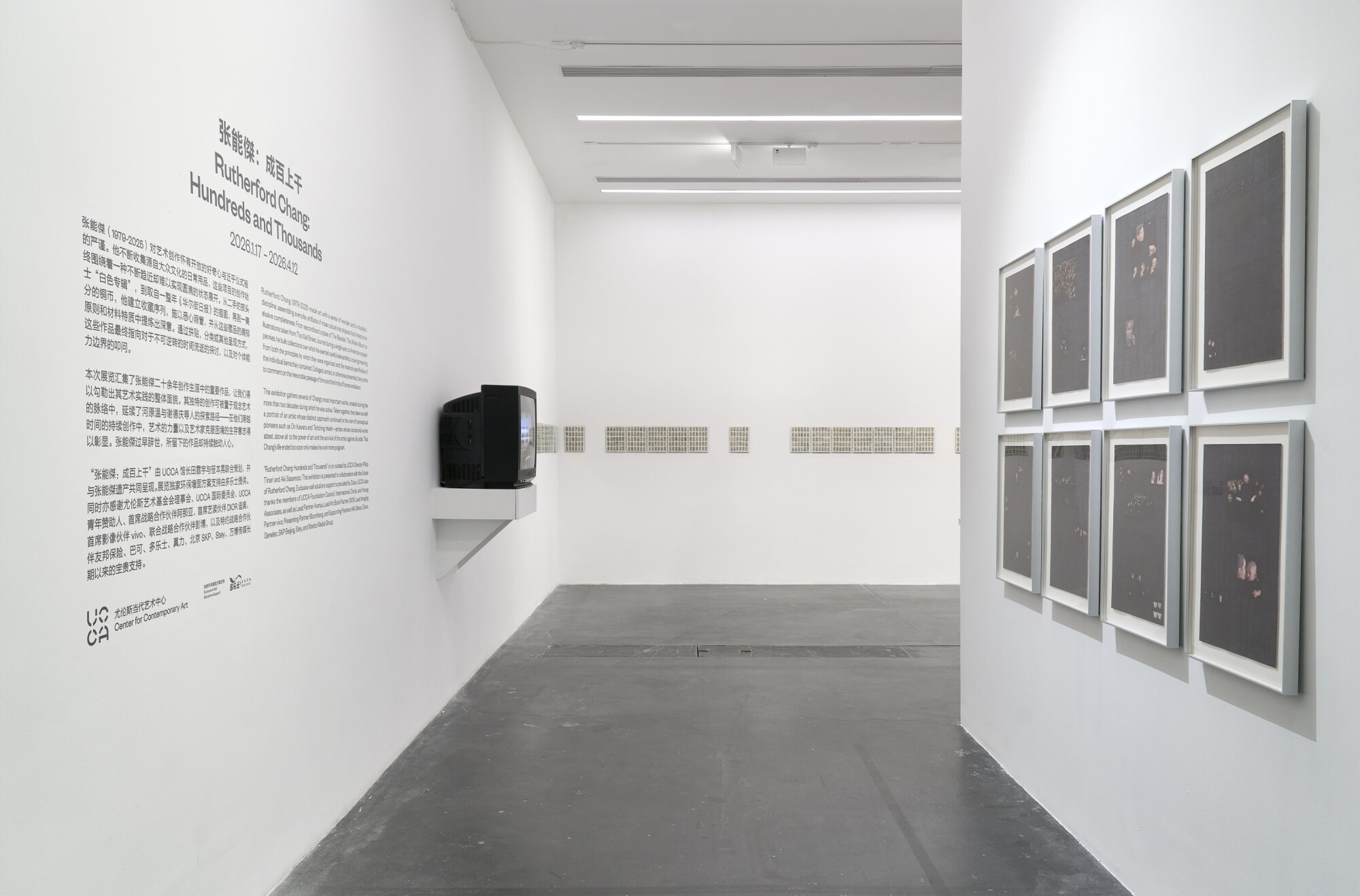
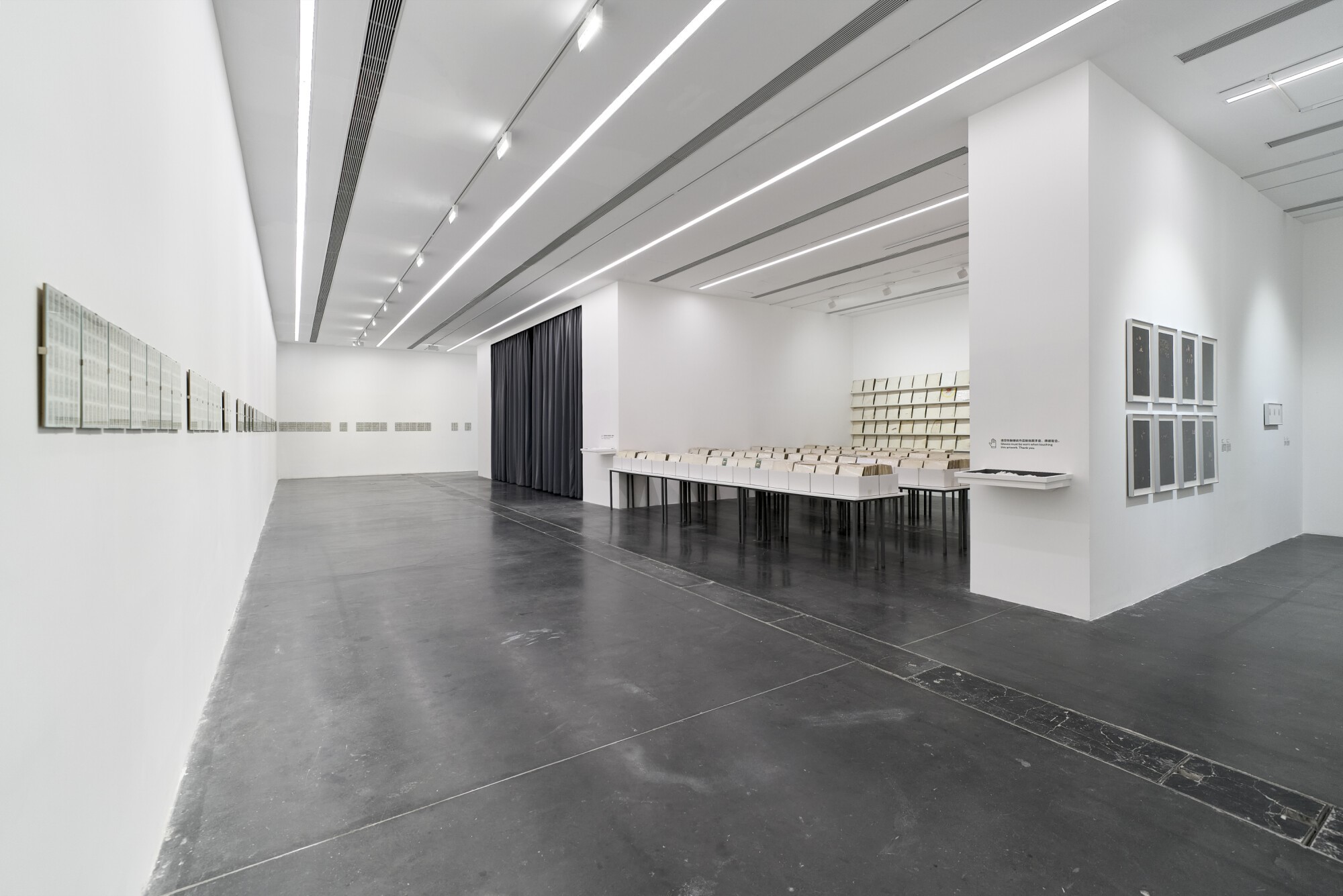
UCCA Center for Contemporary Art presents “Rutherford Chang: Hundreds and Thousands” from January 17, 2026, to April 12, 2026, the artist’s first institutional and most comprehensive solo presentation to date. Drawing on Chang’s engagement with the act of cultural memory, collecting, and repetition, the exhibition traces the evolution of his practice over the past two decades. It features two of his most recognized long-term projects—We Buy White Albums (2006–2025) and CENTS (2017–2024)—in addition to other works, together recontextualizing familiar objects into sites of reflection and critical inquiry.
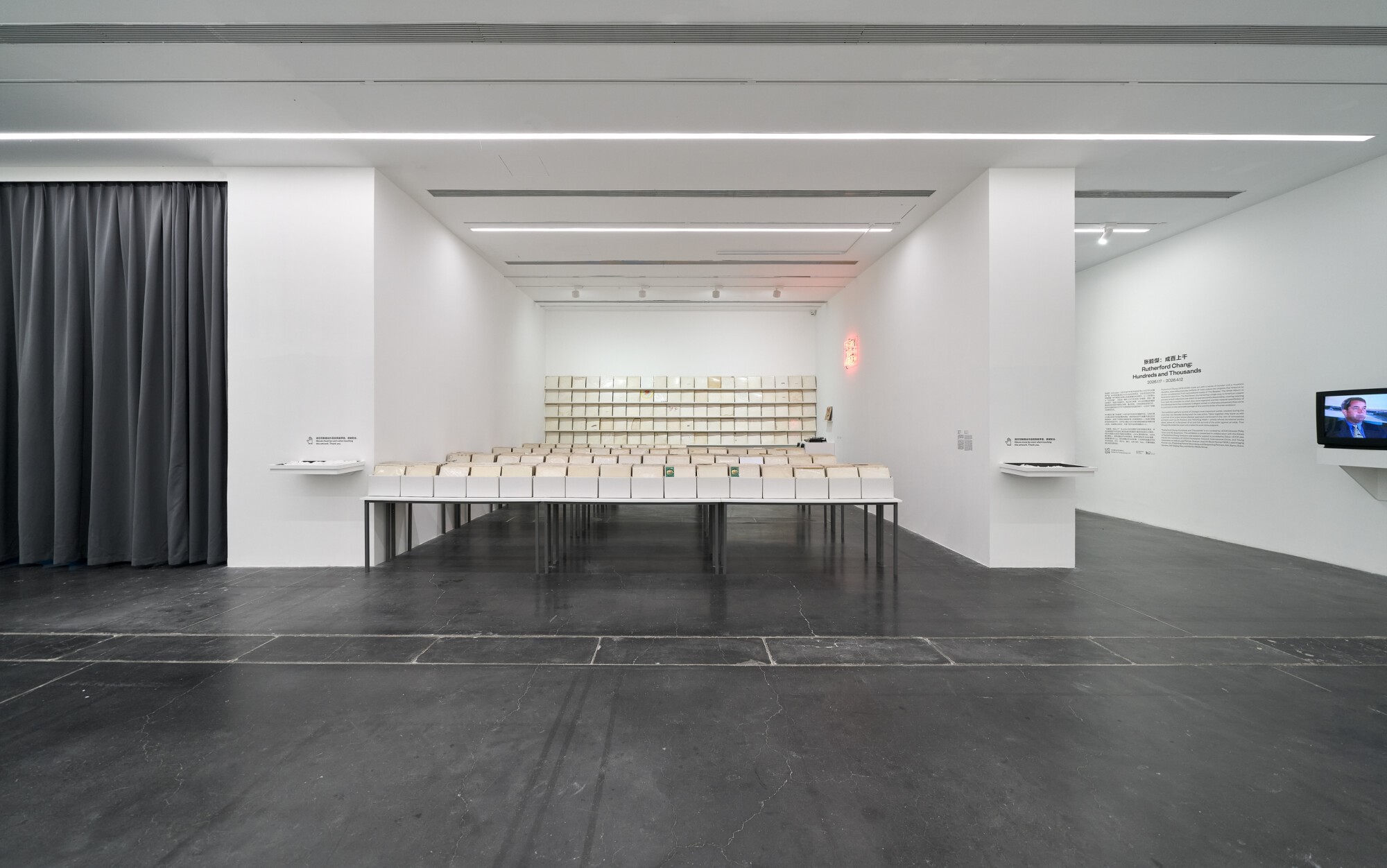
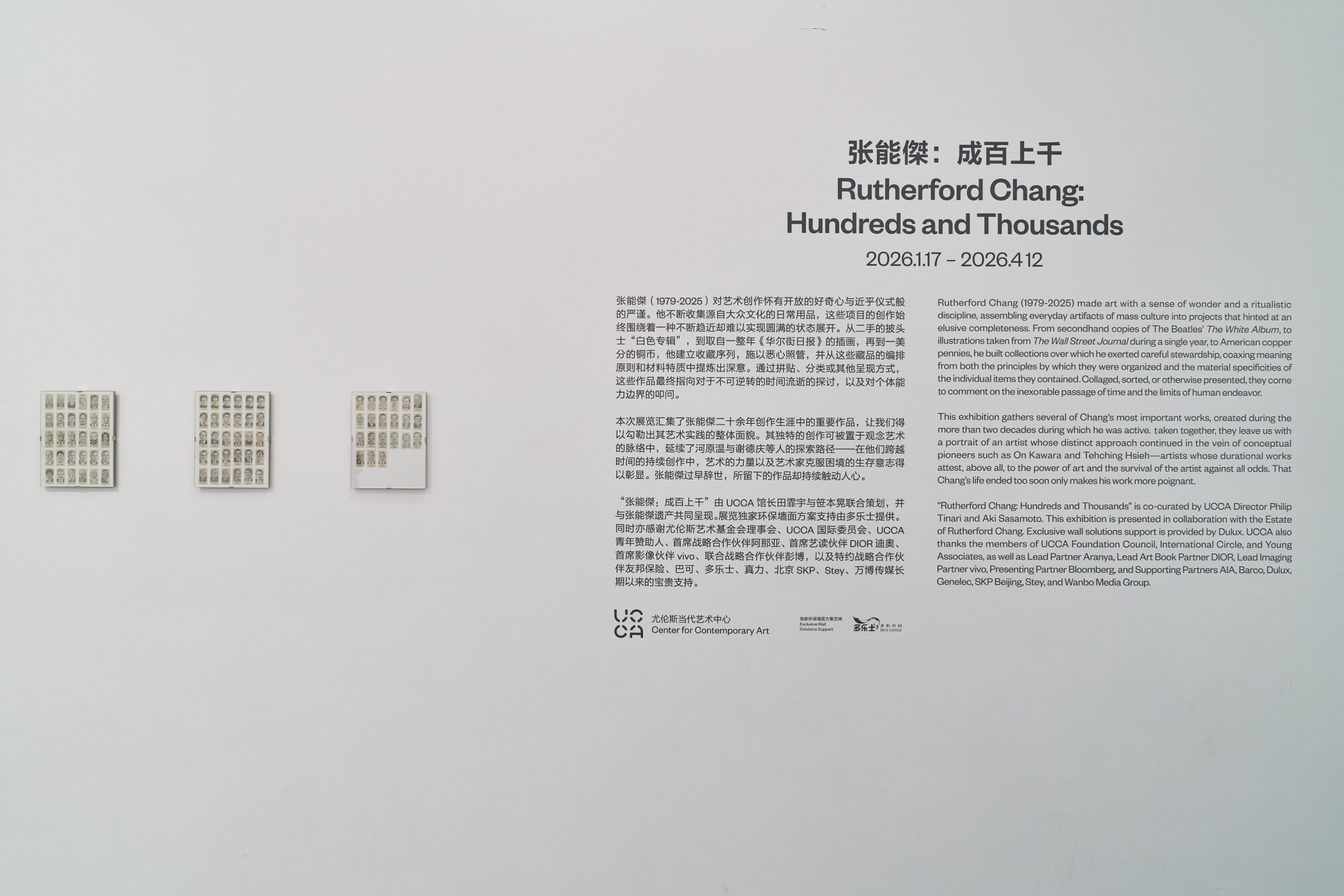
From January 17, 2026, to April 12, 2026, UCCA Center for Contemporary Art presents “Hundreds and Thousands,” Rutherford Chang’s (1979-2025) first institutional and most comprehensive solo exhibition to date. Surveying the decades-long trajectory in Chang’s artistic practice, the exhibition features We Buy White Albums (2006–2025) and the never before exhibited CENTS (2017–2024), two of his most recognized long-term projects, alongside other works that foreground his thoughtful, nostalgic engagement with the act of collecting. Together, these pieces explore how he repositioned value to investigate the latent narratives embedded within circulation, exchange, and everyday objects. The exhibition is co-curated by UCCA Director Philip Tinari and artist Aki Sasamoto (b. 1980, Kanagawa). This exhibition is presented in collaboration with the Estate of Rutherford Chang.
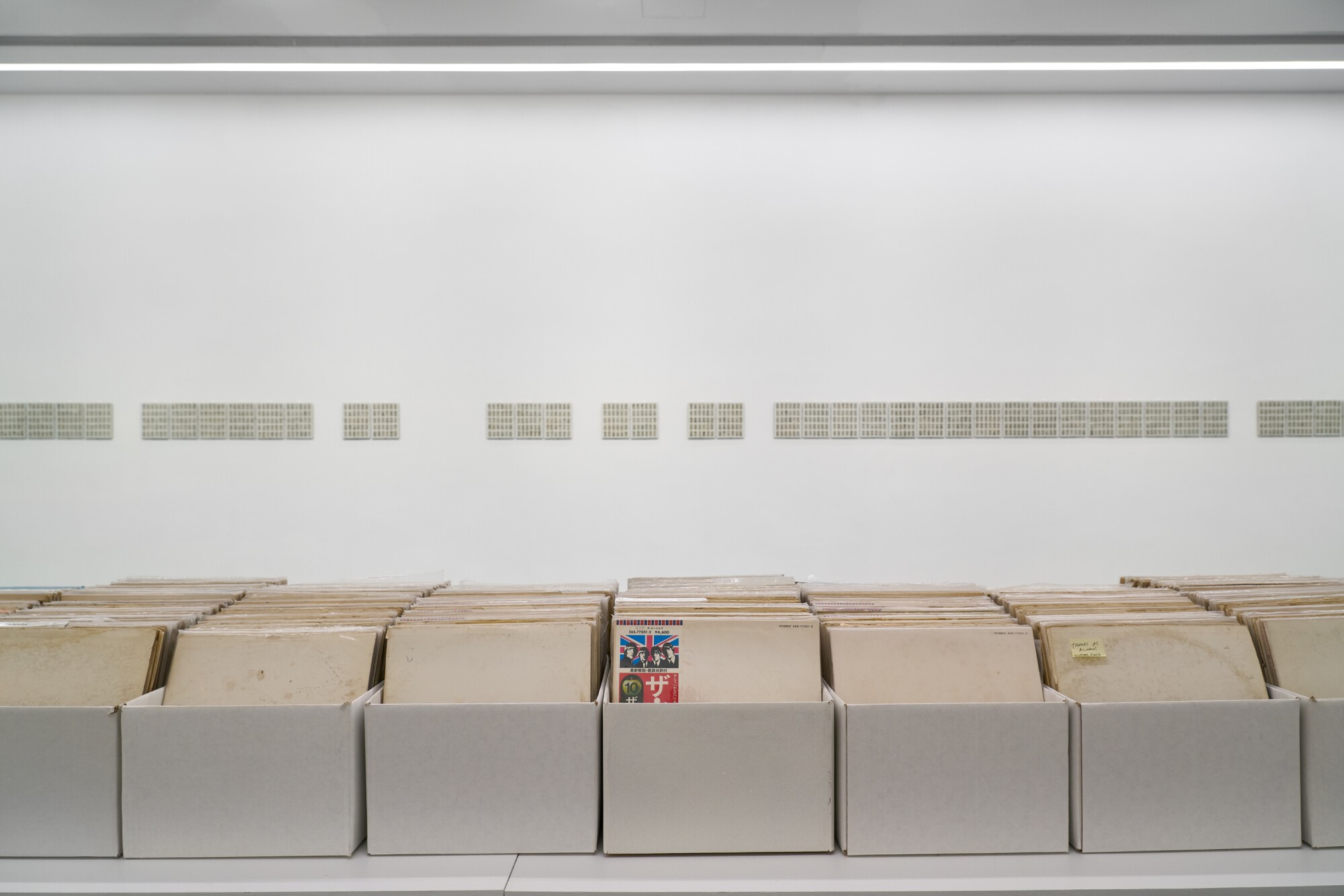
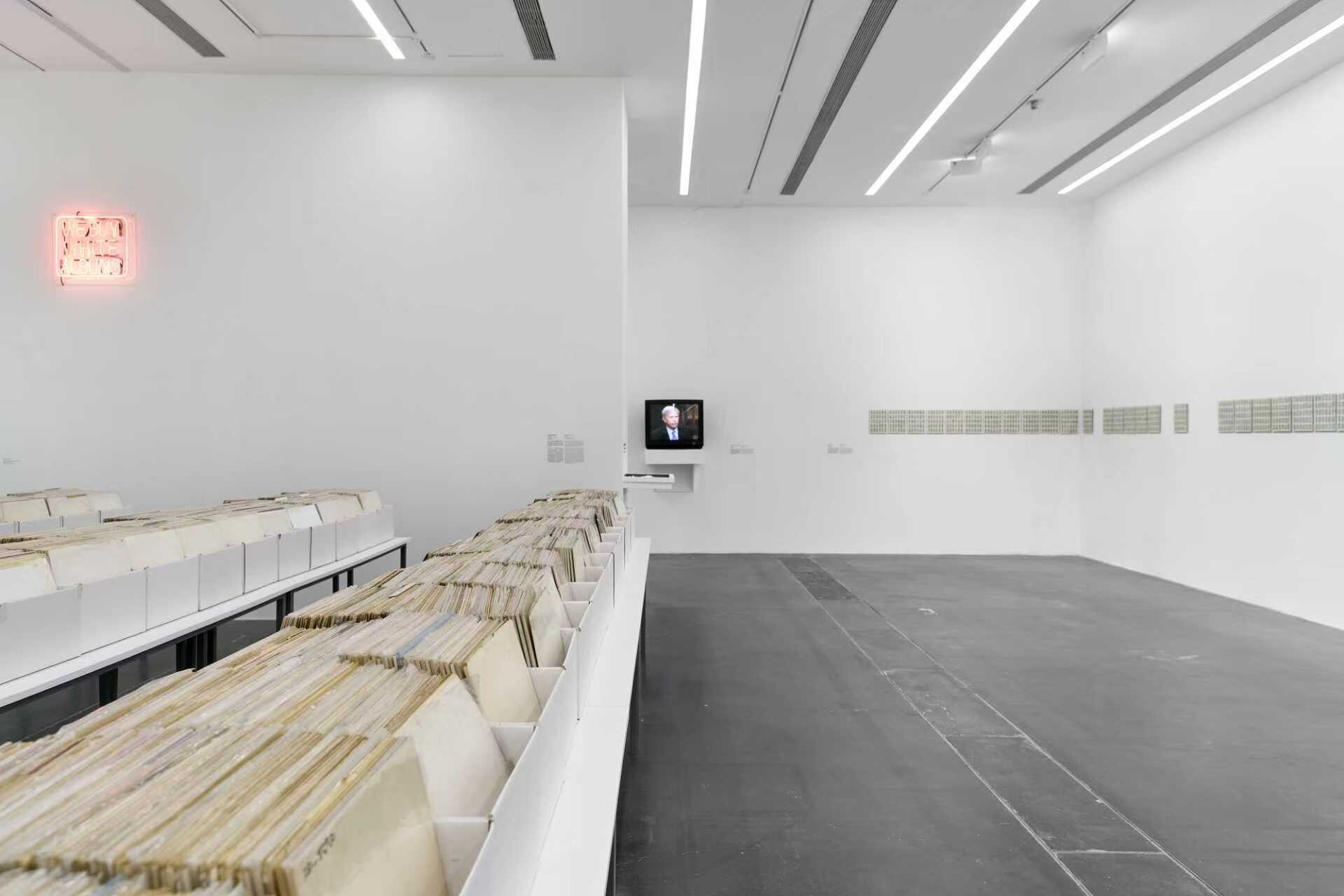
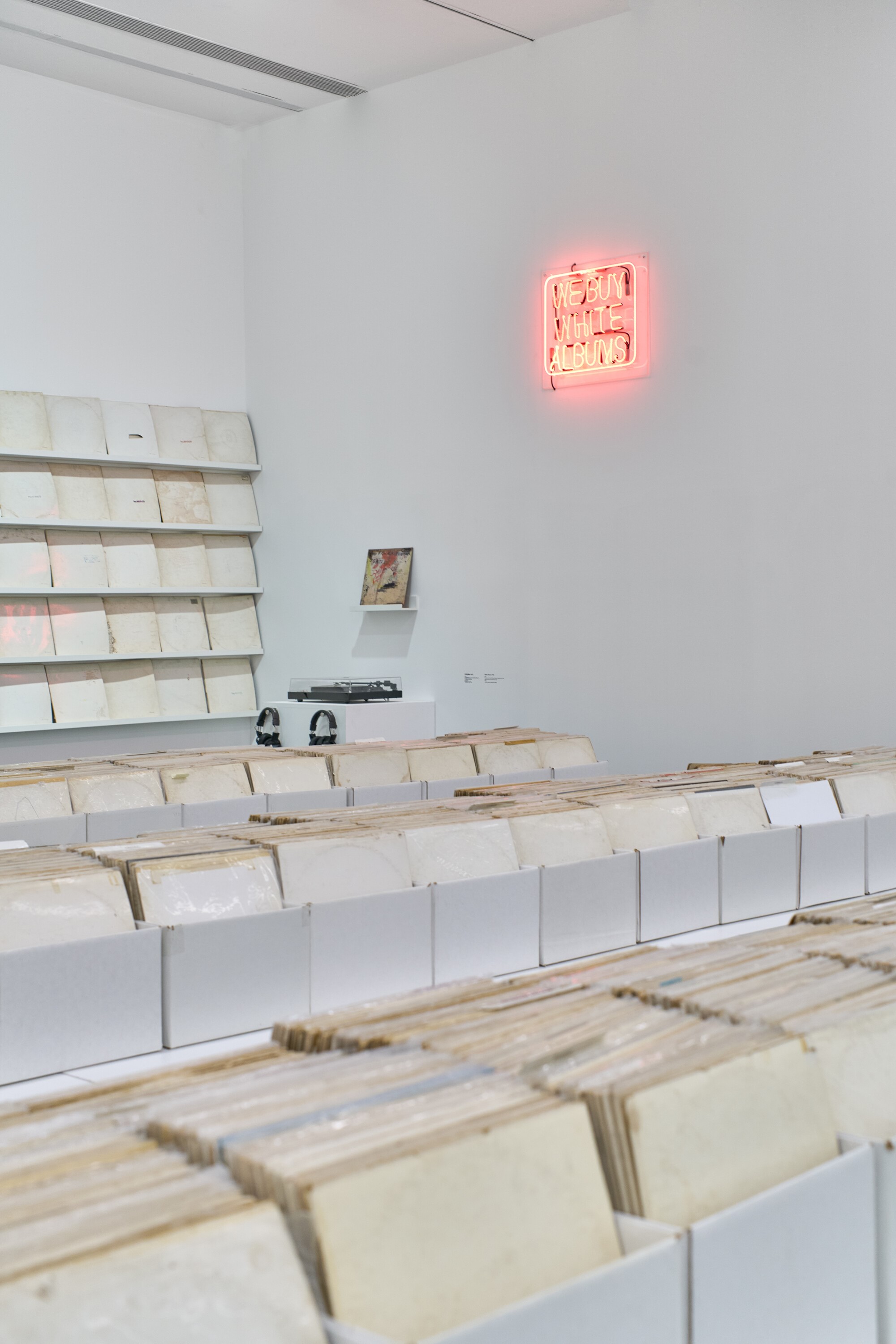
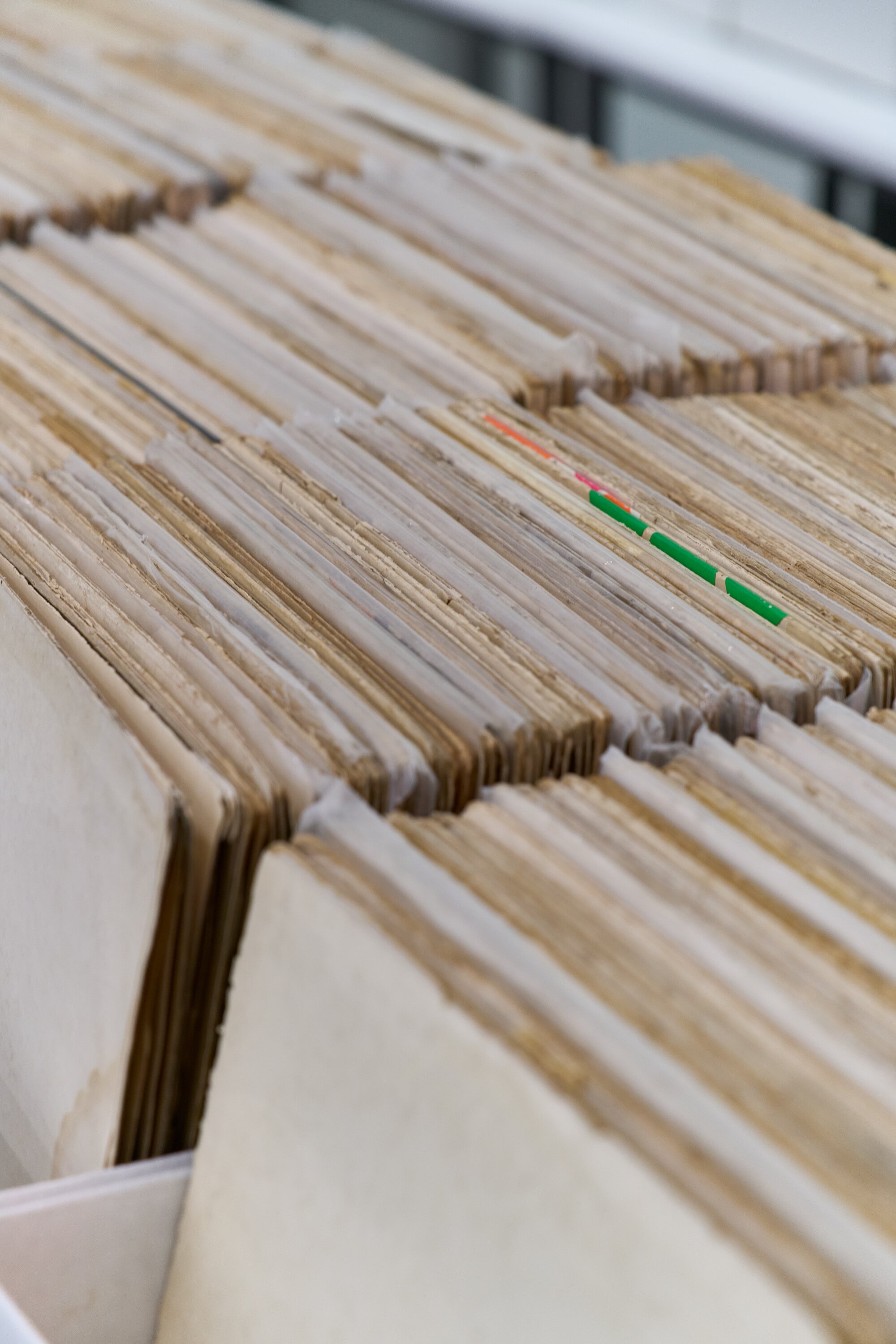
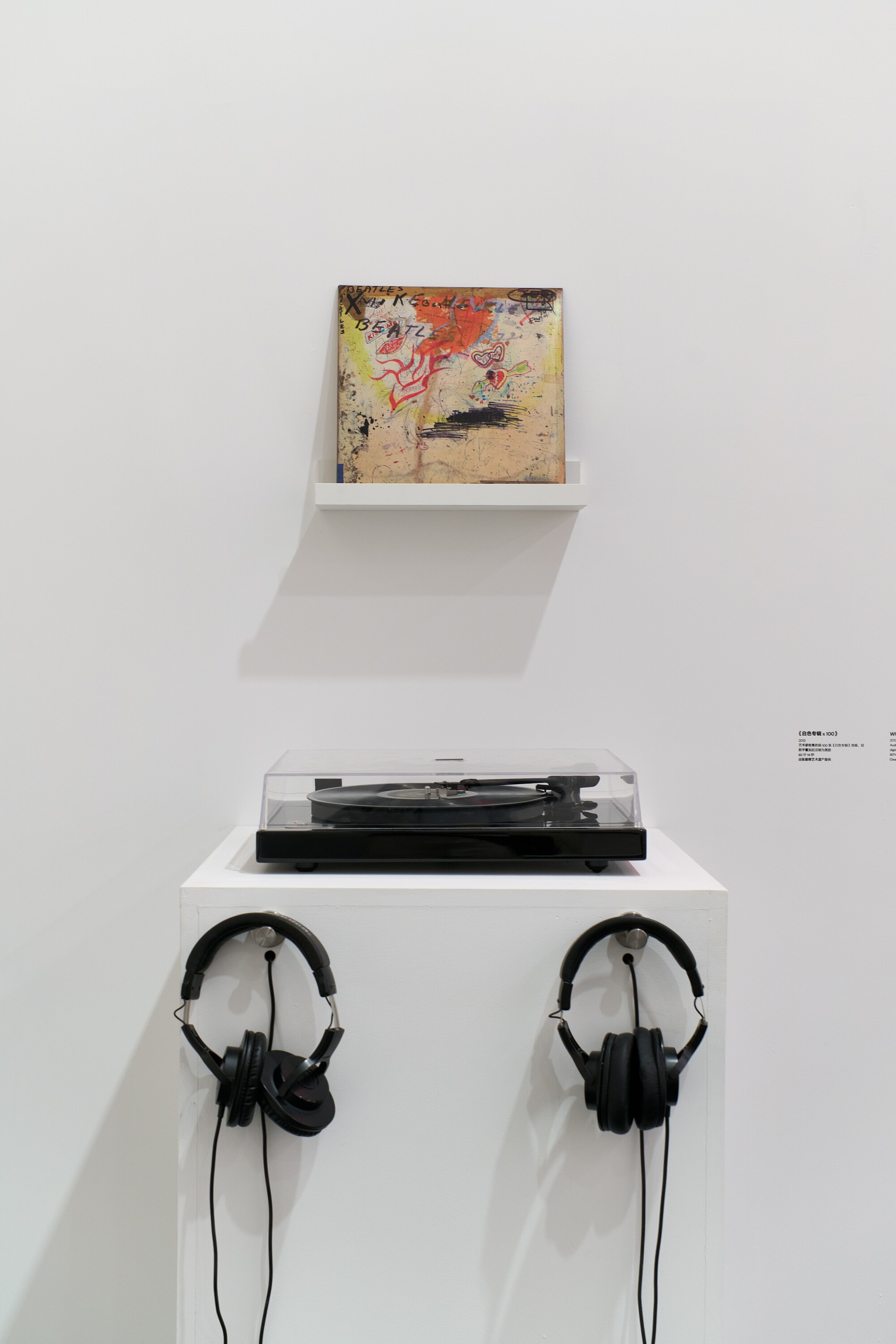
One of the exhibition’s central works, We Buy White Albums (2006-2025), unfolds as an archive that at first glance resembles a record store, yet one in which nothing is for sale. The installation comprises exclusively copies of The Beatles’ self-titled 1968 album, commonly known as The White Album, whose nearly blank cover, designed by Richard Hamilton in collaboration with Paul McCartney, introduced a minimalist aesthetic into popular culture. Chang bought his first copy of the album at age fifteen and, from 2006 onward, systematically sought out first-edition pressings, organizing the archive via its stamped serial number, and later presenting the growing archive for the first time in 2013 at the storefront space of New York arts organization Recess. Displayed for visitors to flip through and listen, these albums, bearing annotations, and stains and other signs of wear, “disrupt” the once-pristine monochrome surface with a social history through doodles, notes, and traces of everyday life. The work also includes a sound component composed by layering recordings from the first 100 copies Chang collected and pressing the result onto vinyl, where scratches, surface noise, and subtle temporal shifts gradually dissolve the music into dense sonic textures, foregrounding both the materiality of the medium and the experimental currents embedded within the original album.
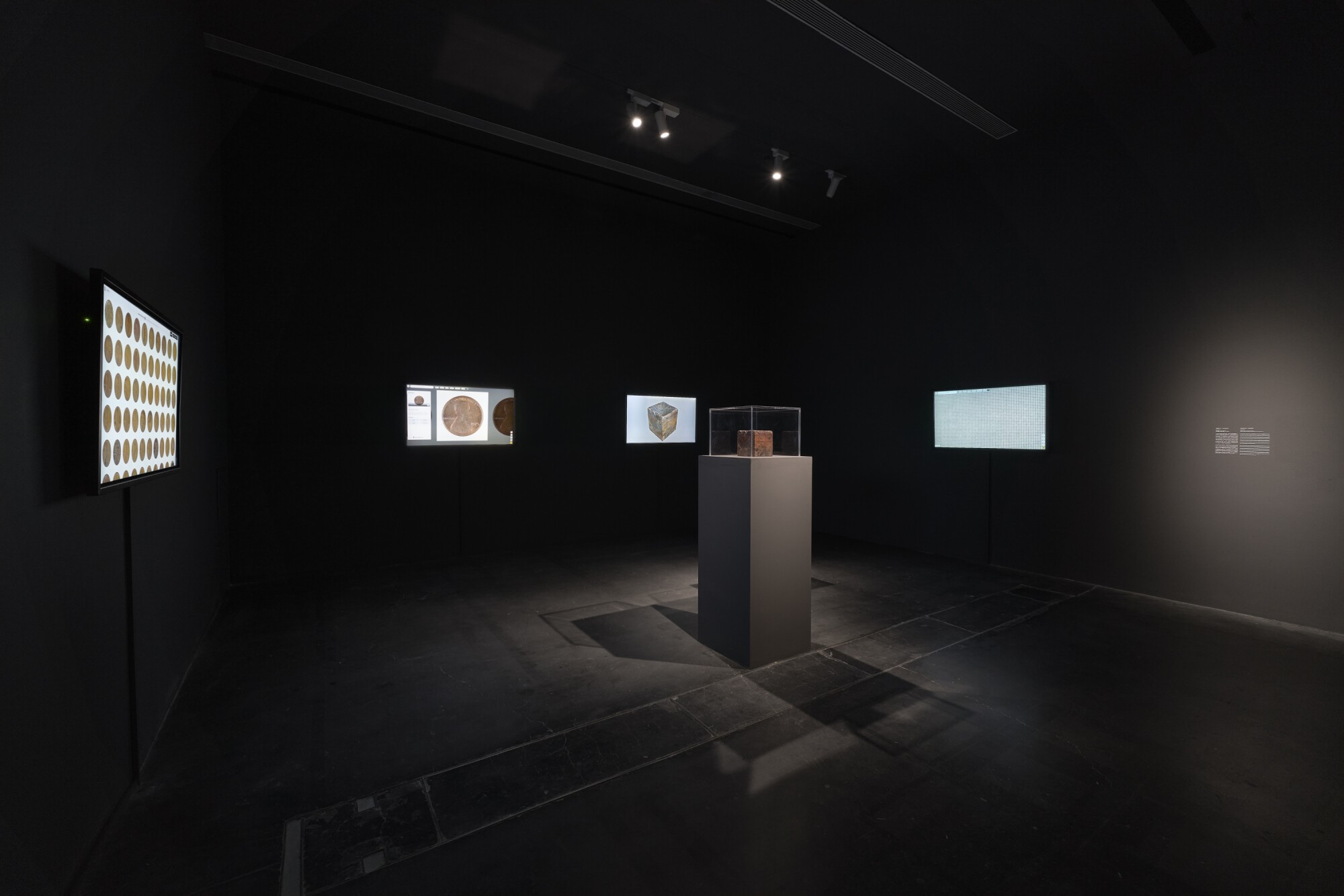
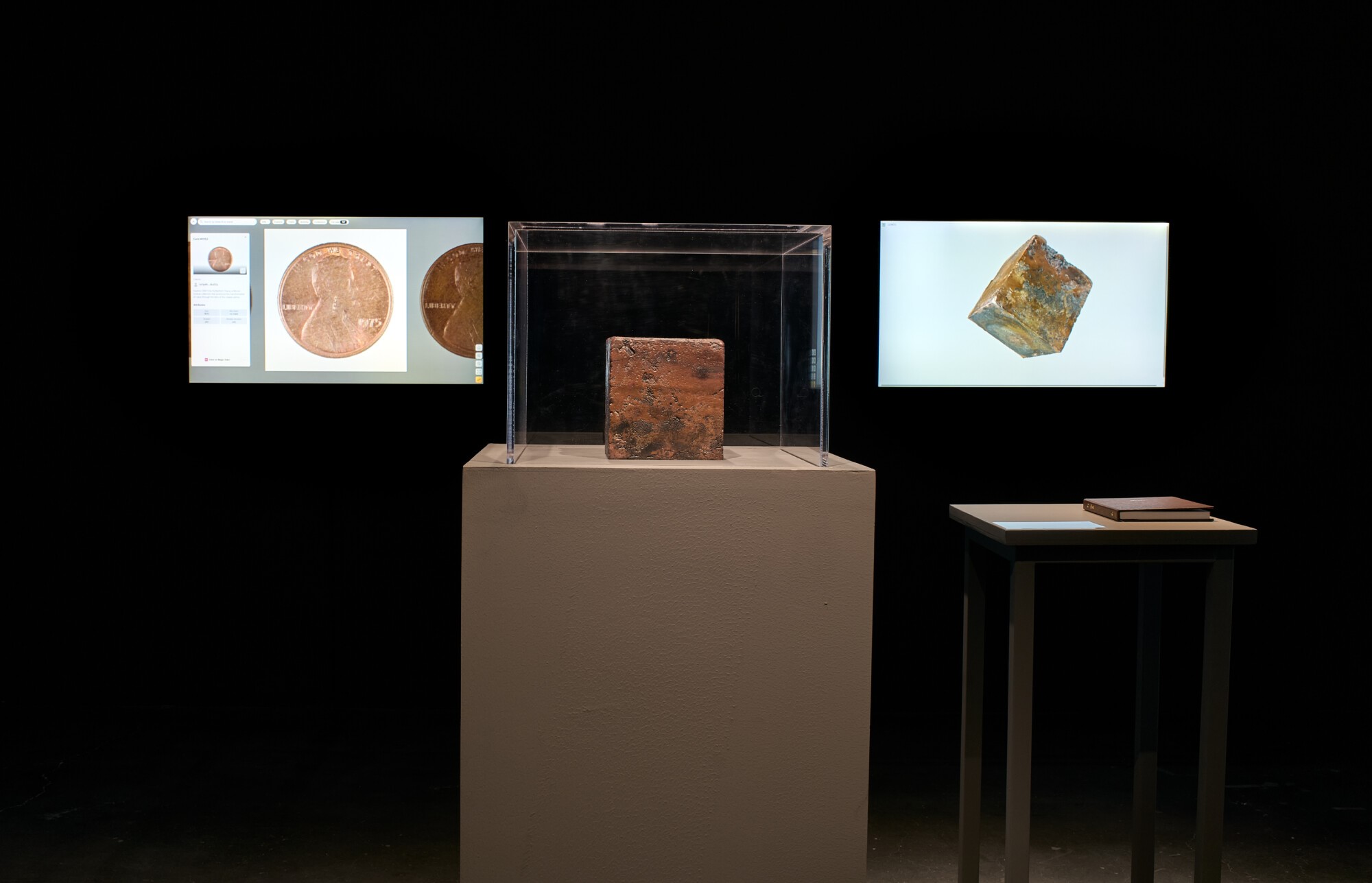
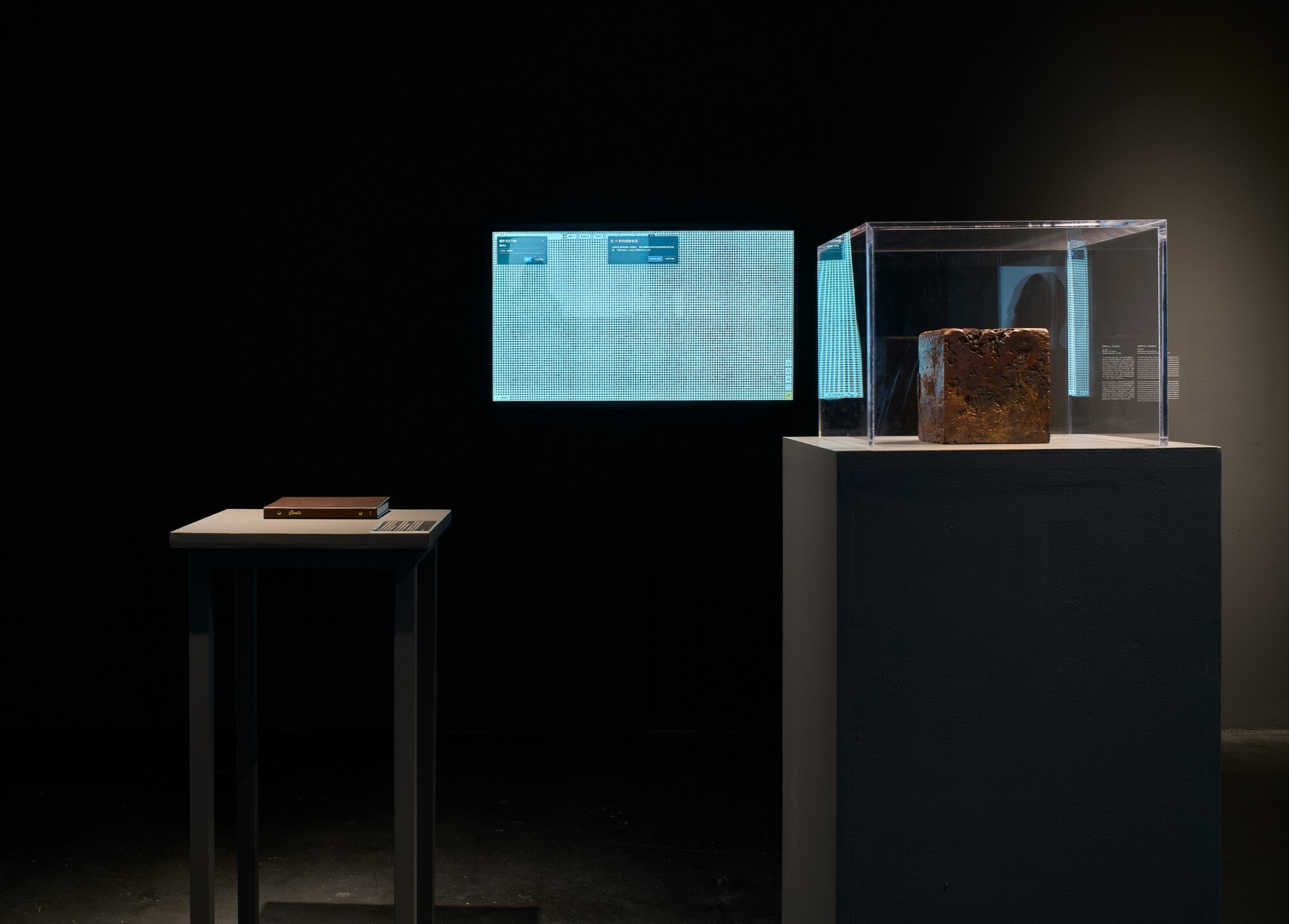
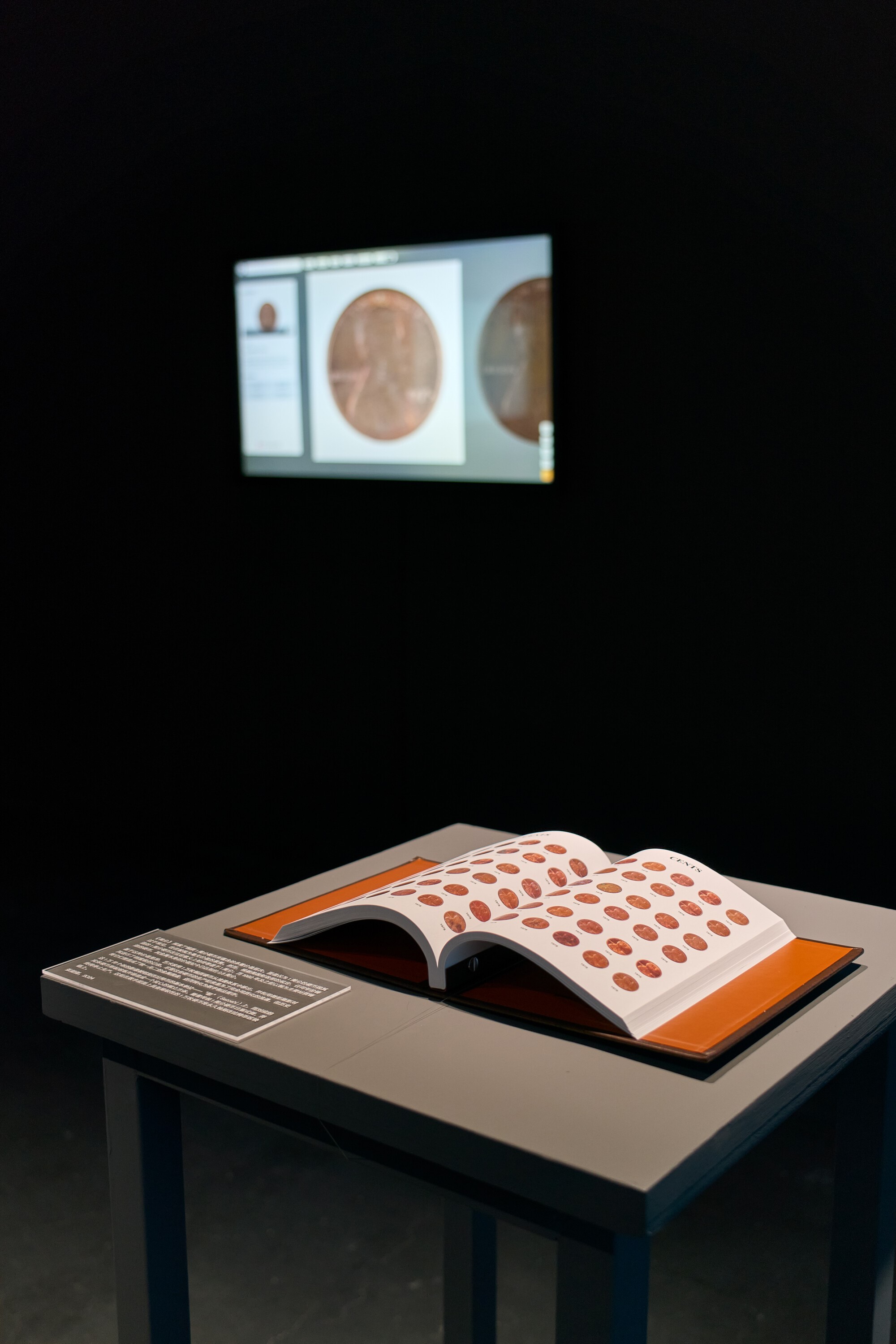
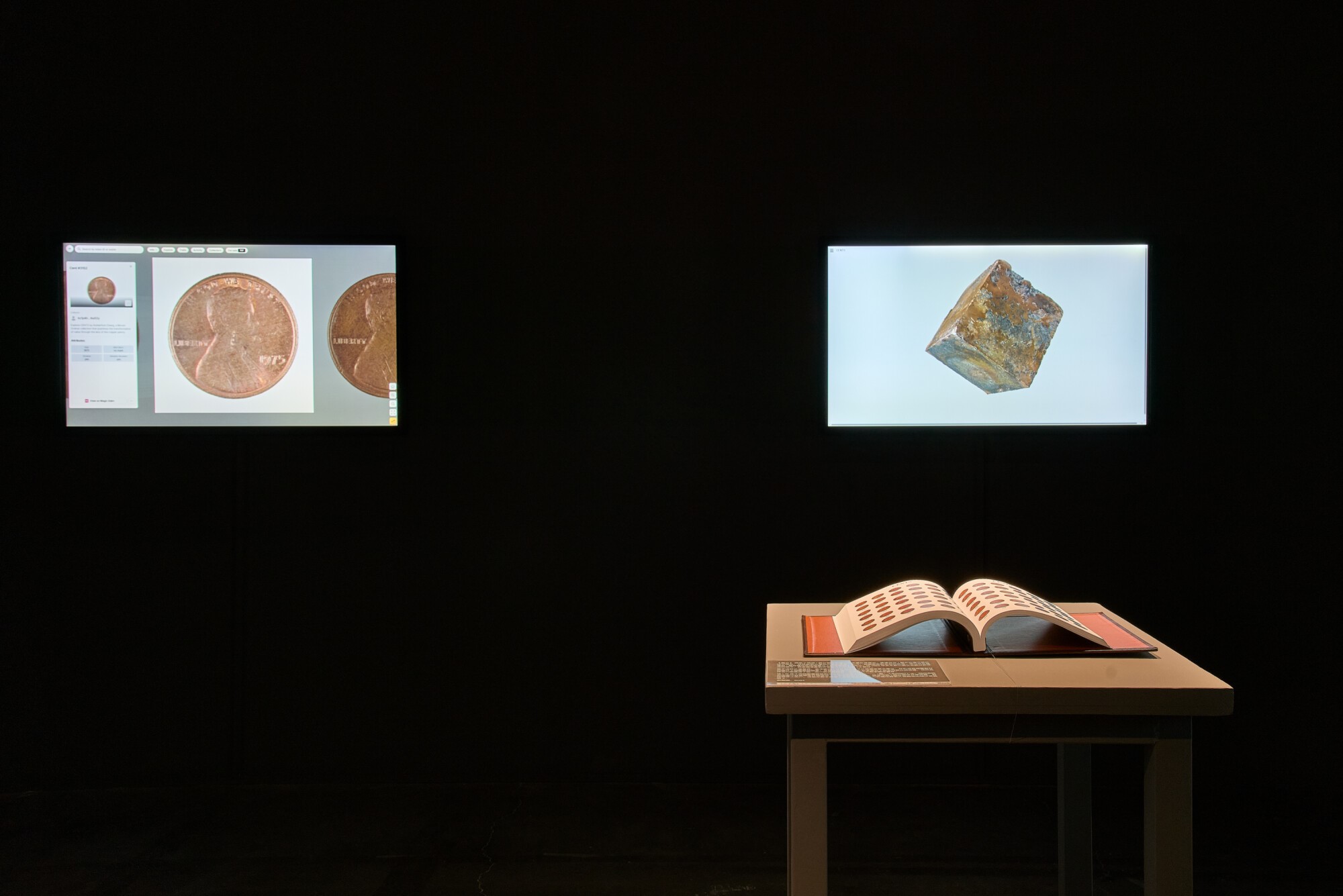
Echoing We Buy White Albums in its use of mass-produced, ostensibly identical objects, CENTS (2017-2024) is made of 10,000 American pennies minted before 1982, valued for their copper content. Chang photographed each coin to record its unique wear and patina, then transformed the collection into a 31-kilogram copper cube. The images of the original coins were also digitally inscribed on the Bitcoin blockchain, linking digital renderings of physical currency to virtual systems of value, a conceptual gesture that reflects on time, permanence, and the evolving methods of assigning material value. Visitors can explore the collection on touchscreens or in a book, observing how decades of circulation have left subtle abrasions and discoloration. As physical pennies fall out of use—the U.S. Mint permanently suspended their production in November 2025—the dense copper block asserts a tangible sense of value, offering a multimedia monument to the coin and an economy in transition.
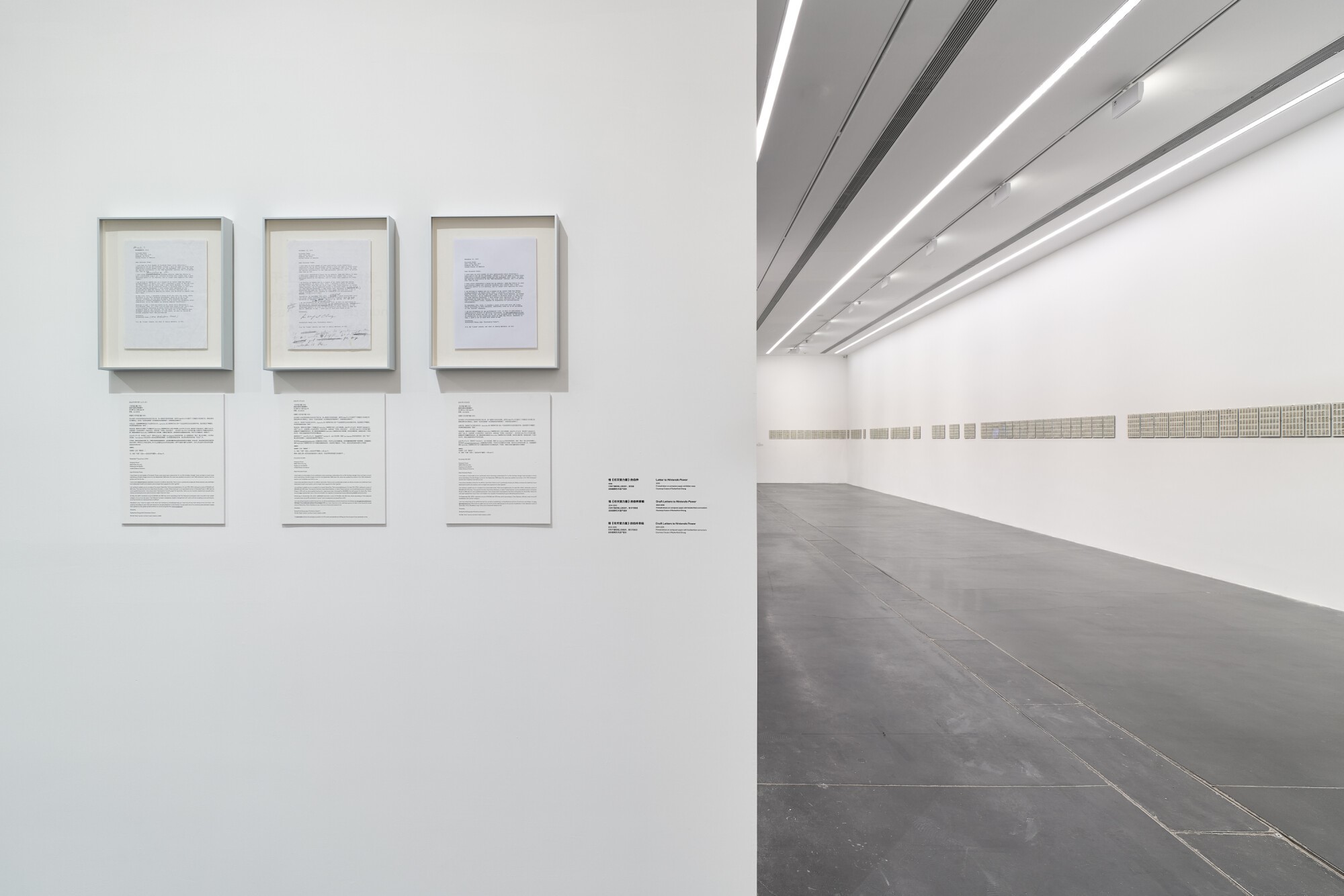
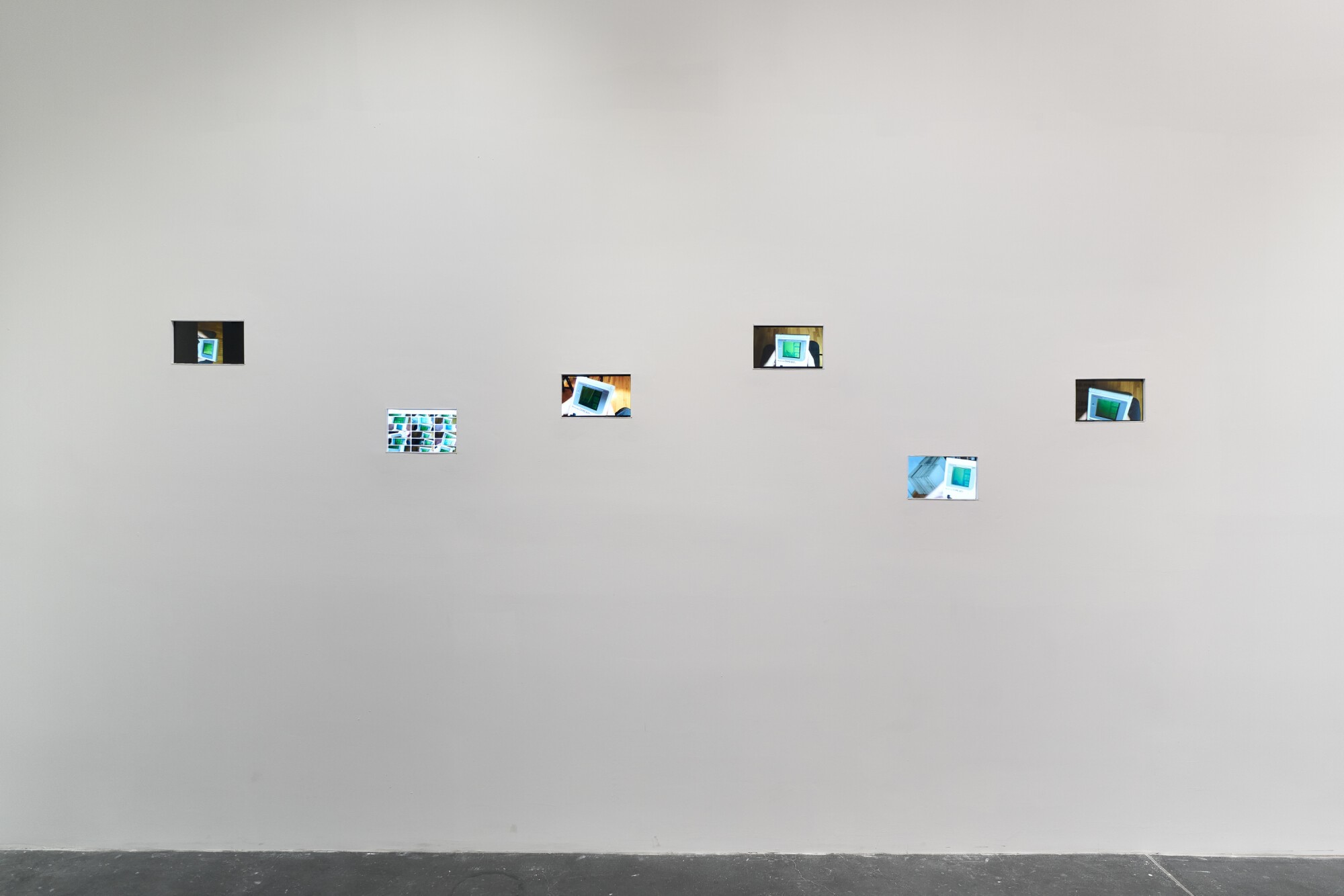
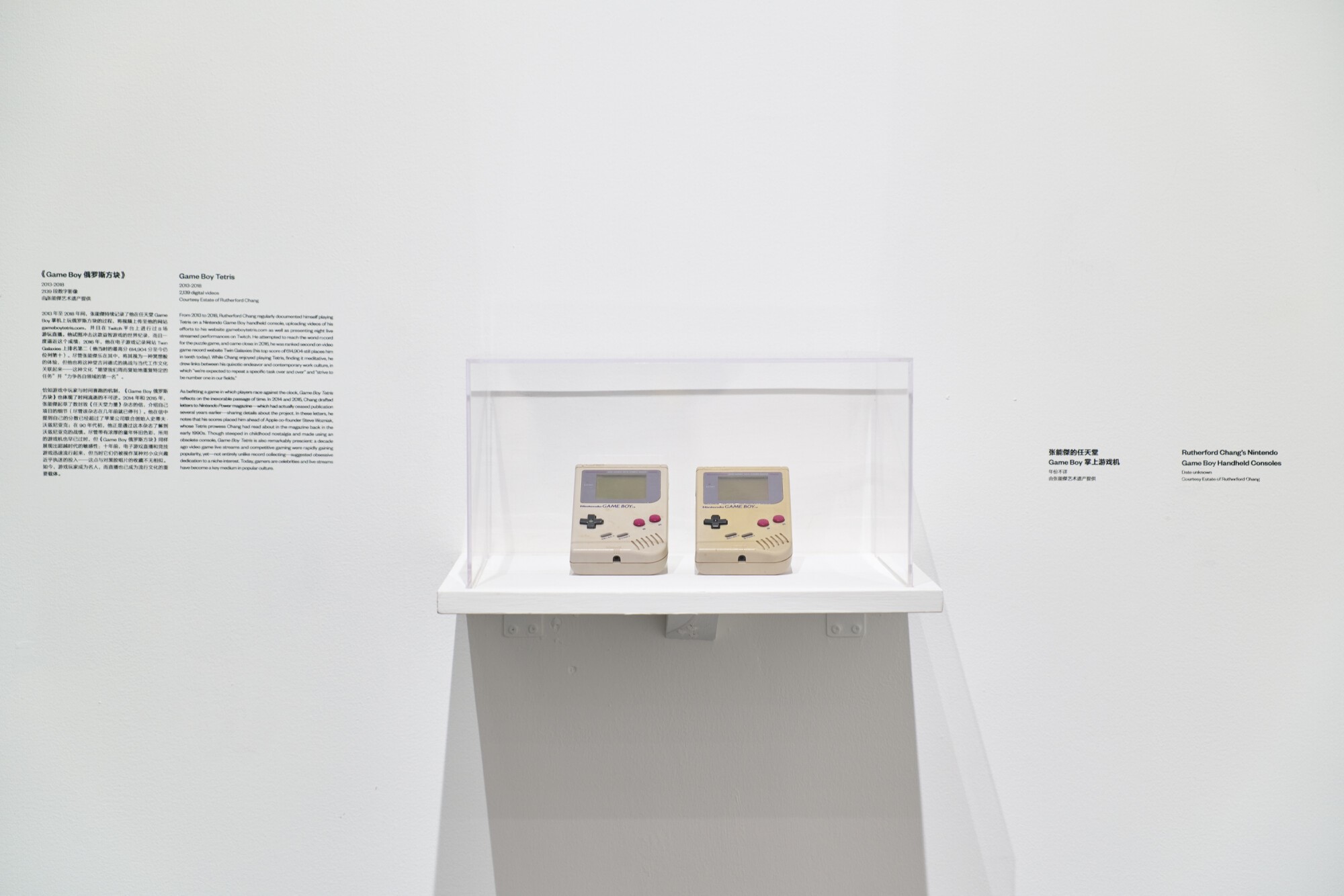
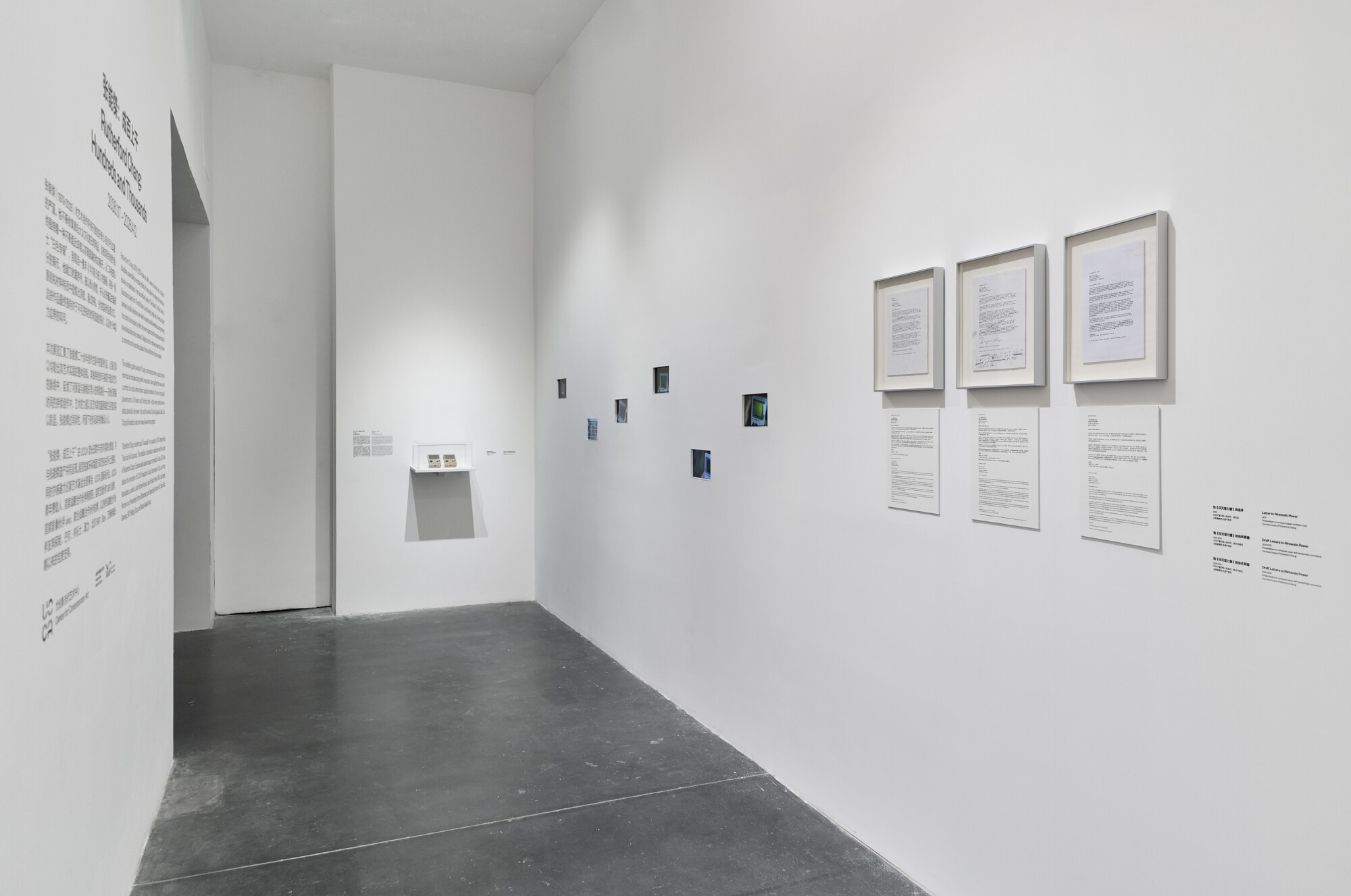
Another significant work in the exhibition, Game Boy Tetris (2013-2018) is a performative project comprising more than 2,000 recordings of Tetris gameplay, exhibited alongside letters Chang wrote to Nintendo Power magazine and the handheld consoles he used. Created between 2013 and 2018, the work traces the artist’s durational investigation of labor through repetition, endurance, and self-imposed systems of measurement. Chang filmed himself playing Tetris on Nintendo Game Boy consoles, which are also presented in the installation, uploading the videos to his website gameboytetris.com (to allow audiences to search the games by score), and further presented eight live-streamed performances on Twitch. While approached as a meditative practice, the project was also framed by a deliberately quixotic attempt to approach the world record for Tetris. In 2016, he briefly ranked second on the video game record website Twin Galaxies, achieving a top score of 614,904 that remains the tenth highest recorded today.
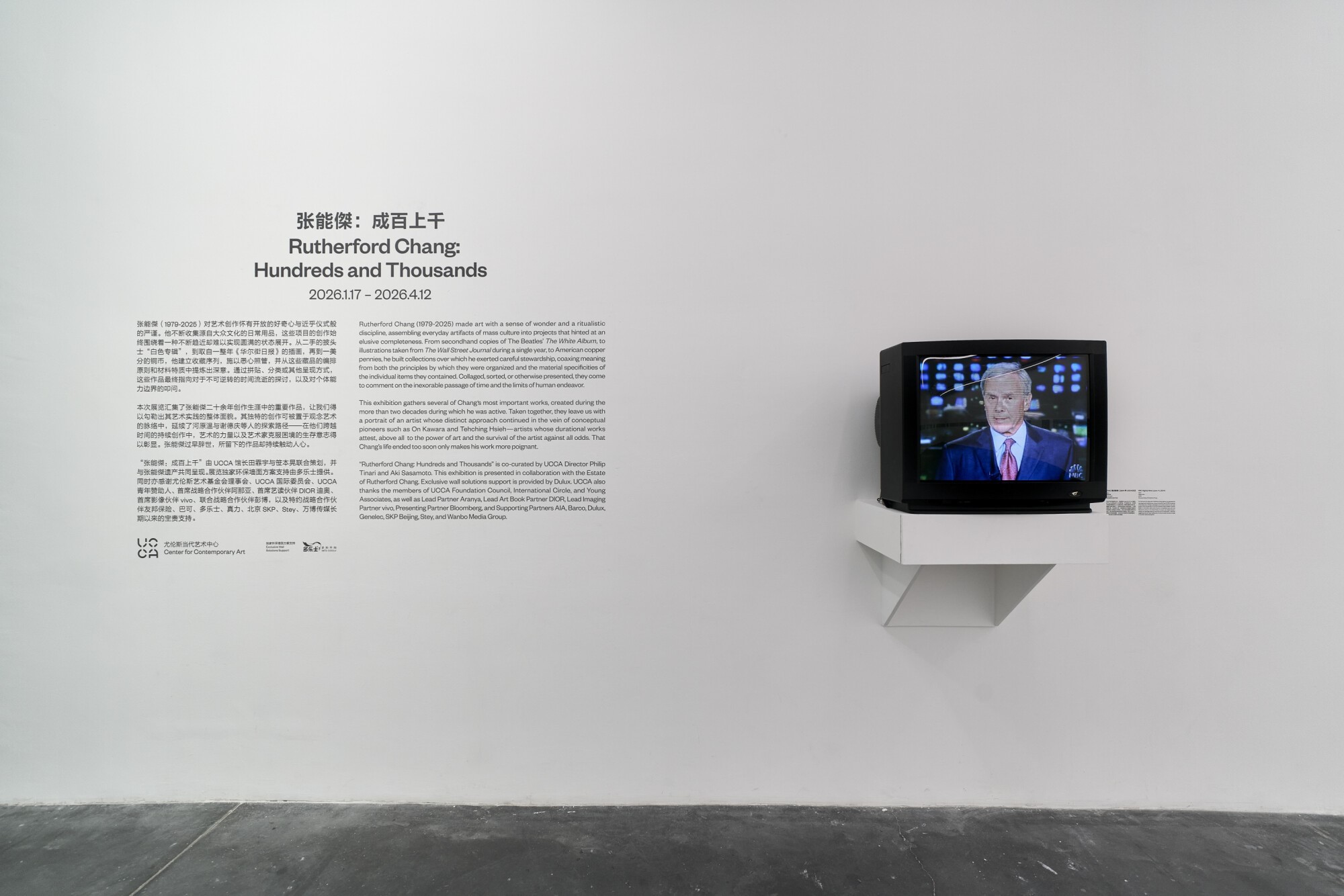
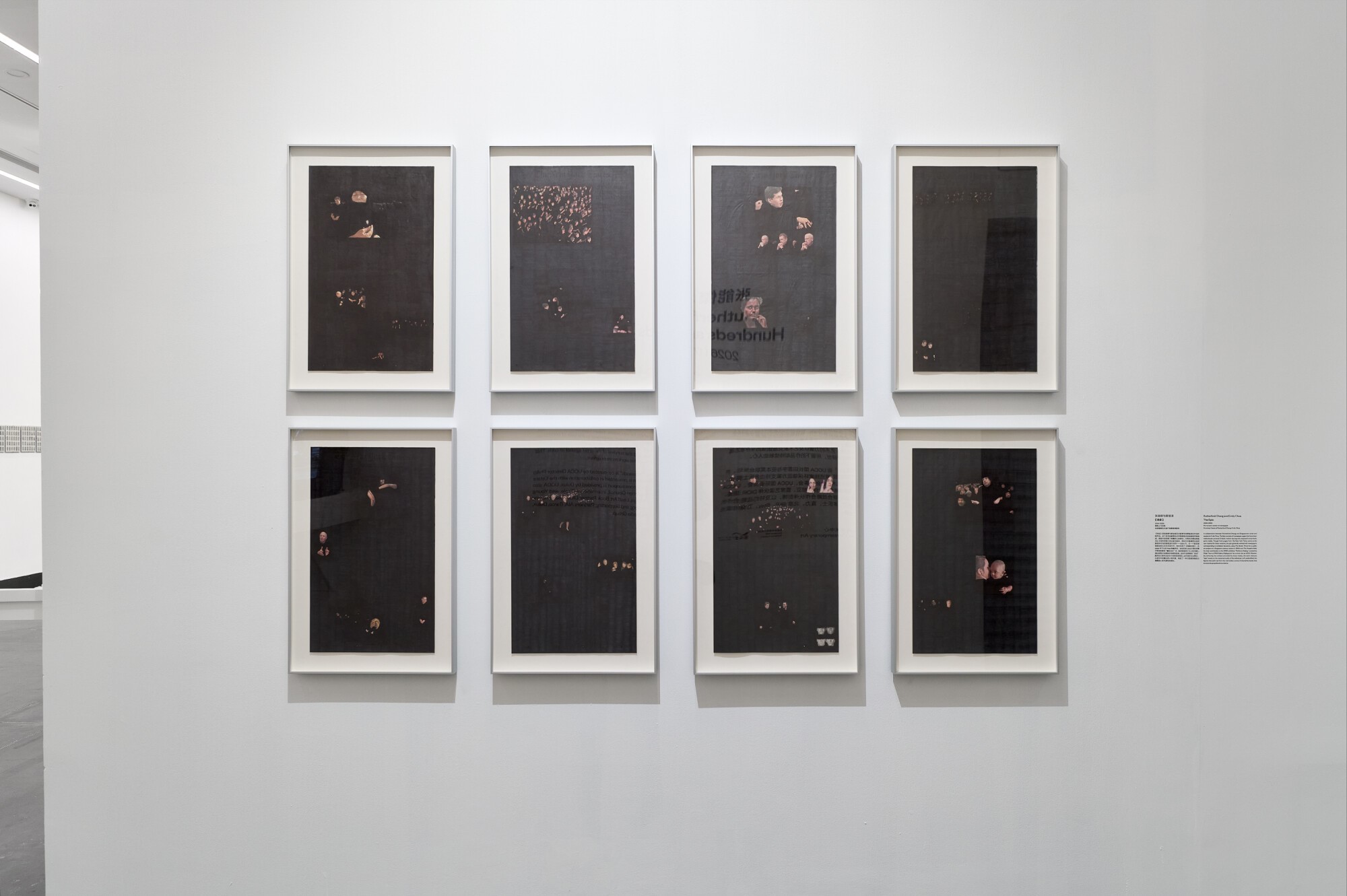
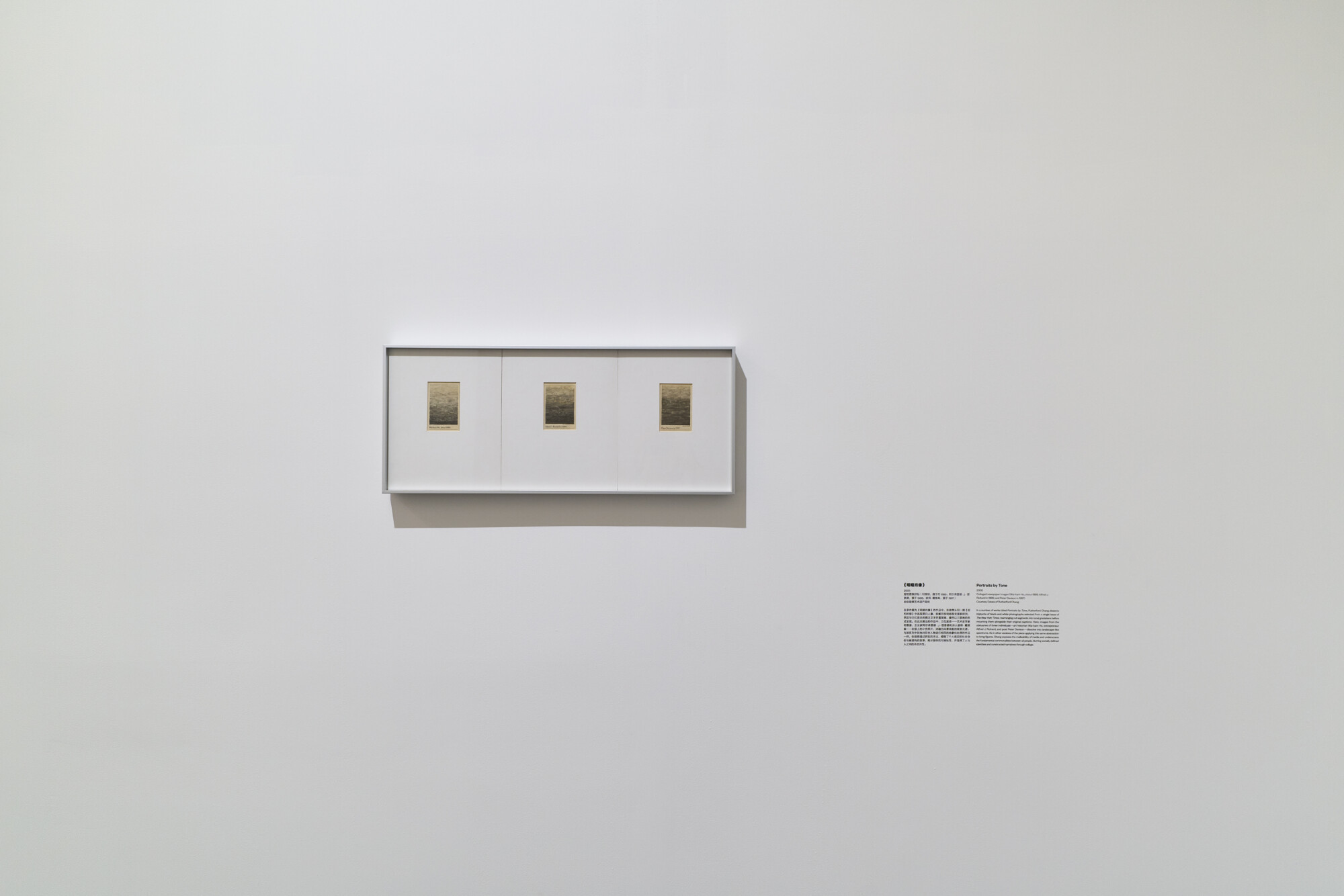
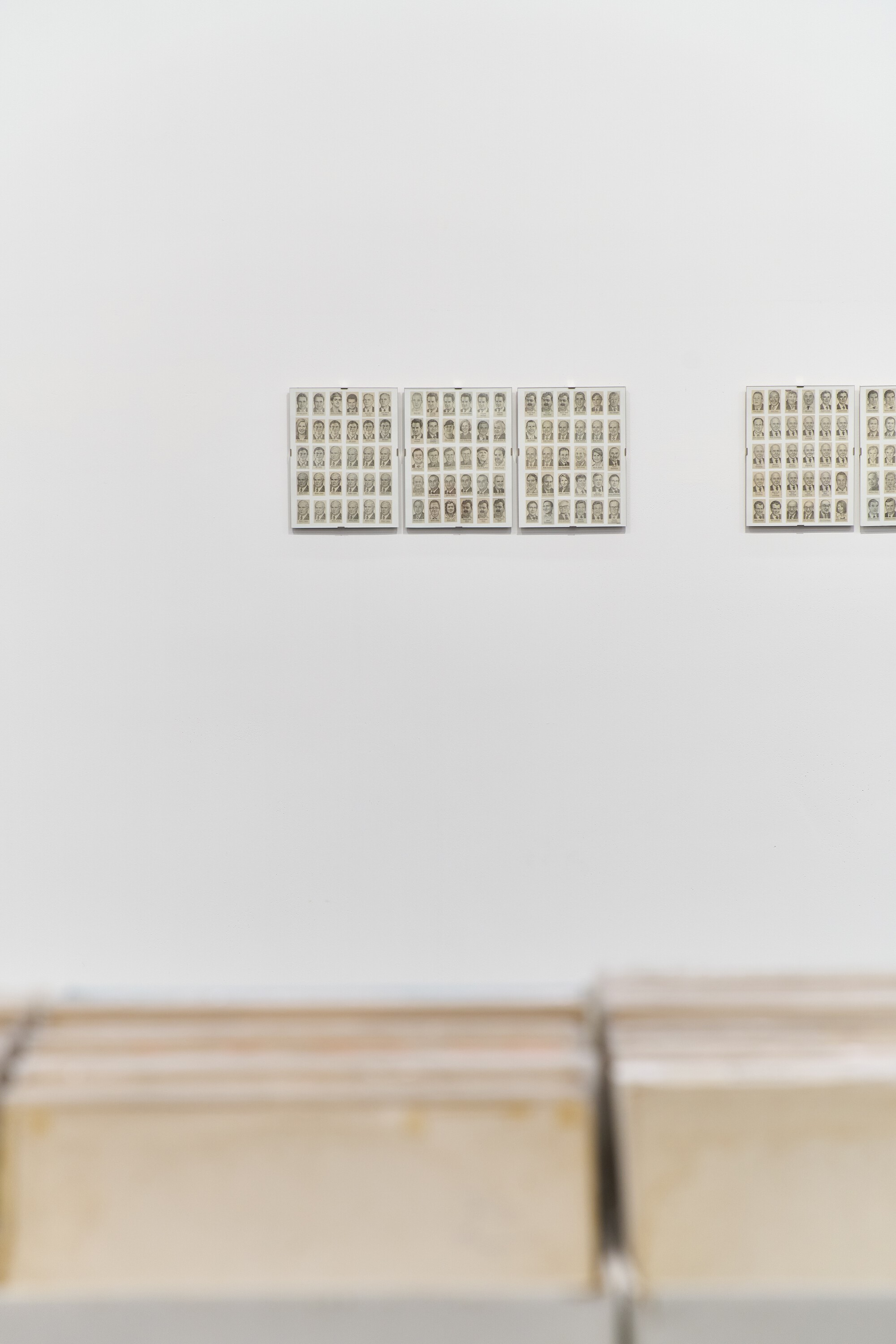
“Rutherford Chang: Hundreds and Thousands” surveys the artist’s career of meticulously exploring narratives with repetition and accumulation. With a characteristic rigor and subtle wit, Chang transforms everyday objects, media, and experiences into layered sites of reflection, allowing personal histories, cultural memory, and mass-produced objects to be observed, reconsidered, and reinterpreted. Alongside We Buy White Albums, CENTS, and Game Boy Tetris, the exhibition presents additional works–Class of 2008 (2008 – 2012), NBC Nightly News (2004), The Epic (2004 – 2005), and Portraits by Tone (2005)–that further expand these themes, offering visitors insight into Chang’s creatively tender practice of discovering and highlighting the systems quietly shaping ordinary elements in life. His approach resonates with a lineage of conceptual artists such as On Kawara and Tehching Hsieh, whose durational works foreground time, labor, and the resolute presence of the artist as both medium and measure. Seen in this light, Chang’s meticulous accumulations and long-term commitments attest to the resilience of art-making itself. That his life was cut short lends these works an added poignancy, sharpening their reflections on time, fragility, and the lasting imprint of sustained artistic devotion.
About the Artist
Rutherford Chang (1979-2025) was a New York–based conceptual artist. He received his B.A. in Psychology from Wesleyan University in 2002. Chang’s major solo exhibitions include: “We Buy White Albums” (Lawrence Arts Center, Lawrence, 2023; Verge Center for the Arts, Sacramento, 2017; Tokyo Wonder Site Hongo, Tokyo, 2015; FACT, Liverpool, 2014); “Game Boy Tetris” (Galeria SKALA, Poznań, 2018; The Container, Tokyo, 2016). His work has been exhibited in group exhibitions internationally at institutions, such as: “Memory Palace in Ruins” (Taiwan Contemporary Culture Lab, Taipei, 2023); “I am Here: Home Movies and Everyday Masterpieces” (Art Gallery of Ontario, Toronto, 2022); “NOTHINGTOSEENESS- Void/White/Silence” (Akademie der Künste, Berlin, 2021); “Black Album/White Cube” (Kunsthal Rotterdam, Rotterdam, 2020); “Hyper! A Journey into Art and Music” (Deichtorhallen, Hamburg, 2019); “Spin: Turning Records Into Art” (KMAC Museum, Louisville, 2018); “Real Live Online” (Rhizome & The New Museum, New York, 2016); “Coloring” (Atlanta Contemporary Art Center, Atlanta, 2014); “Do a Book” (White Space, Beijing, 2012); “Fast Futures: Asian Video Art” (Queens Museum of Art, New York, 2006); “Insomnia” (Institute of Contemporary Arts, London, 2005); “SENI” (Singapore Art Museum, Singapore, 2004); “Butternut Ink” (Asian American Arts Center, New York, 2004); “AIM 23” (The Bronx Museum of the Arts, New York, 2003); “Global Priority” (Jamaica Center for Arts & Learning, New York, 2002).
Public Programs
In conjunction with the exhibition, UCCA presents a series of public programs that aim to open up multiple perspectives for understanding and experiencing the artistic practice of Rutherford Chang. On the exhibition’s opening day to the public, the two exhibition curators, UCCA Director Philip Tinari and artist Aki Sasamoto, will engage in a conversation with Danielle Chang, who established the Estate of Rutherford Chang in 2025, discussing artistic practices and critical reflections under the theme “Hundreds and Thousands.” Following the talk, the curators will lead audiences through the exhibition hall, offering insight into the exhibition’s conceptual framework and the ideas embedded within the works.
Rutherford Chang’s practice is grounded in archival methodologies. Through a systematic act of collecting, cataloguing and archiving, he imbues objects with layered historical and cultural significance. In works such as We Buy White Albums, each object carries both specific material history as well as traces of personal memory. This archival approach also extends into the artist’s daily life. During the exhibition period, UCCA will present an archiving workshop designed to help participants understand Chang’s sustained exploration of the dynamic relationship between people and objects, while guiding them in establishing their own systems of everyday archiving and memory practice.
Additionally, the academic conversation will take place during the exhibition period. Centered on Chang’s artistic practice, the conversation will unfold along key threads including the materiality of media, noise and displacement in processes of reproduction, and strategies of recontextualization. Through these perspectives, the panel will examine how Chang’s works reflect the paradoxes of an era defined by mass production, and how they, in turn, give rise to new pathways for cultural narratives. For further information and scheduling updates, please follow UCCA’s official social media.
Support and Sponsorship
This exhibition is presented in collaboration with the Estate of Rutherford Chang. Exclusive wall solutions support is provided by Dulux. UCCA also thanks the members of UCCA Foundation Council, International Circle, and Young Associates, as well as Lead Partner Aranya, Lead Art Book Partner DIOR, Lead Imaging Partner vivo, Presenting Partner Bloomberg, and Supporting Partners AIA, Barco, Dulux, Genelec, SKP Beijing, Stey, and Wanbo Media Group.
UCCA Beijing
Open Today, 10:00-19:00 (Final entry: 18:30)
798, No. 4 Jiuxianqiao Lu, Beijing
Tel: +86 10 5780 0200
Fax: +86 10 5780 0200
UCCA Dune
Closed Today, 9:30-18:00
Aranya Gold Coast, Beidaihe
Tel: +86 335 7522 652
UCCA Clay
Open Today, 9:00-18:00 (Final entry: 17:30)
West Entrance, Creative & Cultural Ceramic Avenue, Dingshu Town, Yixing City, Wuxi City, Jiangsu Province
Tel: +86 0510 8767 9989