UCCA Beijing Open Today, 10:00-19:00 (Final entry: 18:30)
UCCA Dune Closed Today,
UCCA Clay Closed Today,
UCCA Beijing
Carsten Höller: Two
2026.7.14 - 2027.1.31
About
UCCA Center for Contemporary Art presents “Carsten Höller: Two,” from July 14, 2026, to January 31, 2027. Featuring some of the artist’s most iconic works alongside a selection of new pieces, the exhibition unfolds as a “Laboratory of Doubt,” exploring themes of repetition, play, time, dreams, and collective experience. Through participatory installations and “influential environments” that challenge our understanding of reality, Höller invites visitors to embrace uncertainty and encounter the world, themselves, and others in unexpected ways.
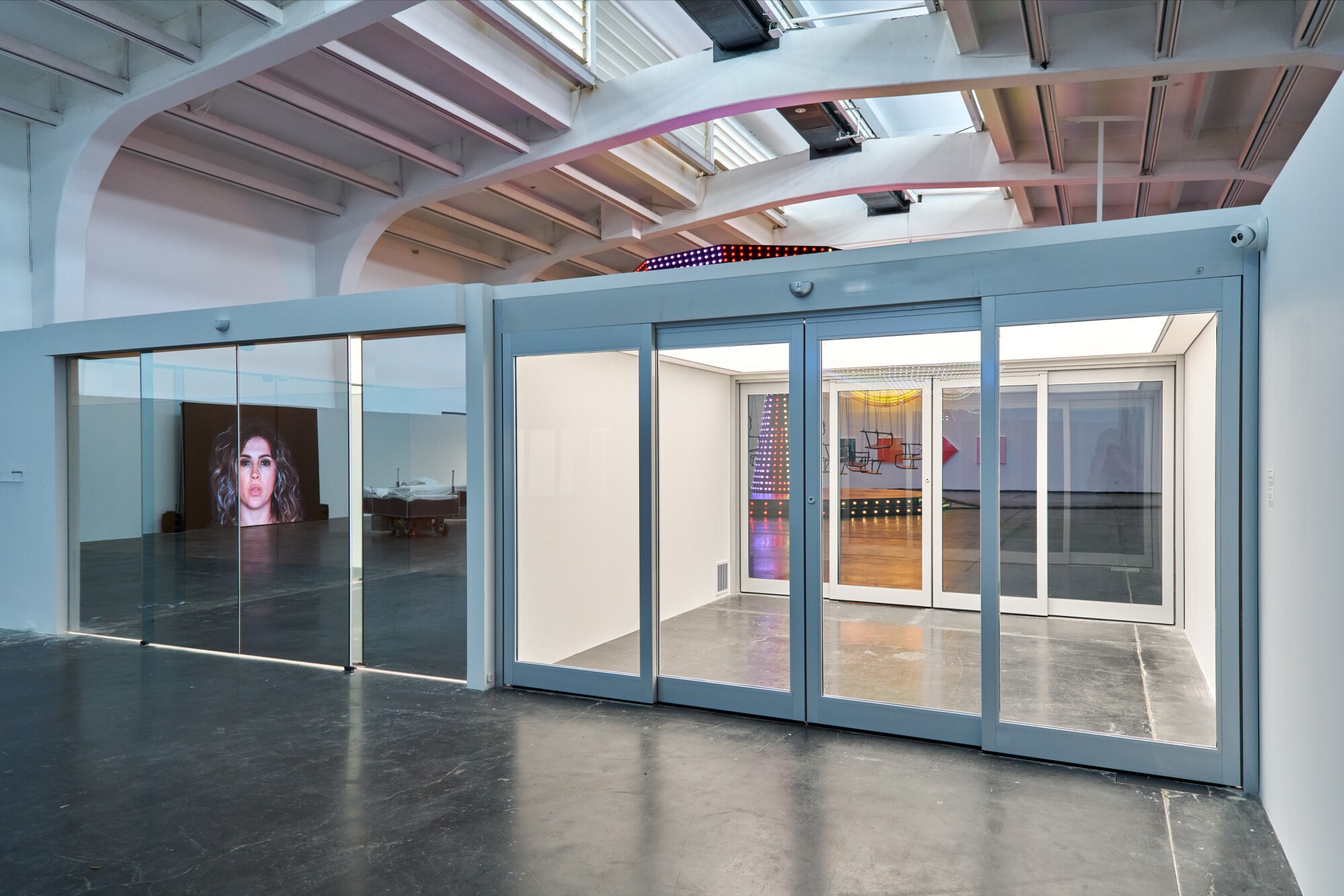
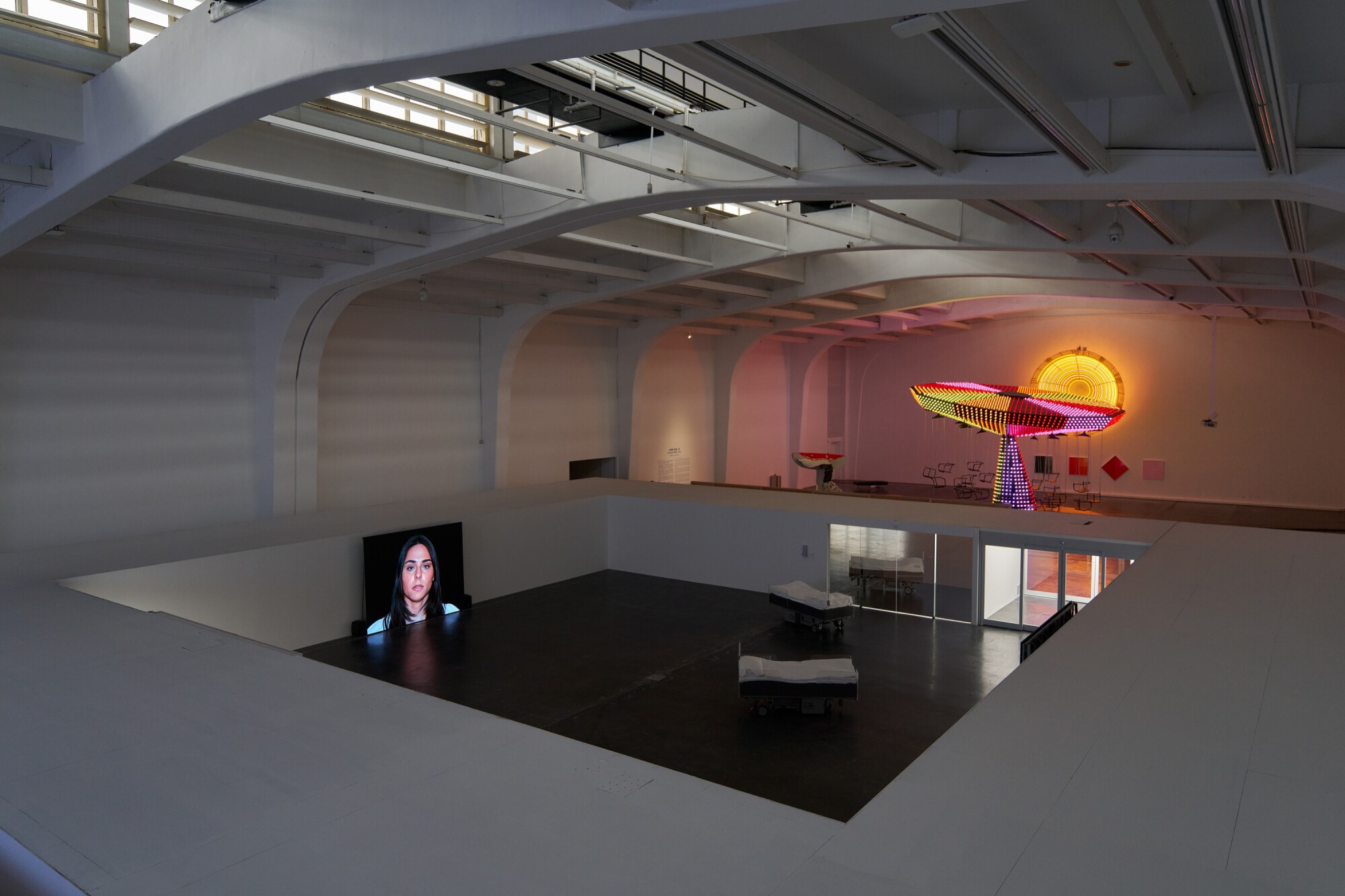
From July 14, 2026, to January 31, 2027, UCCA Center for Contemporary Art presents “Carsten Höller: Two,” the artist’s (b. 1961, Belgium) first institutional solo exhibition in China. Bringing together a selection of Höller's landmark installations—some of which are presented in new forms specifically made for UCCA Beijing—and new artworks, “Two” is both a display of single objects and films as well as an artwork as a whole. The exhibition is accessible through two entrances, and visitors are randomly assigned an entrance upon arrival. After this initial divergence, they encounter parallel versions of the same environment—one in color, one in black-and-white—where specific conditions unfold in corresponding yet contrasting ways. Throughout the exhibition, visitors are confronted with doubles and parallel possibilities that invite them to reconsider what might otherwise be seen as a certainty, giving space to perplexity and doubt. This exhibition is curated by Philip Tinari with UCCA Assistant Curator Jiashu Zou.
Trained as an agricultural scientist before turning to art in the early 1990s, Höller has long been fascinated by the figure of the double: the identical yet distinct other that destabilizes distinctions between similarity and difference, contingency and choice. Employing experimentation as both a method and a subject, he brings viewers into his works as active participants, resulting in experiences that are at once playful, disorienting, and reflective. Across more than three decades of artistic practice, Höller has consistently explored the productive potential of doubt, celebrating uncertainty as a catalyst for imagination and discovery. The exhibition “Two” is what the artist calls a “Laboratory of Doubt.”
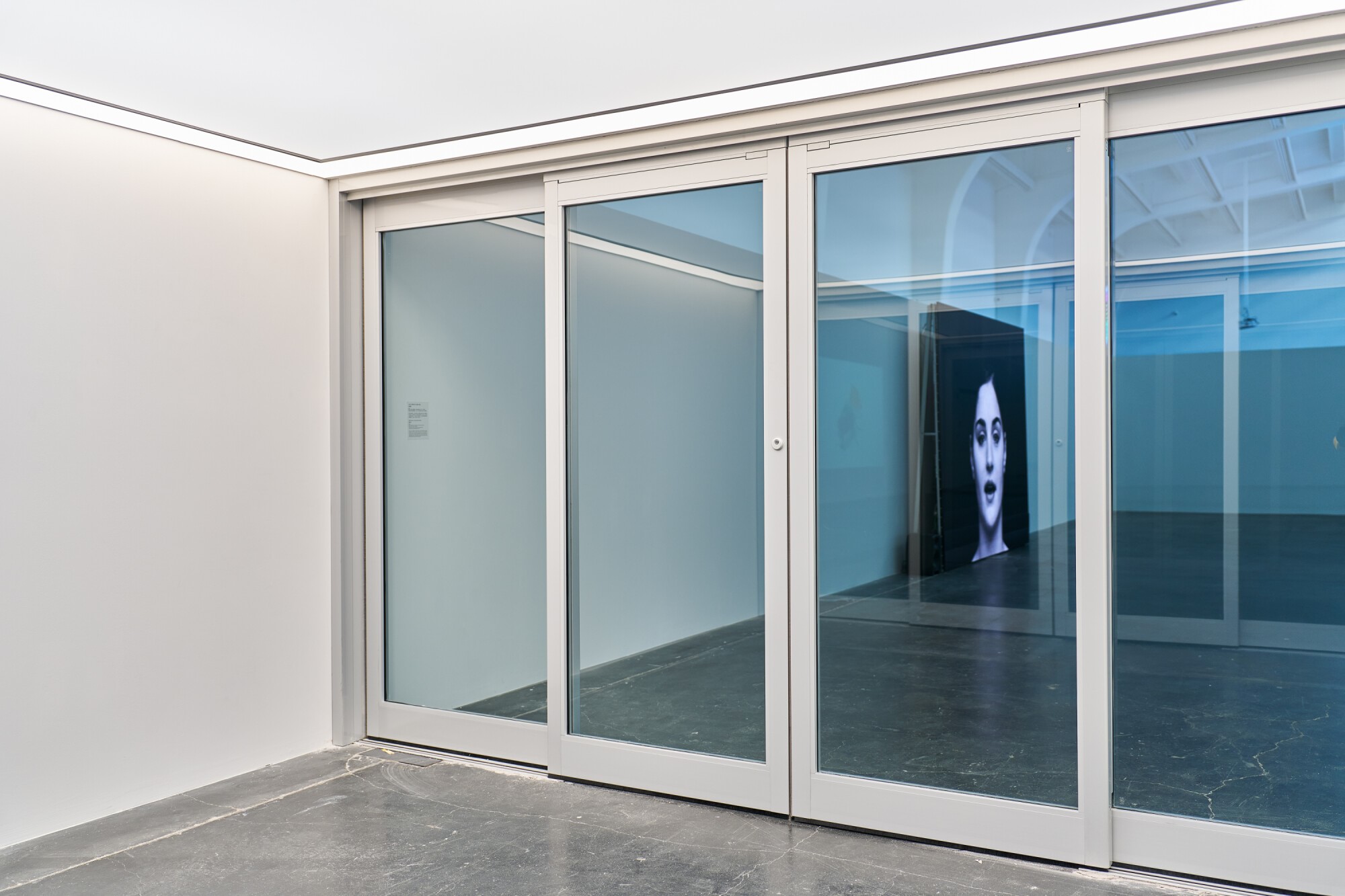
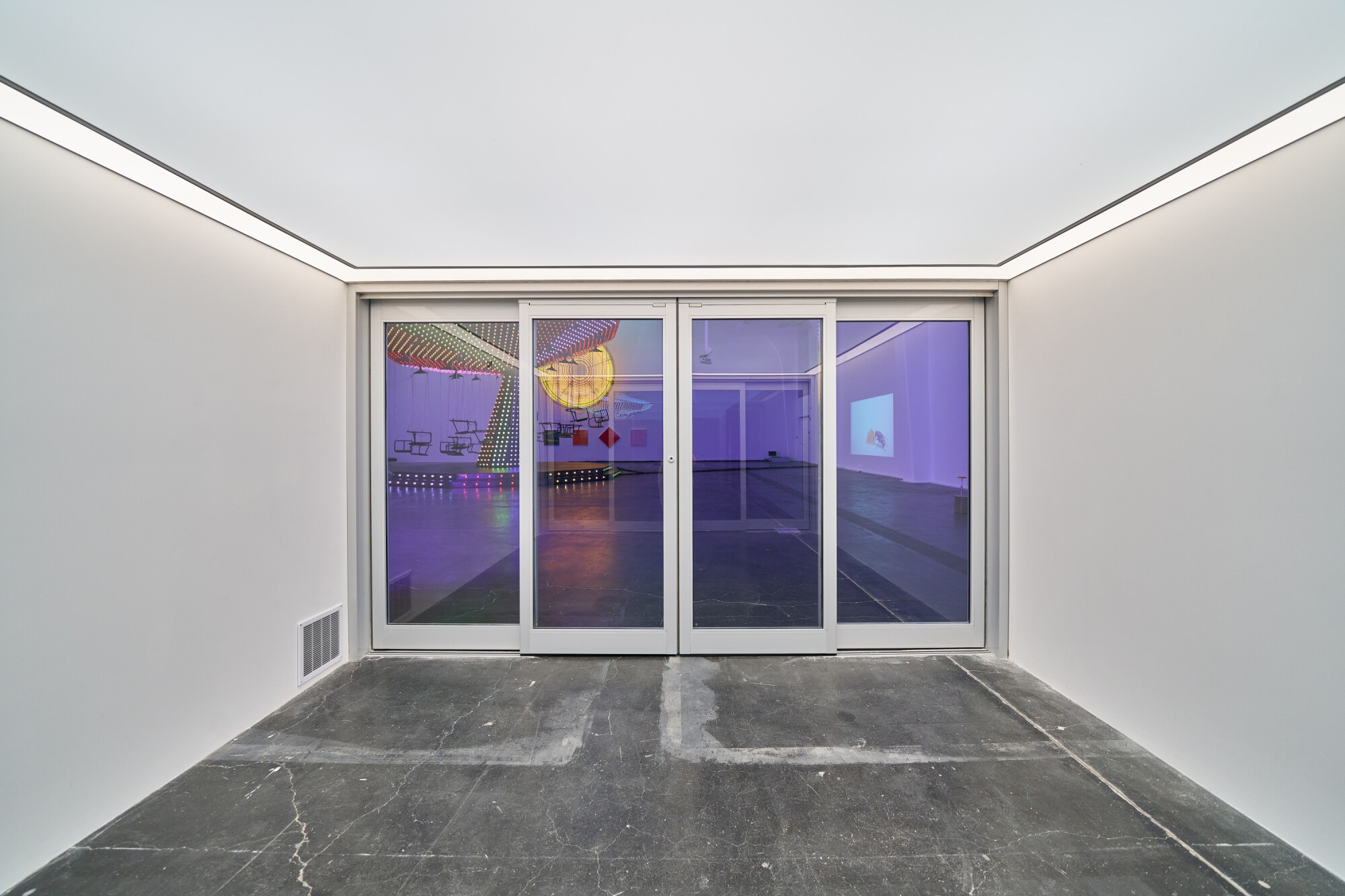
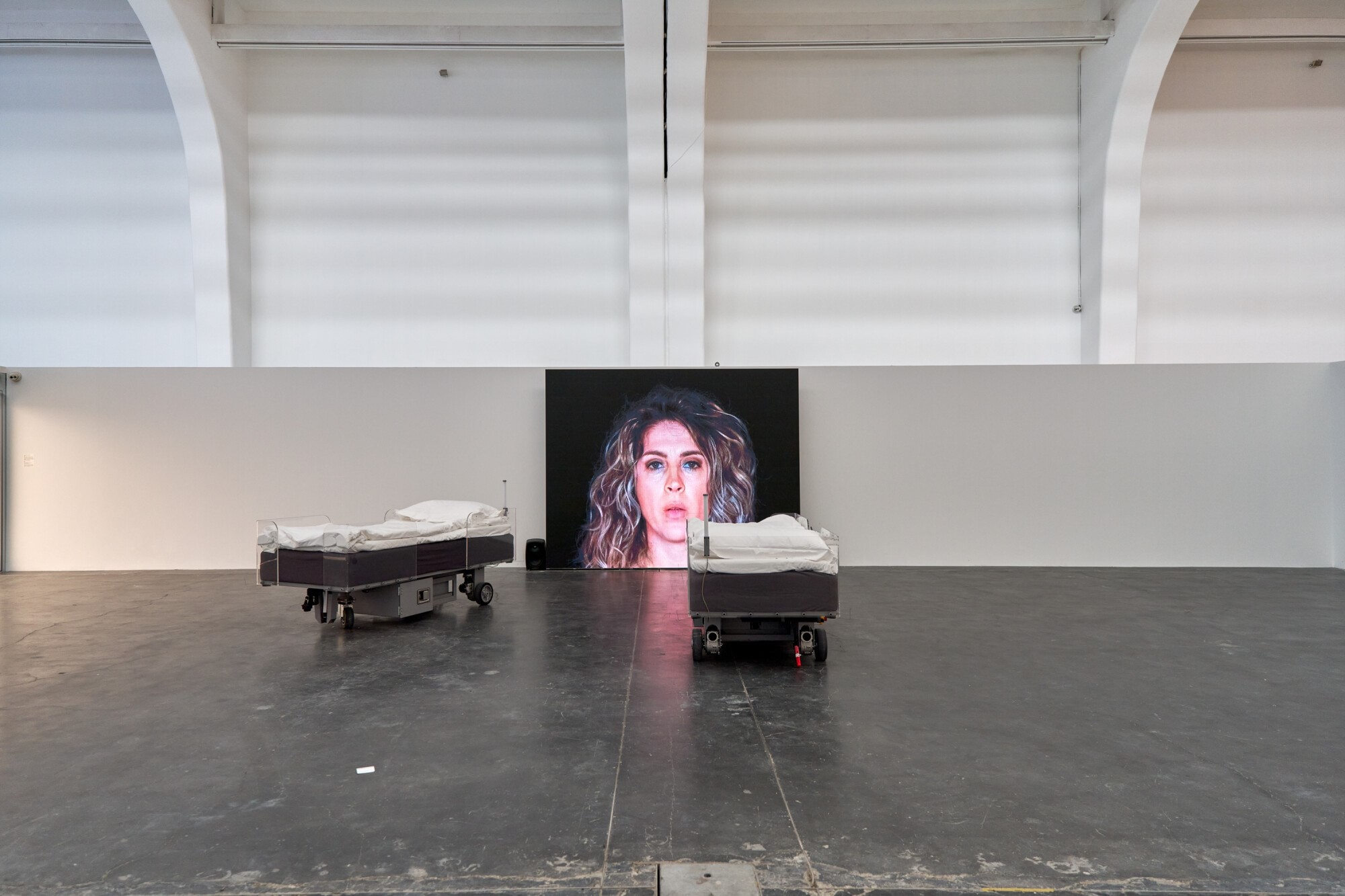
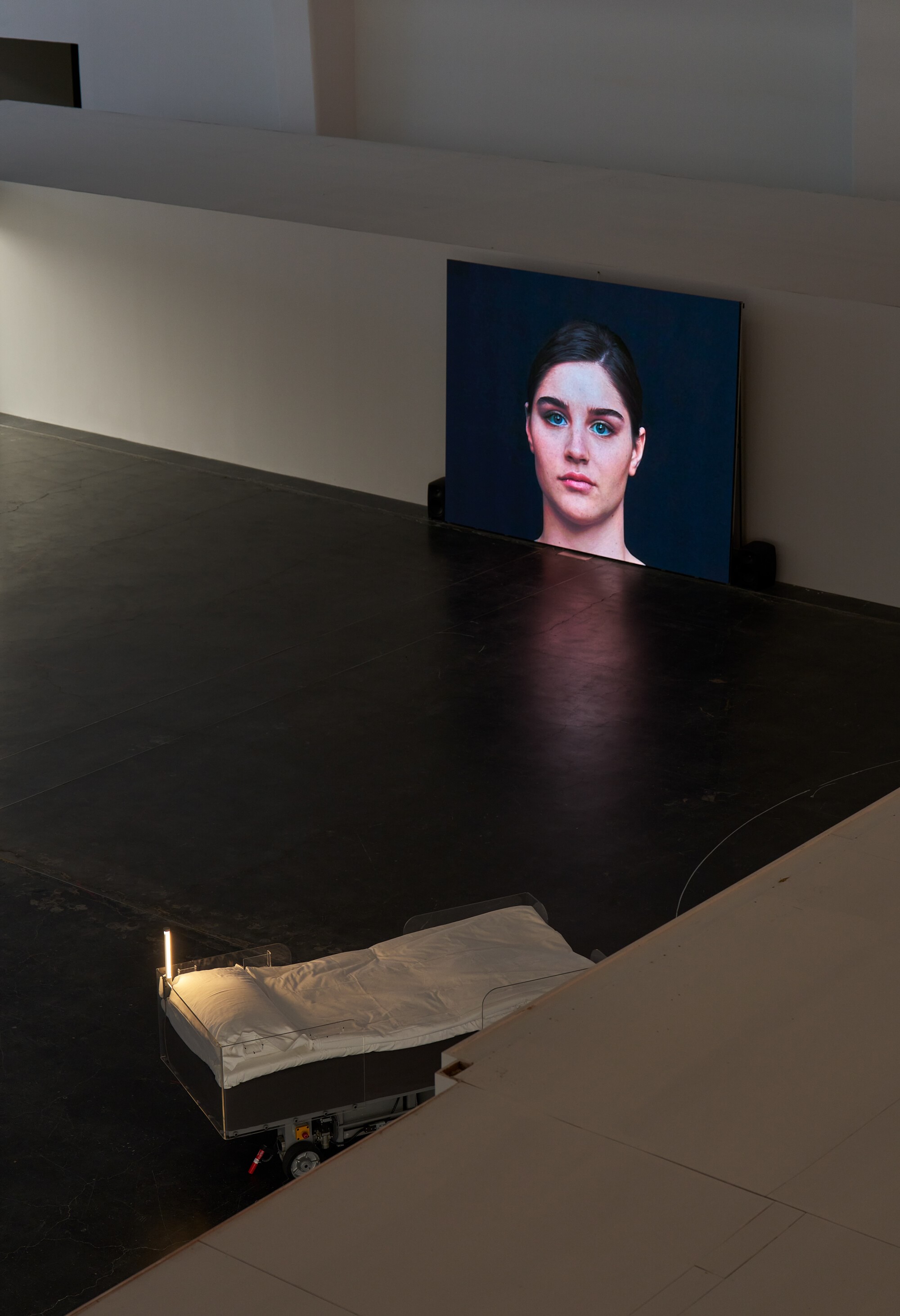
In Twins (Tokyo, New York, Paris, Santiago, Vienna, Belgium, London, Milan, Santander, Beijing) (2005-2018), a two-channel video work, sets of twins from around the world make contradictory statements, creating an unsolvable riddle. The reassuring logic of resemblance gives way to ambiguity, exposing the fragility of assumptions through which reality is often organized and understood. Likewise, Sliding Doors Square (2026) leads visitors through a seemingly endless passageway of mirrored automatic doors, where shifting reflections can be unexpectedly interrupted by the presence of others coming from the opposite direction, creating moments of perceptual dislocation.
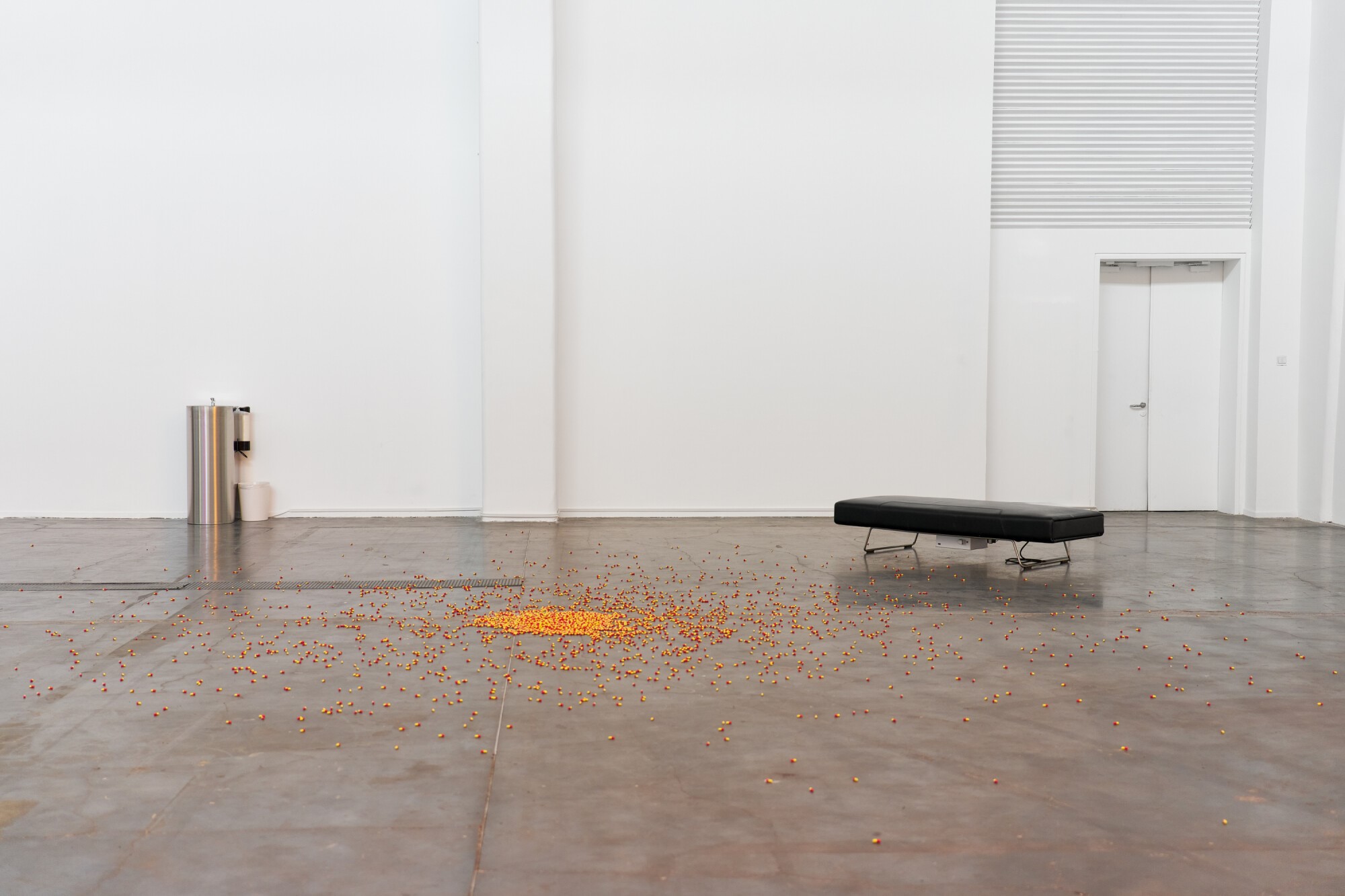
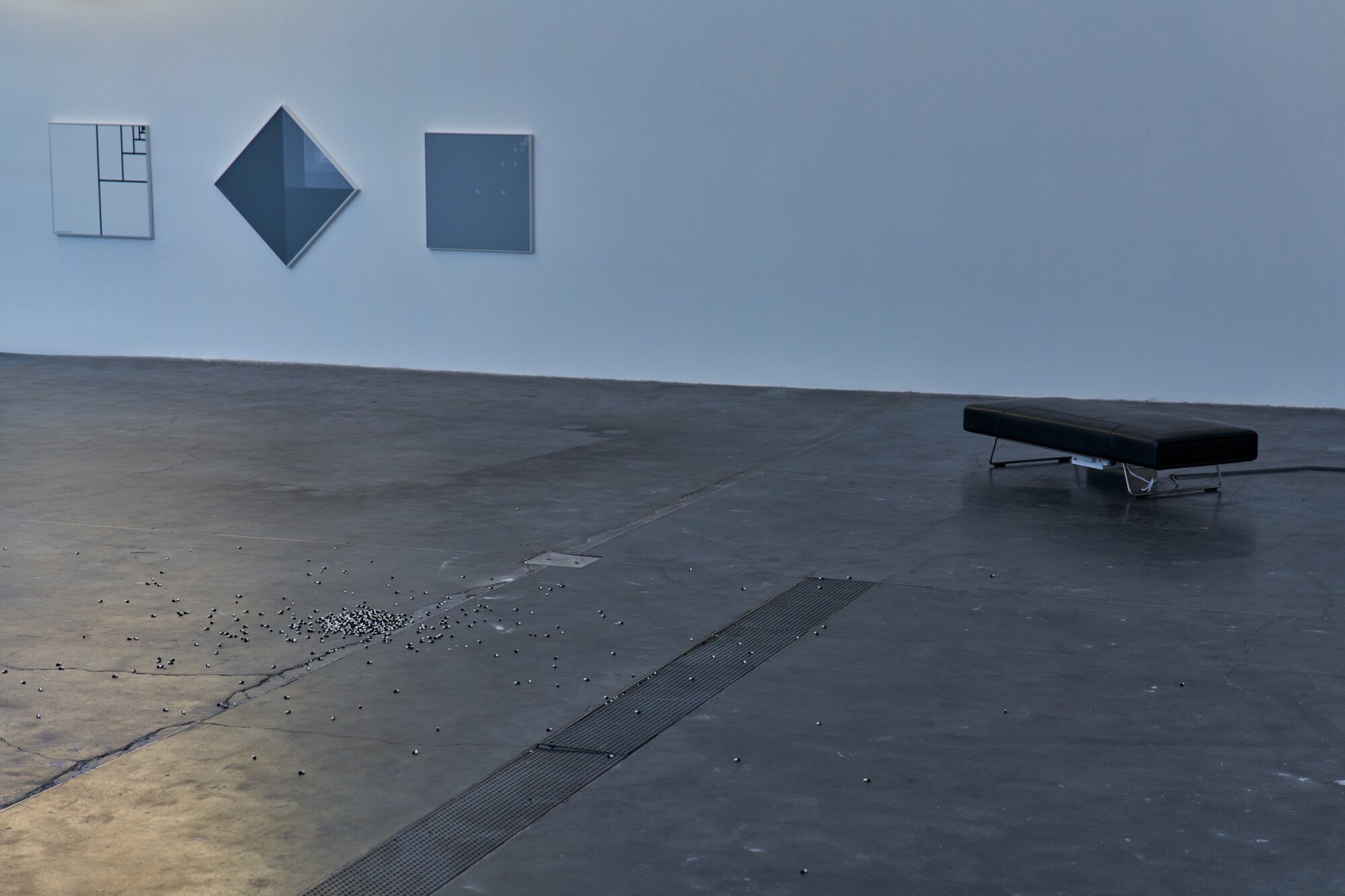
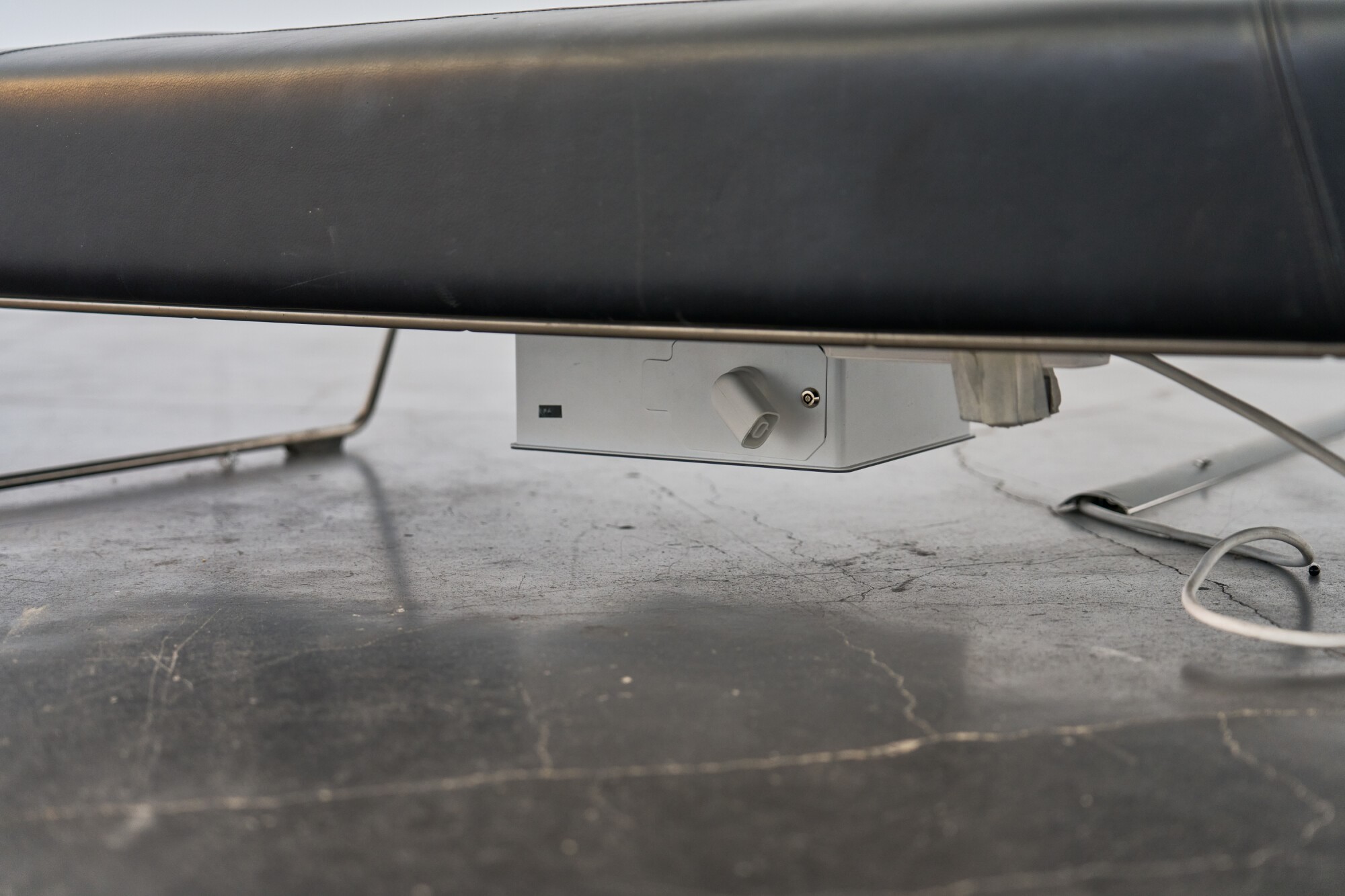
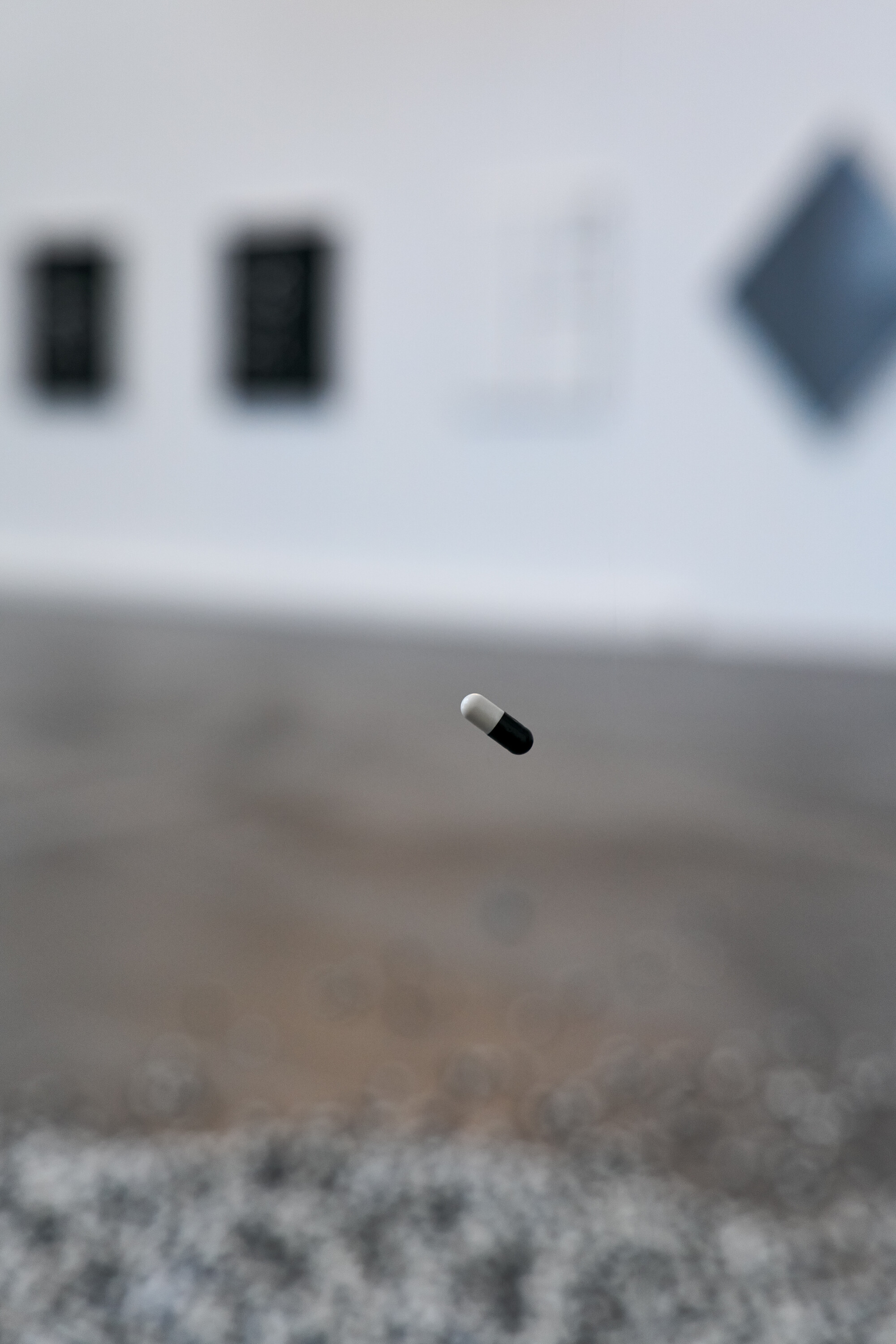
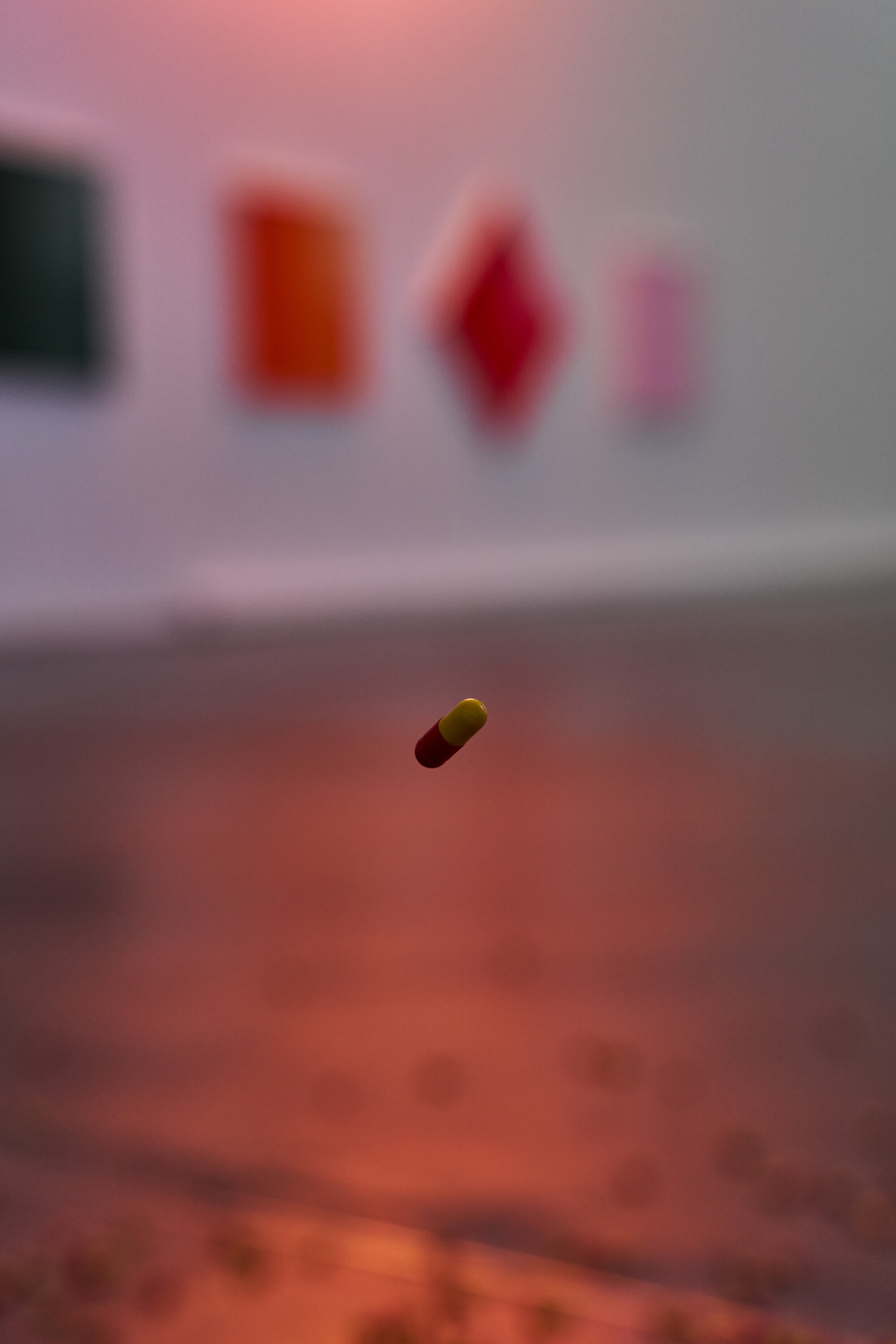
This sense of indeterminacy also underlies two versions of Pill Clock (2026), in which a mechanism releases pills containing an “undisclosed substance” onto the floor at three-second intervals, which is roughly the amount of time perceived as being “the present.” The pills, which can be swallowed, gradually accumulate into a growing mound over the course of the exhibition. Oscillating between medical apparatus and speculative proposition, the work measures time in the form of accumulated presence. How does the act of focusing on these artworks shape viewers’ experience of time? Might swallowing one of the pills further modulate their perception of the world?
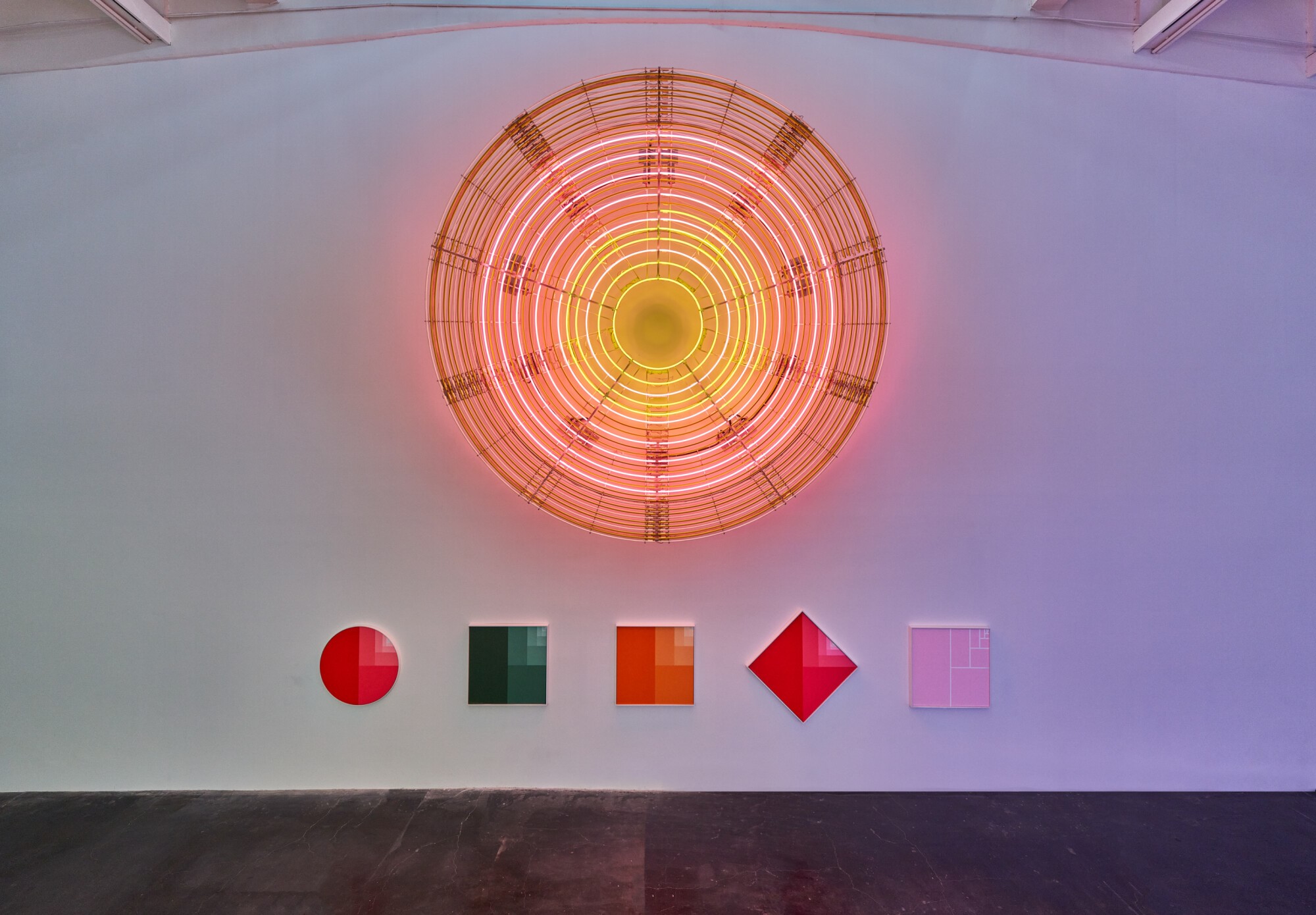
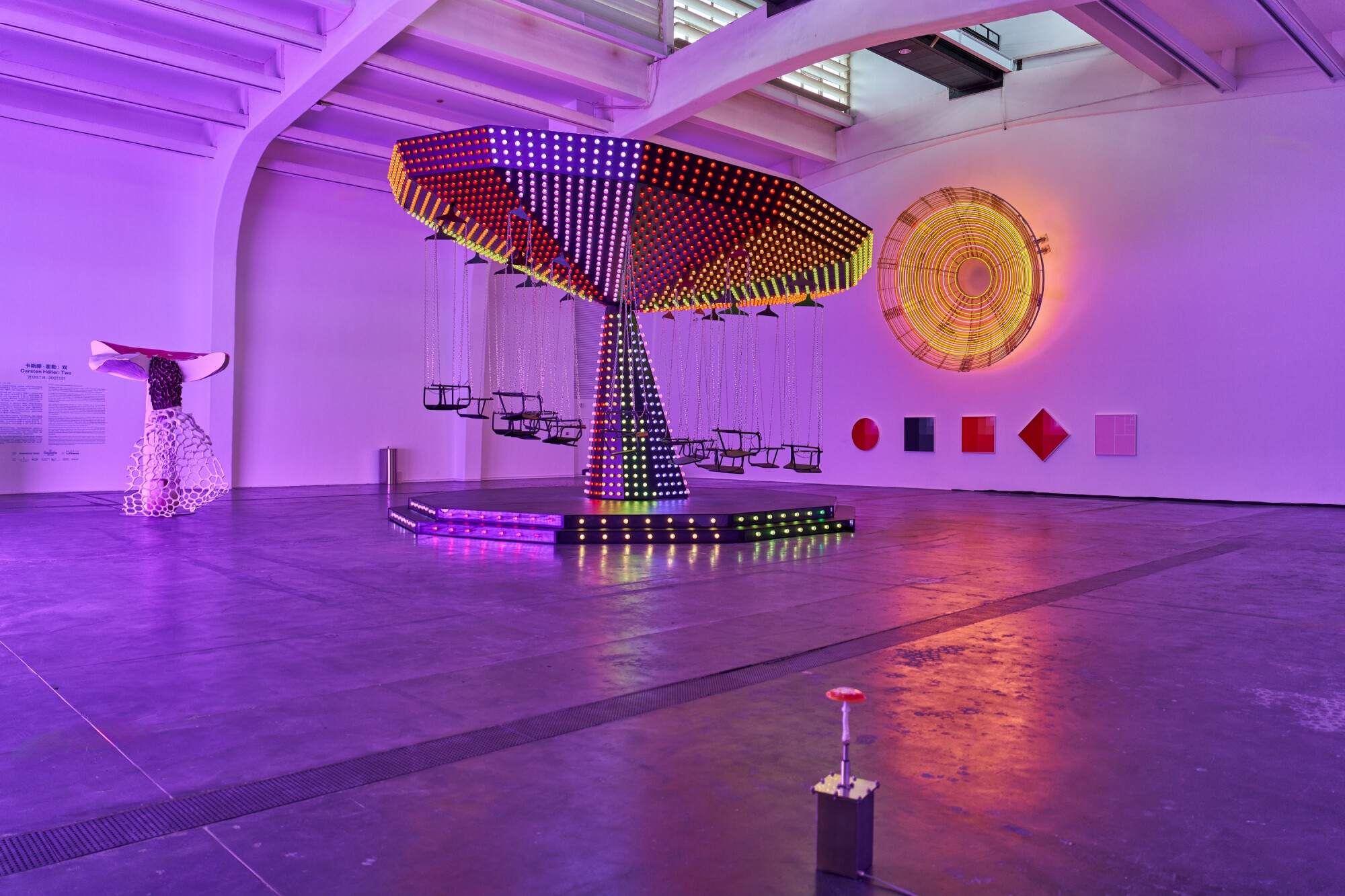
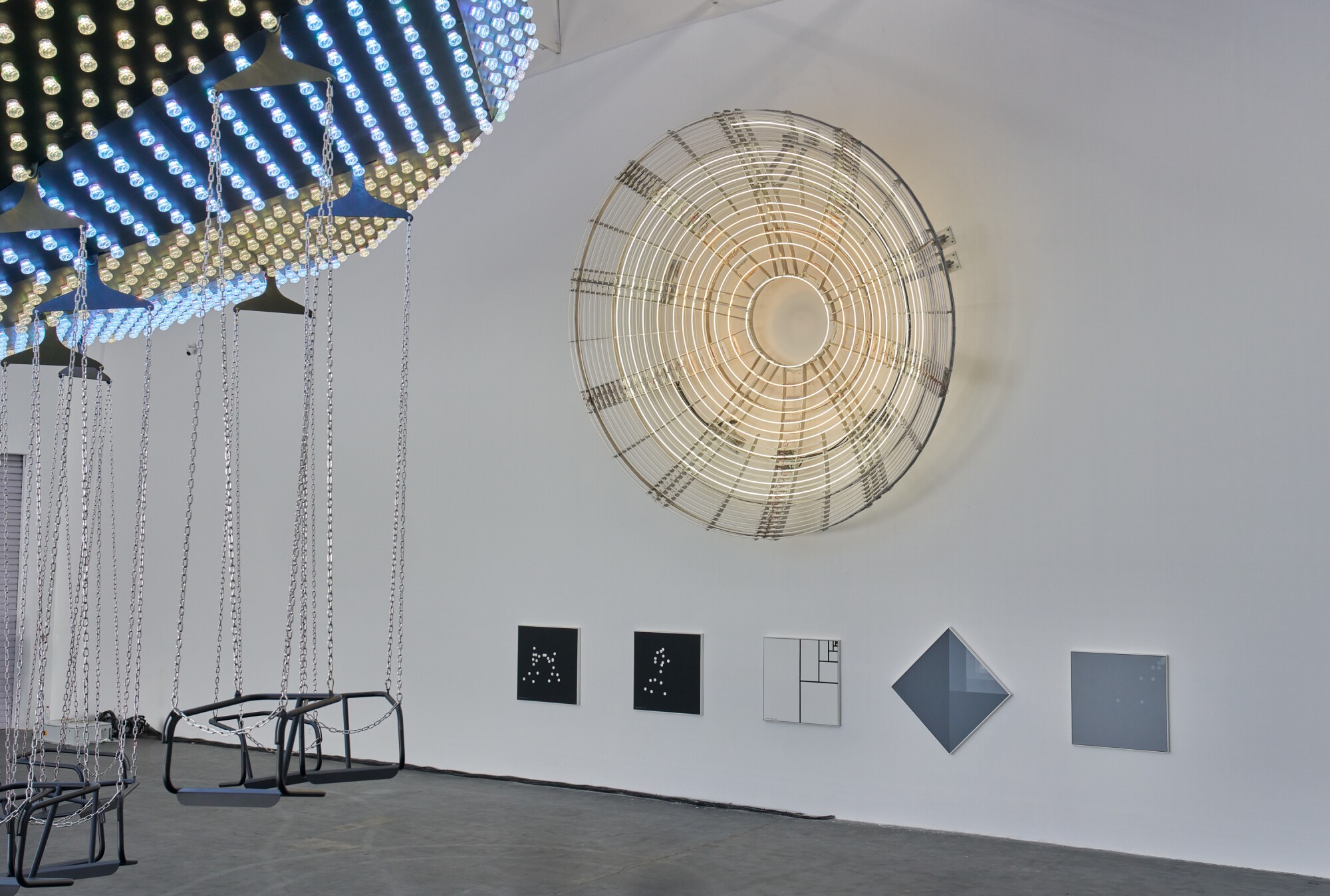
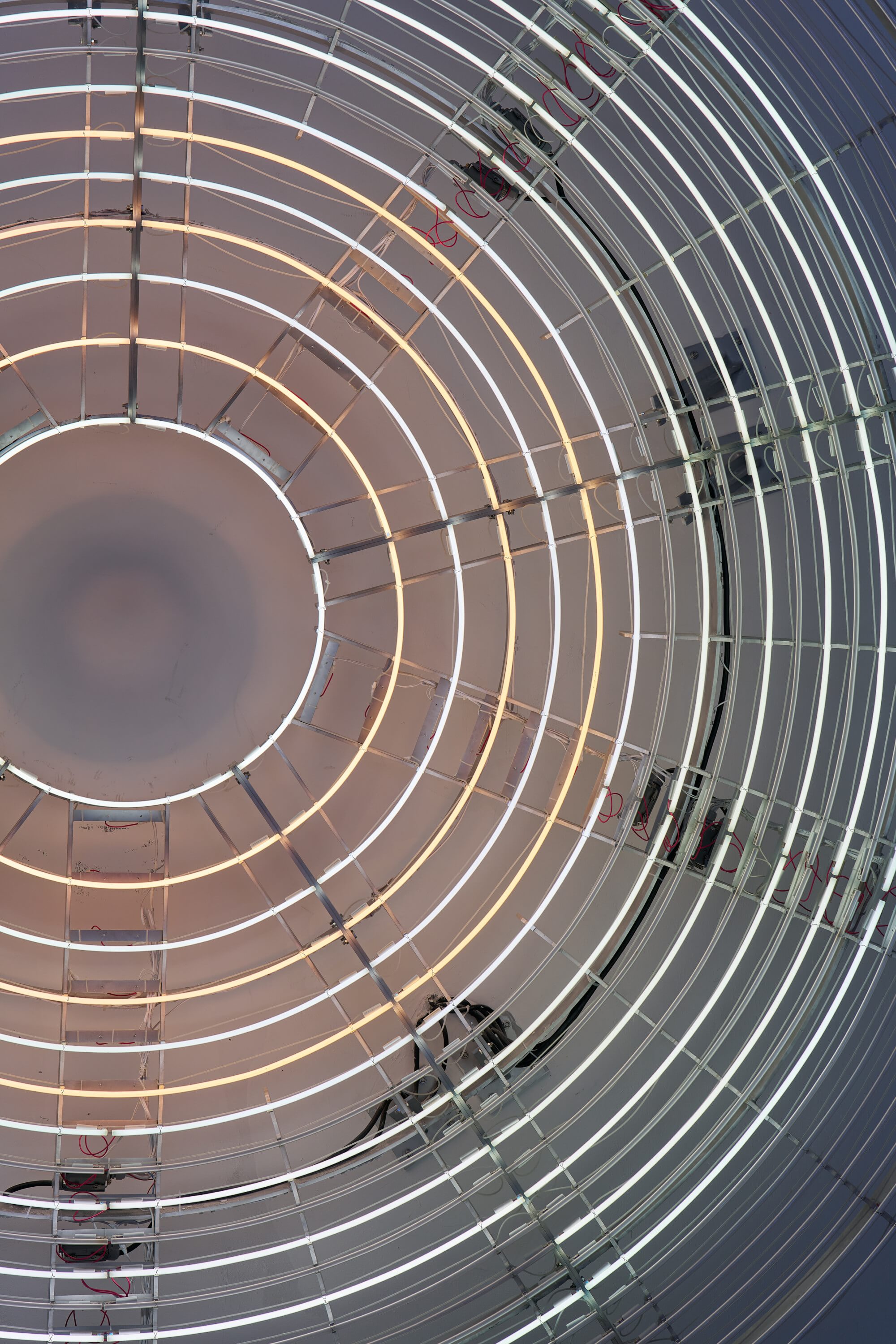
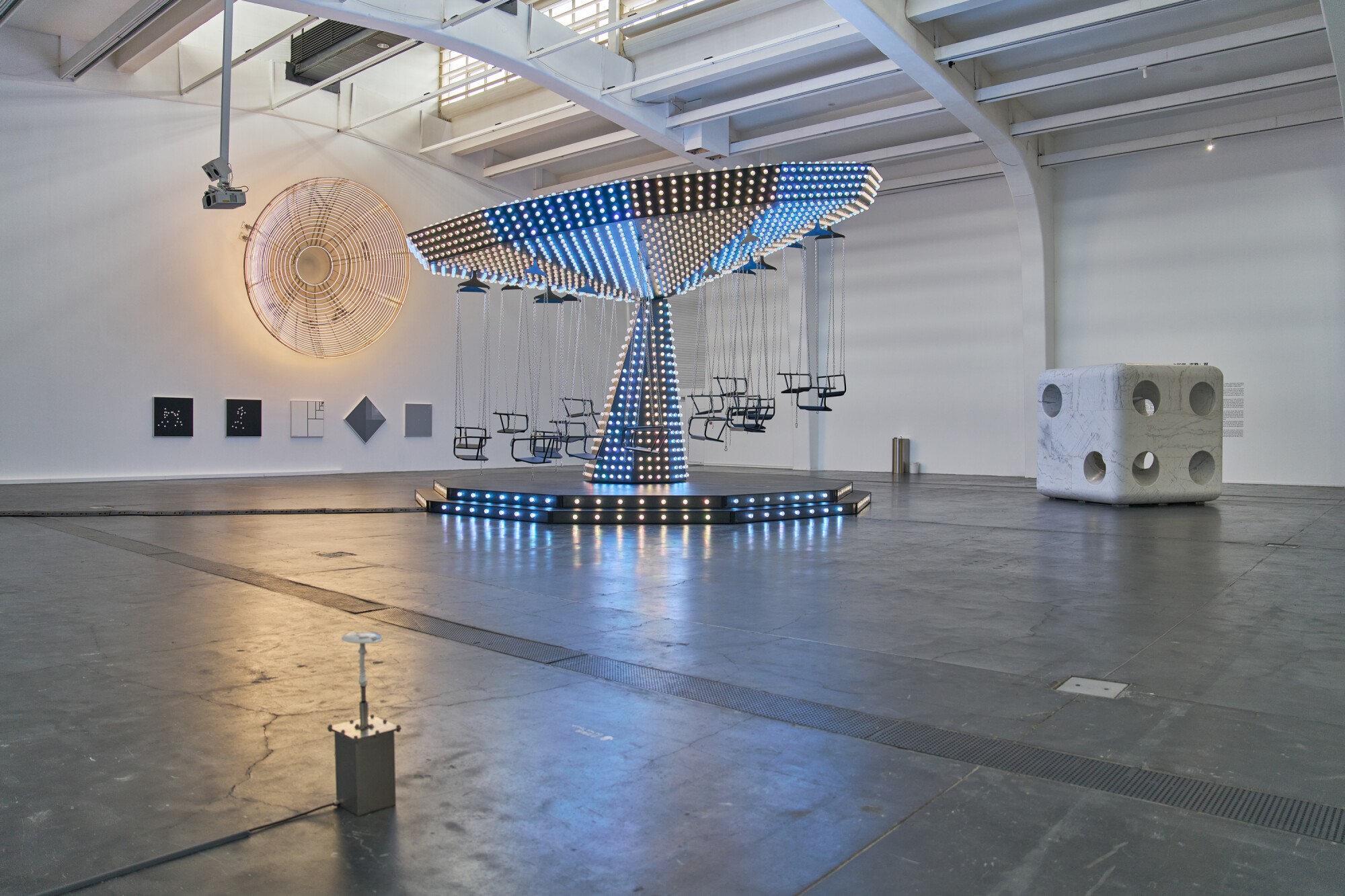
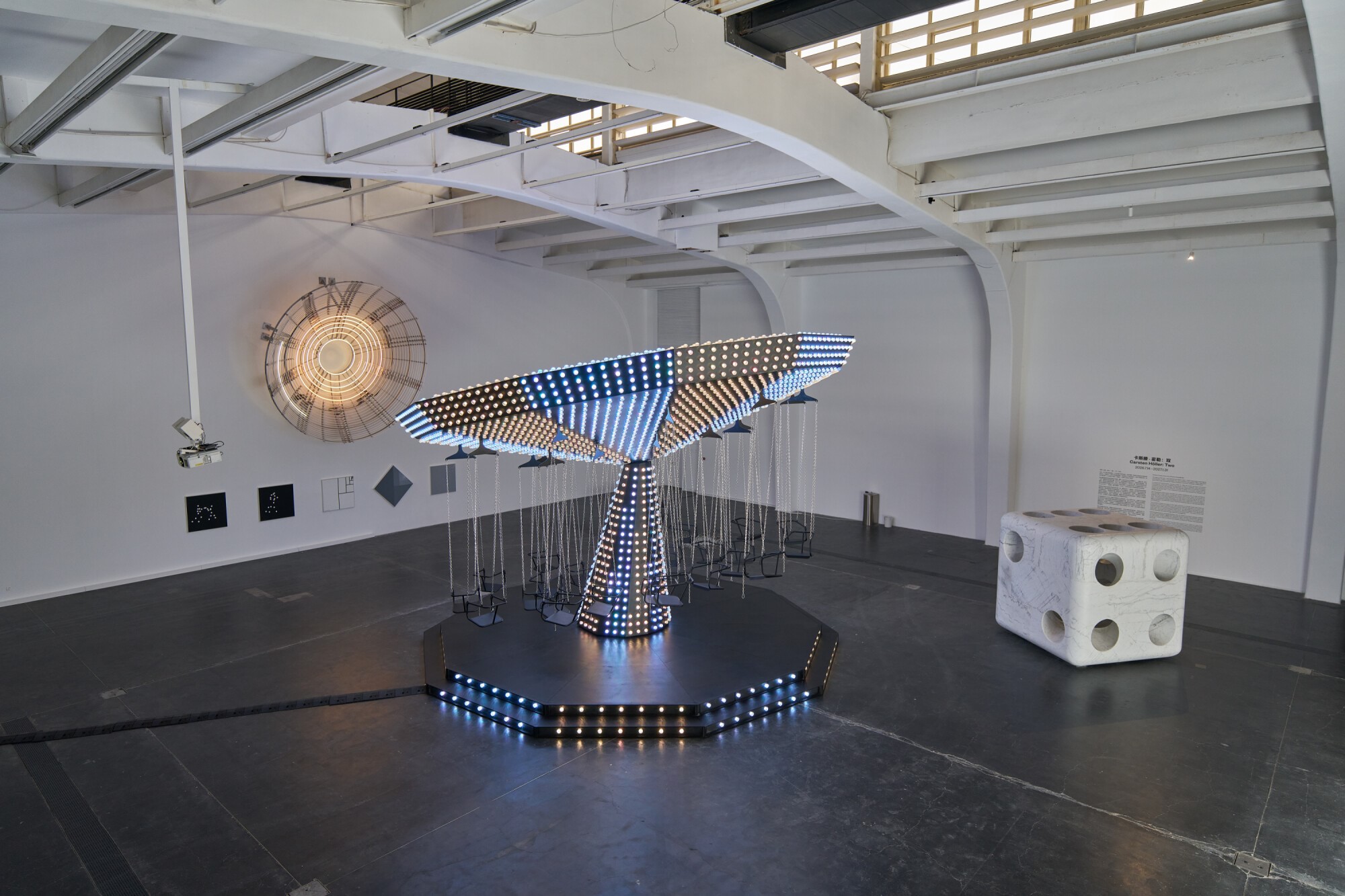
Questions of temporal contingency are also developed in both Sexagesimal Clock (2026) and Decimal Clock (Salmon Rose and Novial Gold) (2021), which defamiliarize established systems of counting time. Installed on opposite sides of the Great Hall, the former translates standard time into neon rings accumulating the hours and the minutes, while the latter reimagines time in units of ten and hundred—a system briefly used during the French Revolution. Together, the works remind viewers that the systems used to organize past and future time are historically conditioned and may be altered, generating new paradigms along the way.
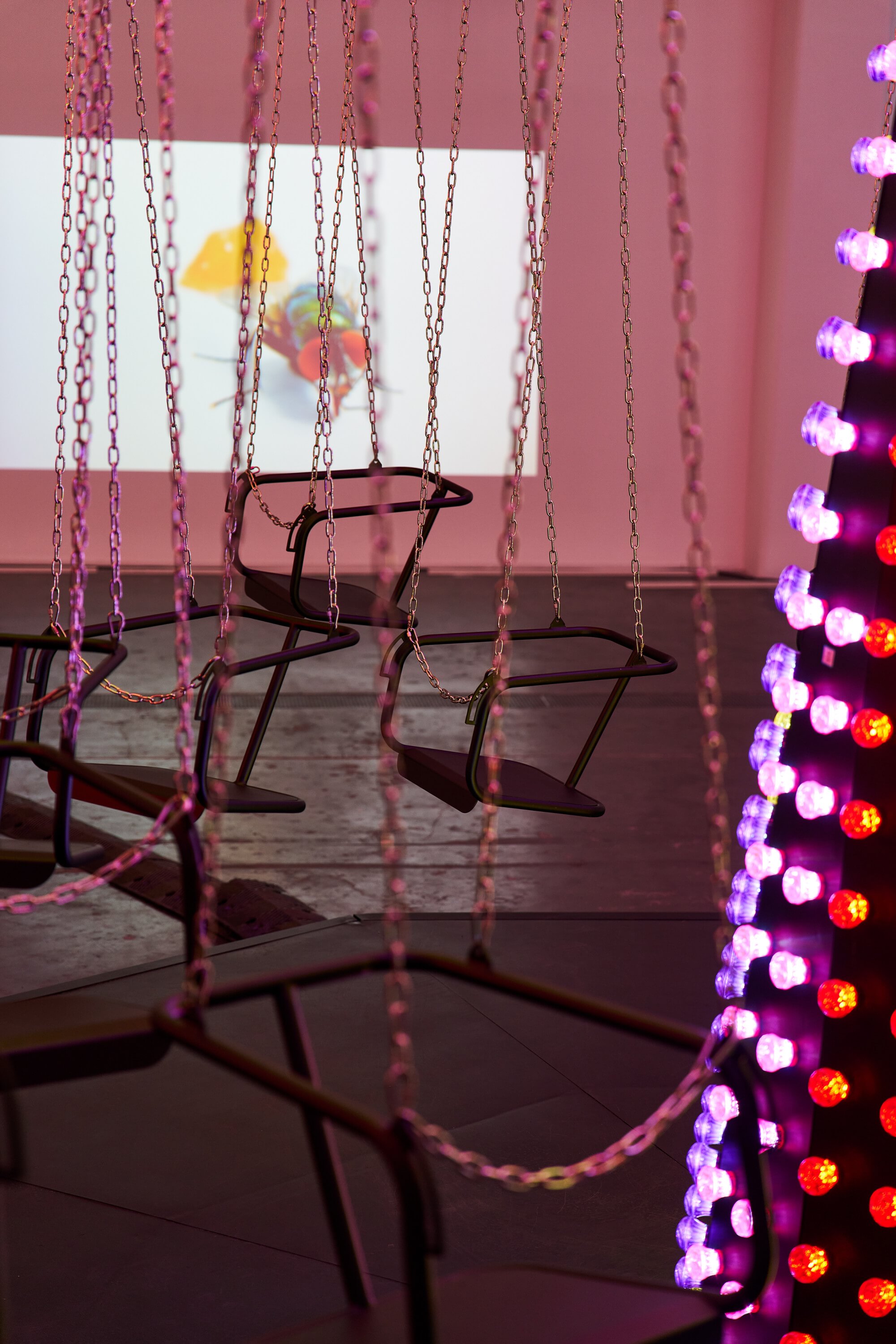
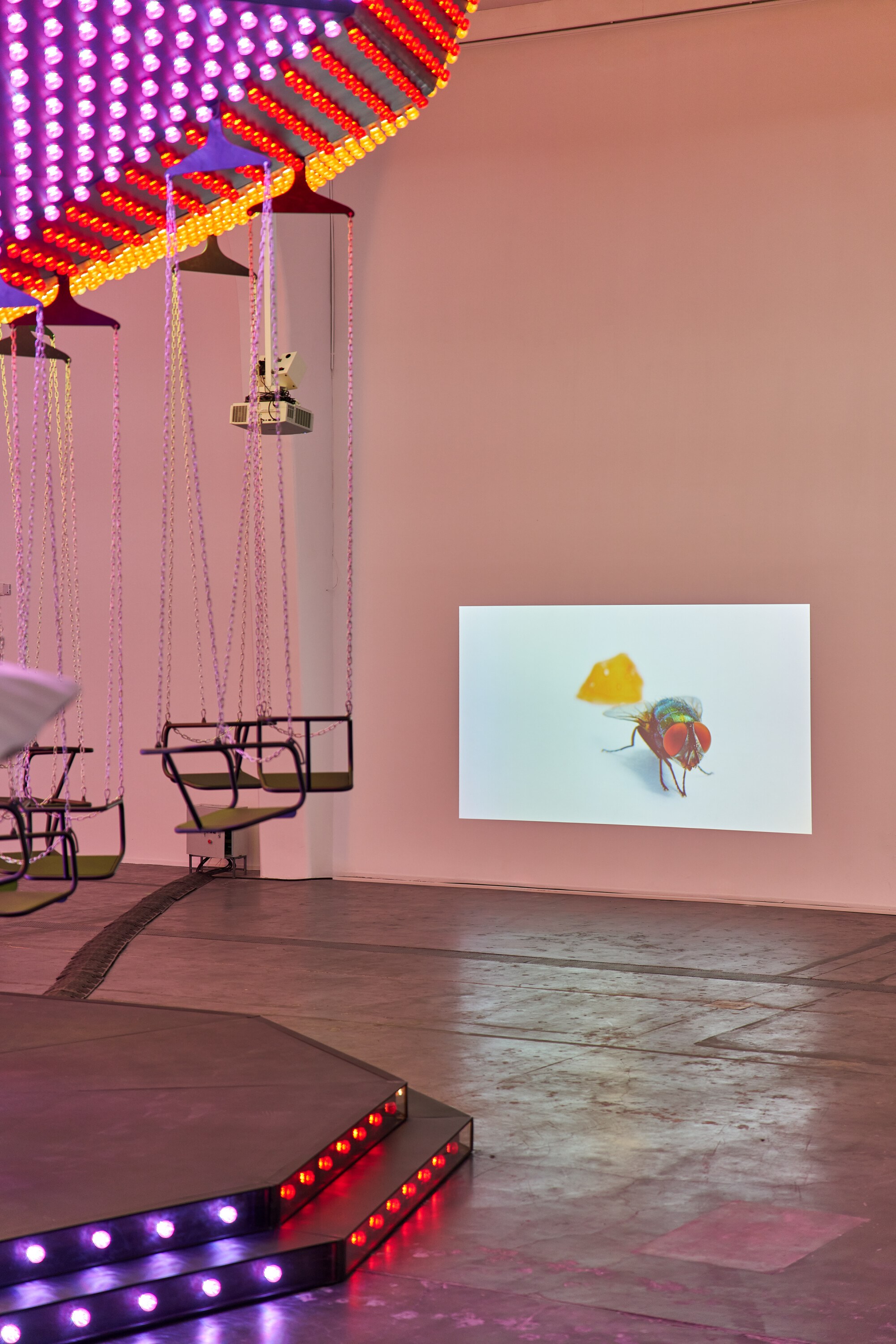
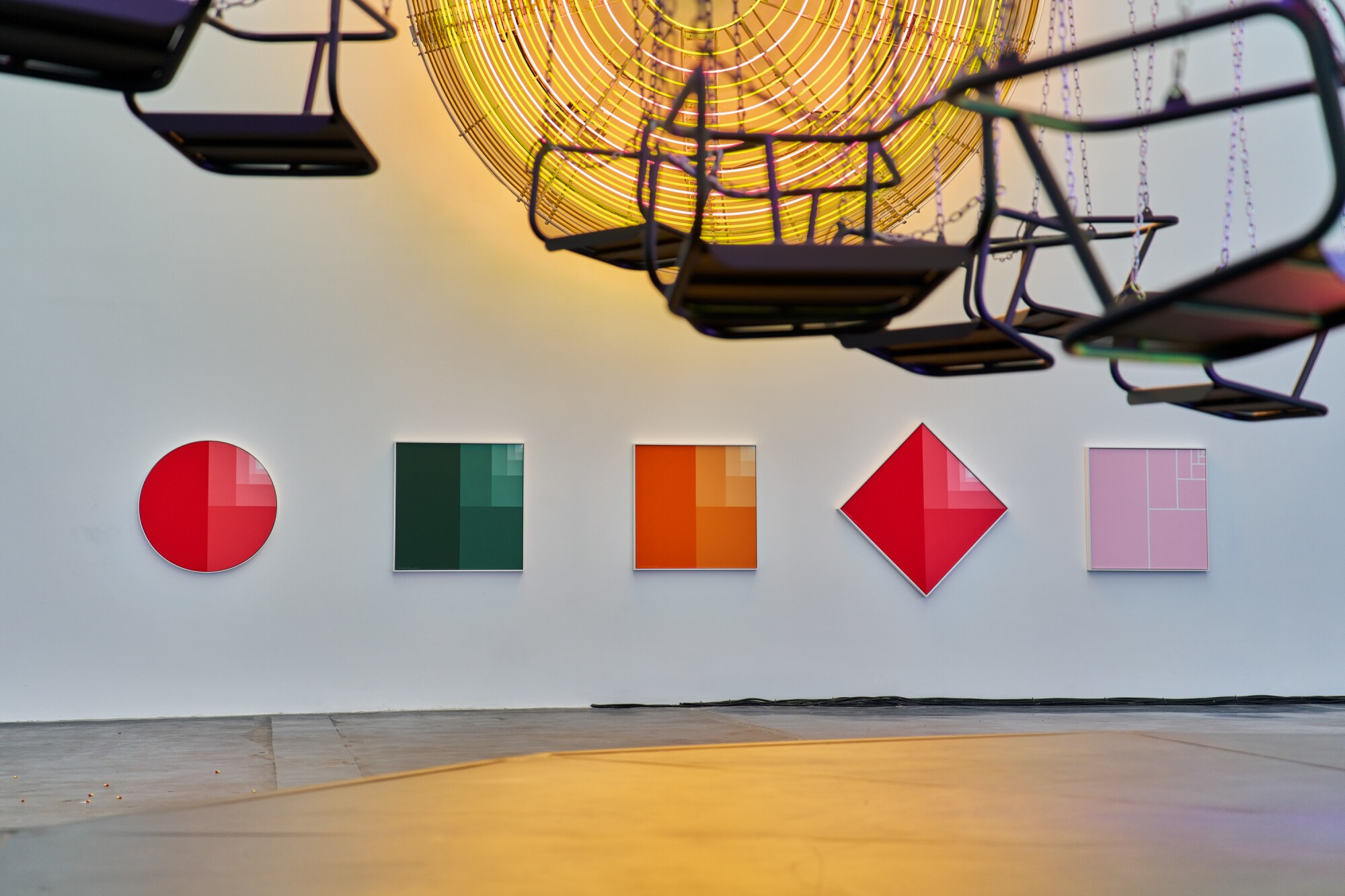
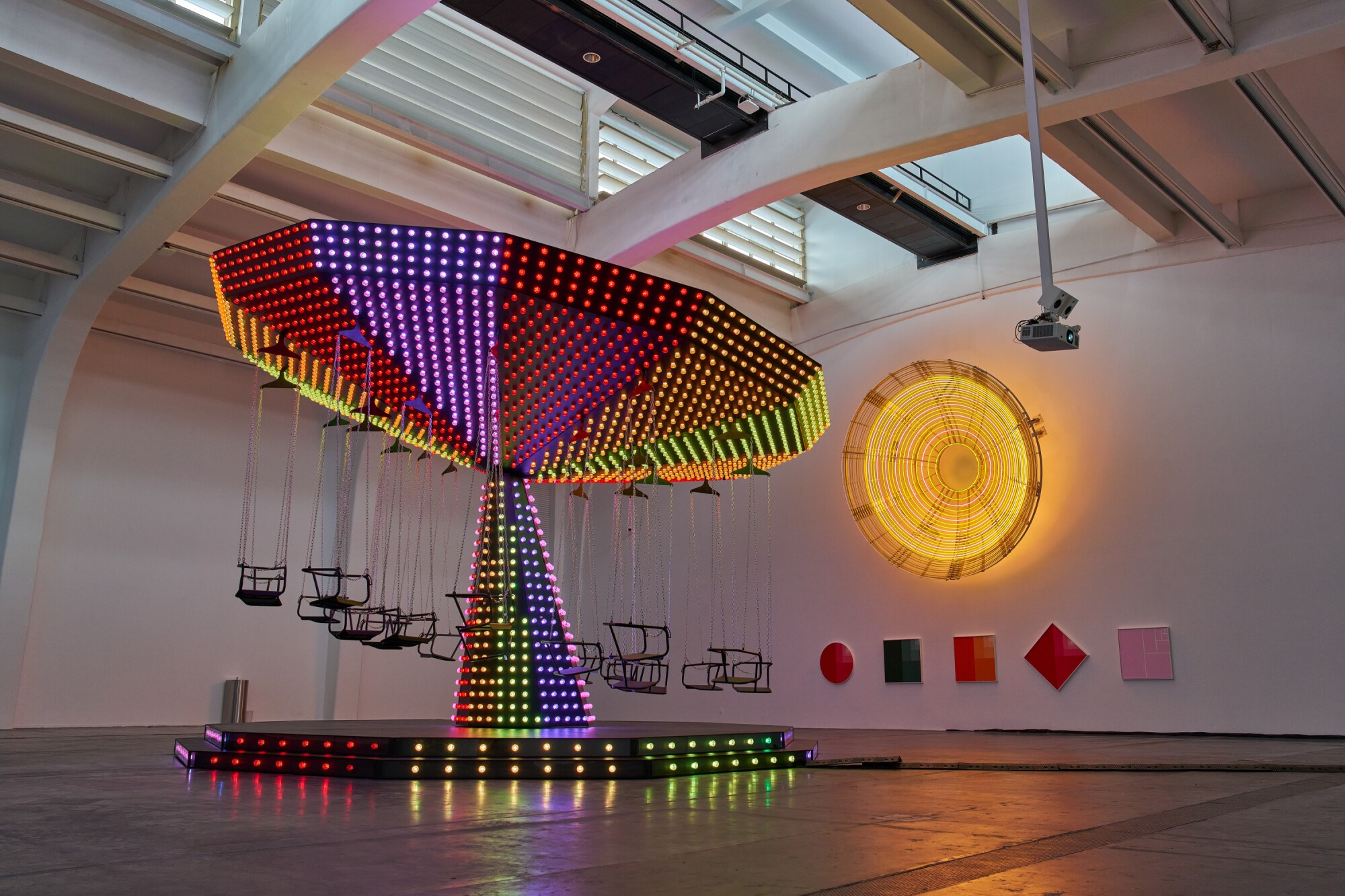
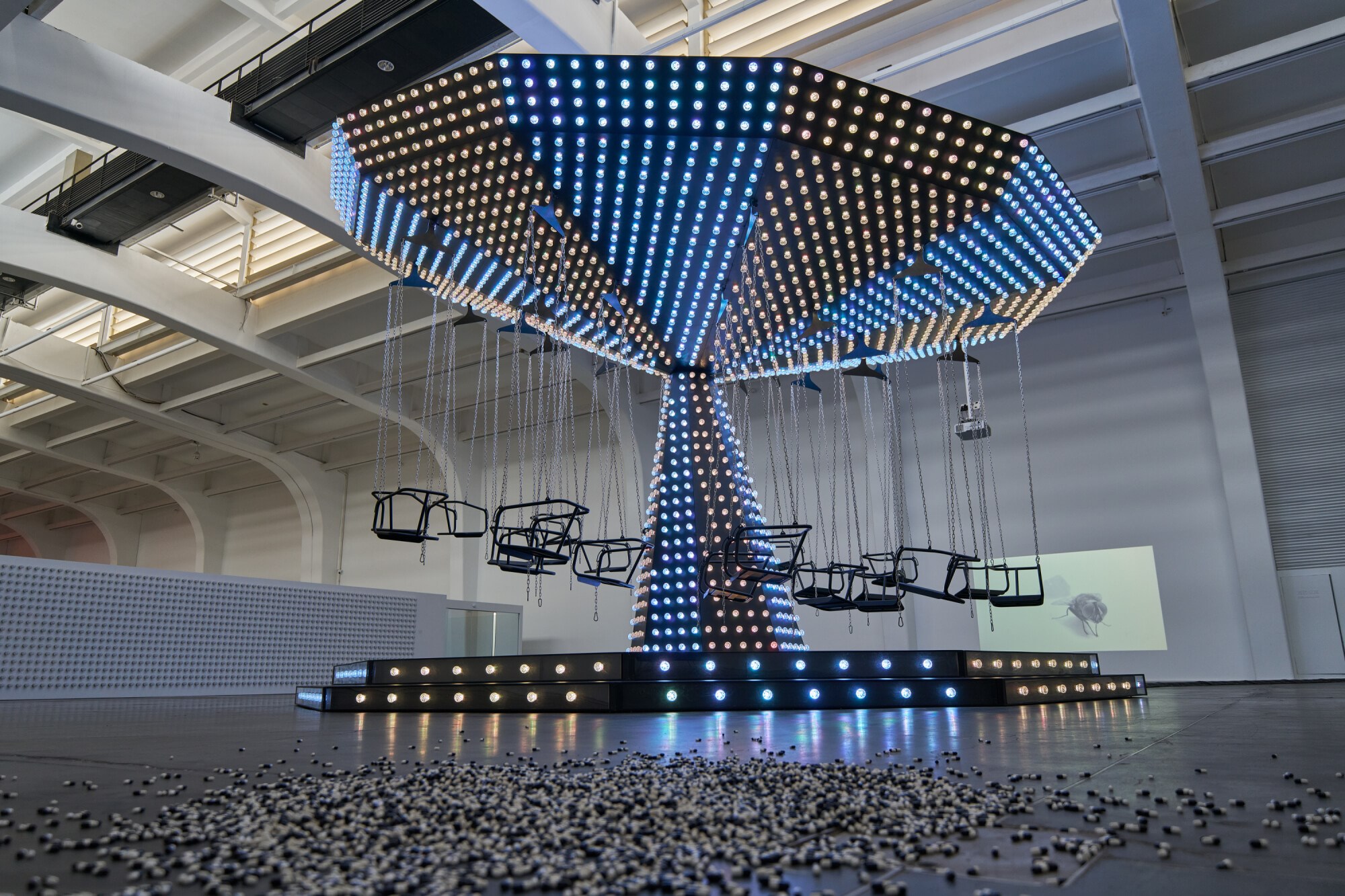
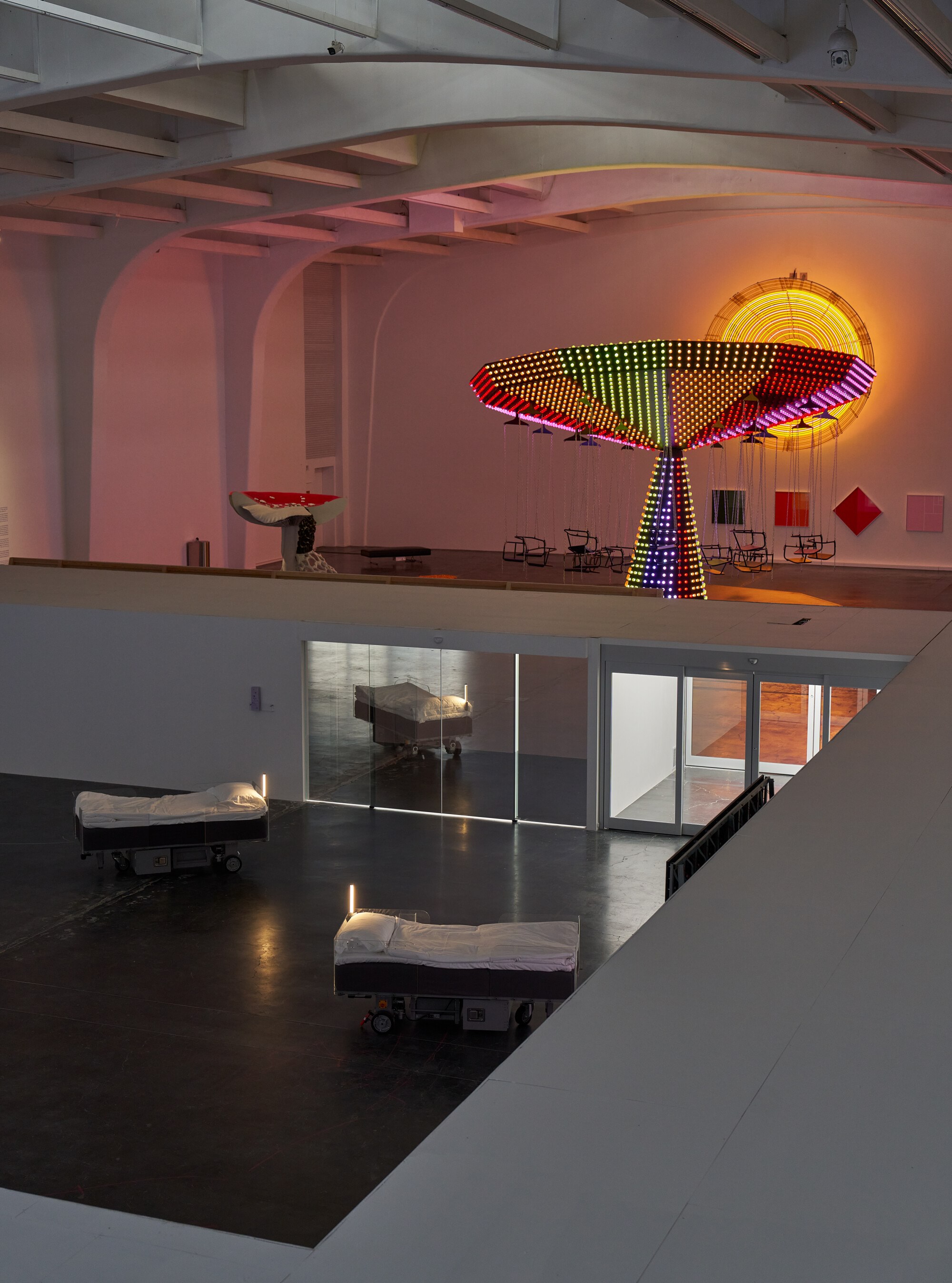
Play emerges as another key thread throughout the exhibition. The artist encourages viewers to engage in behavior outside of museum-going norms, yet also subverts any perceived promise of uncomplicated fun. For example, Tilted Carousel (Five Colours) (2026) and Tilted Carousel (Two Whites) (2026) rework the familiar amusement park ride into an instrument of contemplation. Rotating at an unusually slow pace (and moving in opposite directions on the two sides of the Great Hall), the sculptures “trap” their riders, who need to wait for a full rotation before they can exit the structures again. They thus become part of the works themselves in the interim, while being watched by others. Developed specifically for this exhibition, the carousels extend a key motif within Höller’s practice.
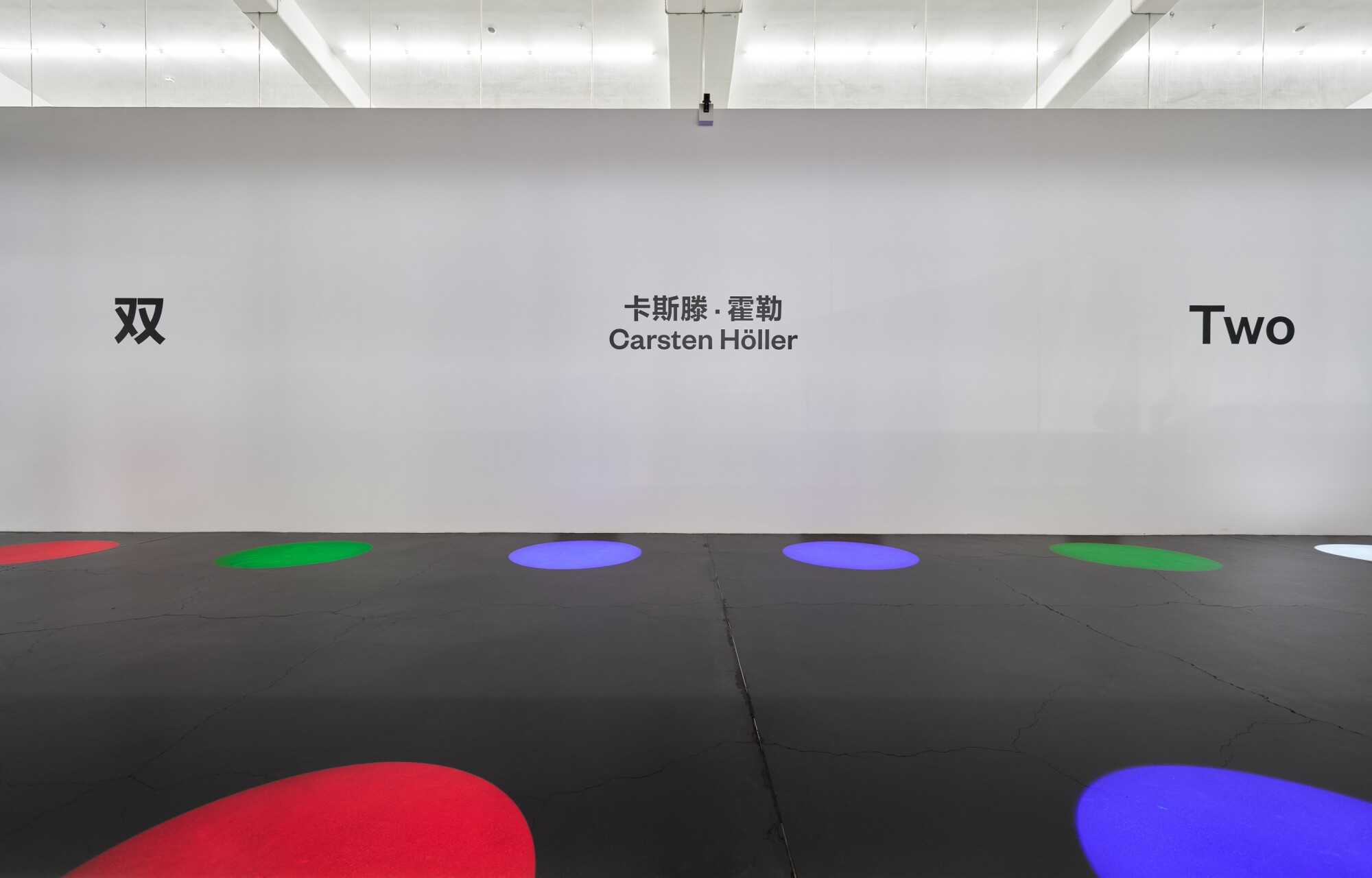
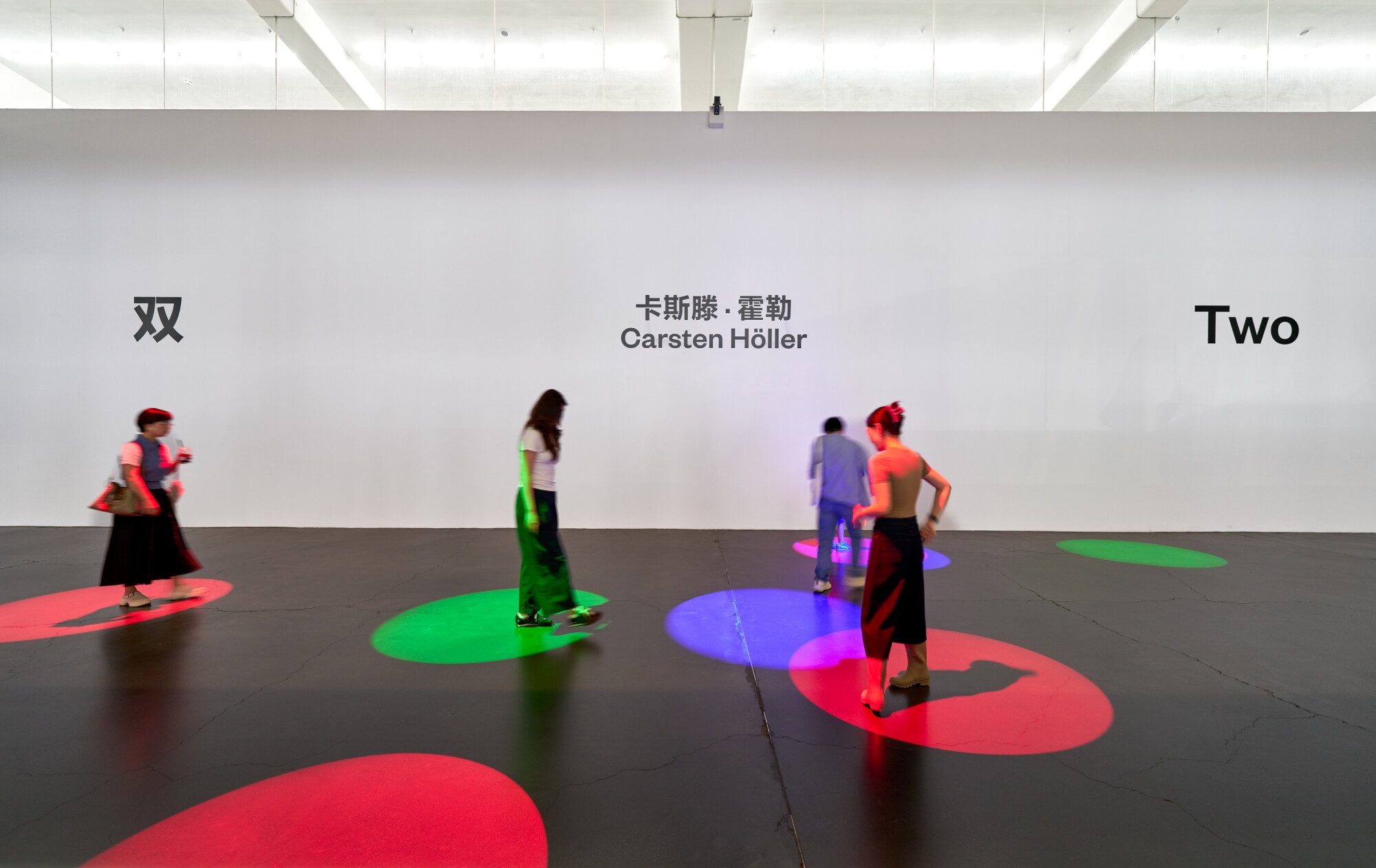
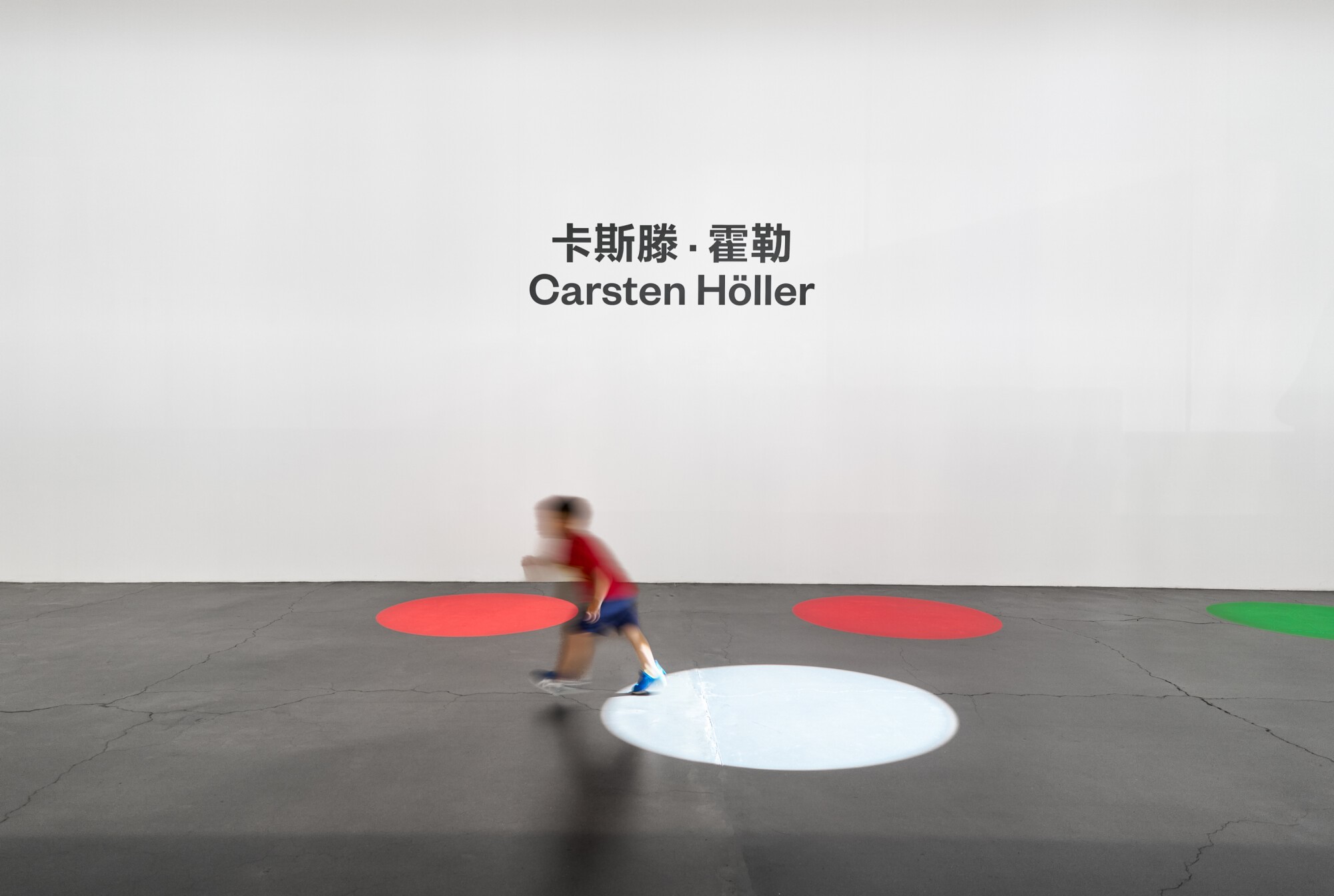
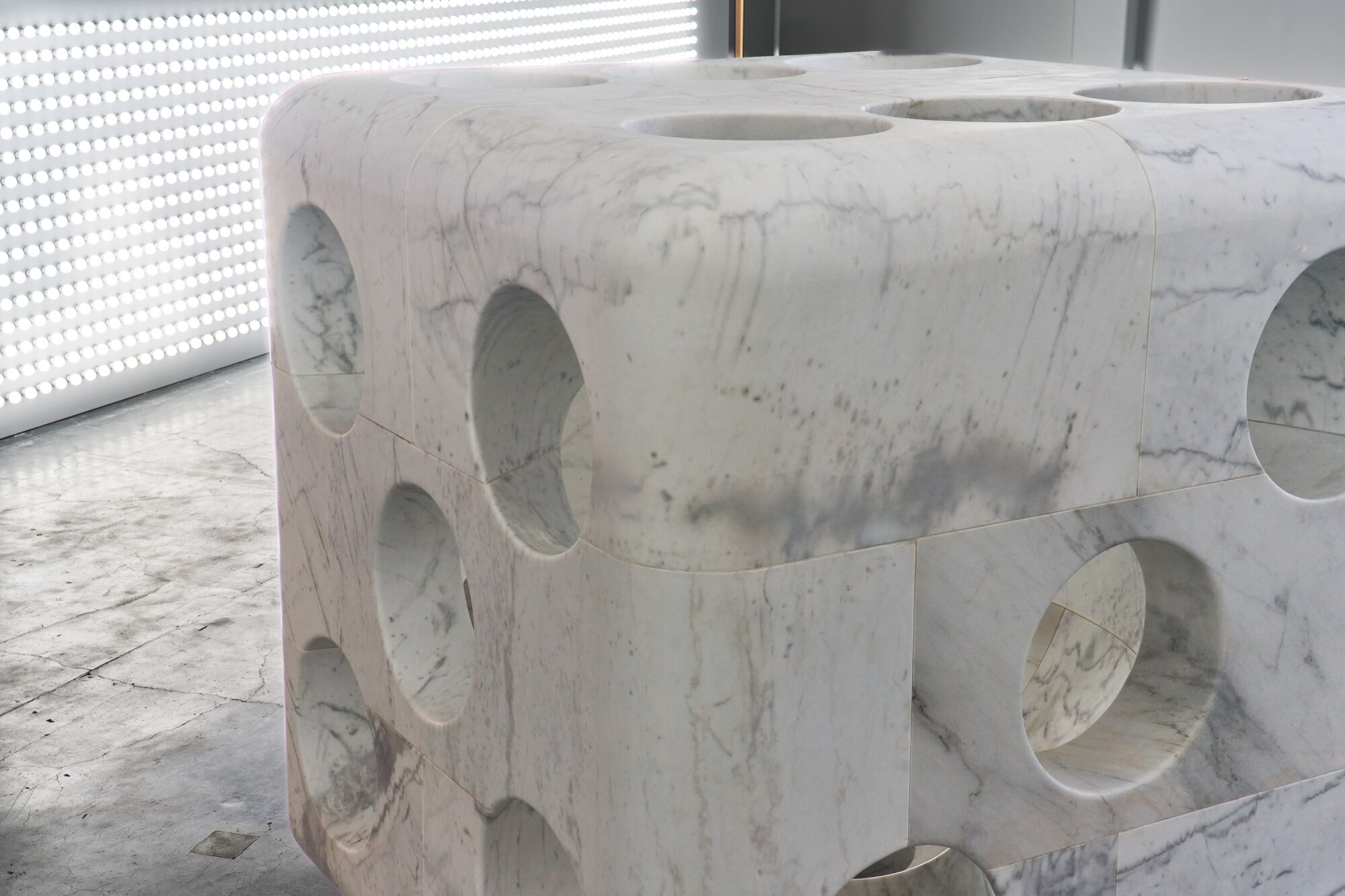
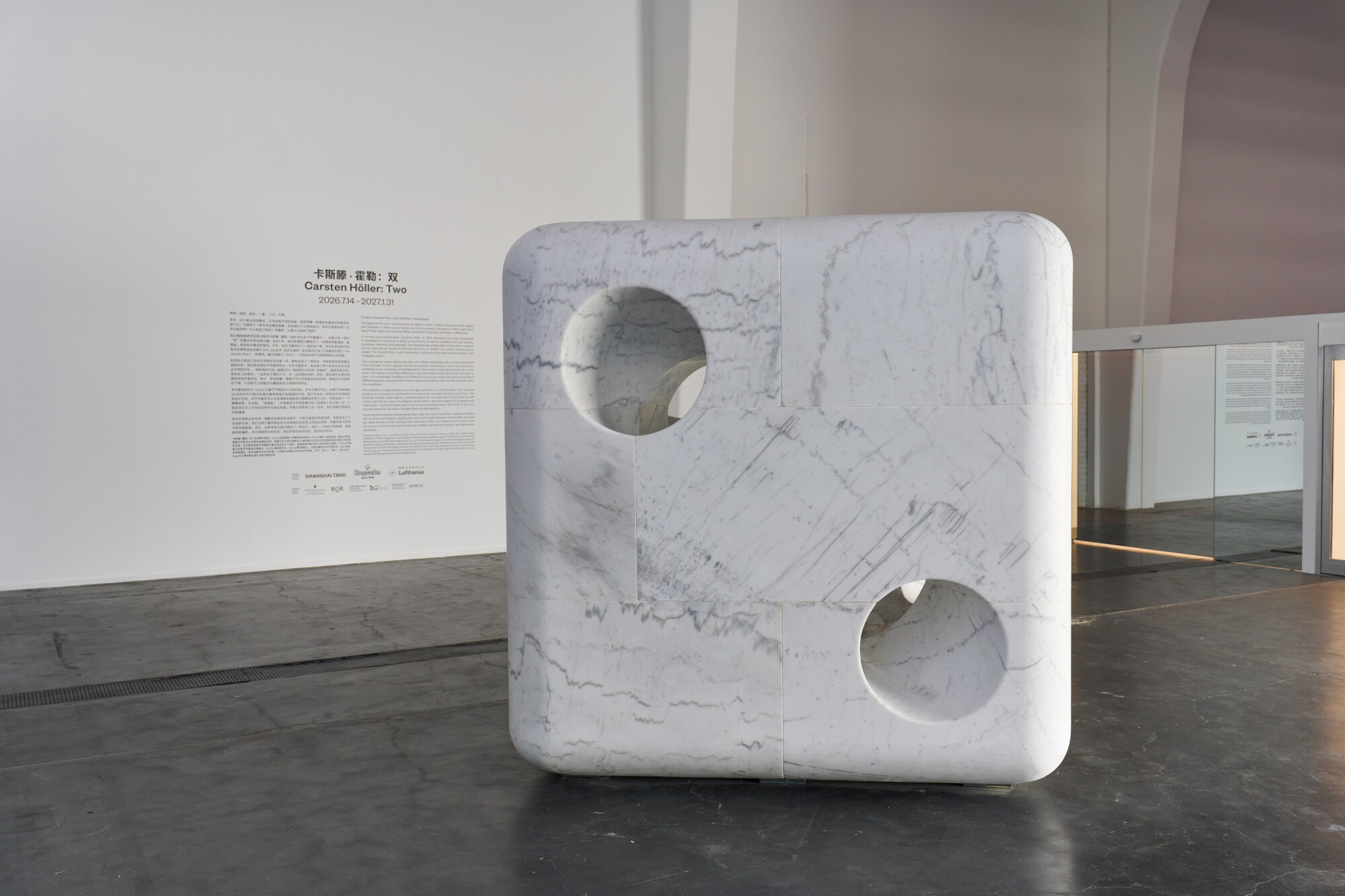
Elsewhere, the theme of play unfolds through systems governed by chance and reward. In the monumental marble sculpture Dice (Chinese Marble) (2026), a familiar object associated with luck is enlarged and contains holes instead of the dots. Visitors are allowed to climb into it to reach a central hollow sphere. Challenging the desire for predictability that shapes much of contemporary life, the work embraces chance as an essential dimension of experience. Similarly, Beijing Dots (2026) transforms UCCA’s Open Gallery into an interactive game of moving spotlights, tracking visitors’ movements and “rewarding” or “punishing” social interactions by “upgrading” or “downgrading” the colors assigned to the players as a consequence of their respective behaviors. Sluice (2026, with Valia Fetisov) is another work with the character of a game, but an involuntary one: two pairs of transparent sliding doors are seemingly a shortcut through the exhibition, but once enclosed in the space with the first pair of doors, the second pair doesn’t open—the visitors are trapped. That is, until they receive information from other visitors outside (or figure it out themselves) that they need to avoid any movement for 30 seconds. Then the second pair will open.
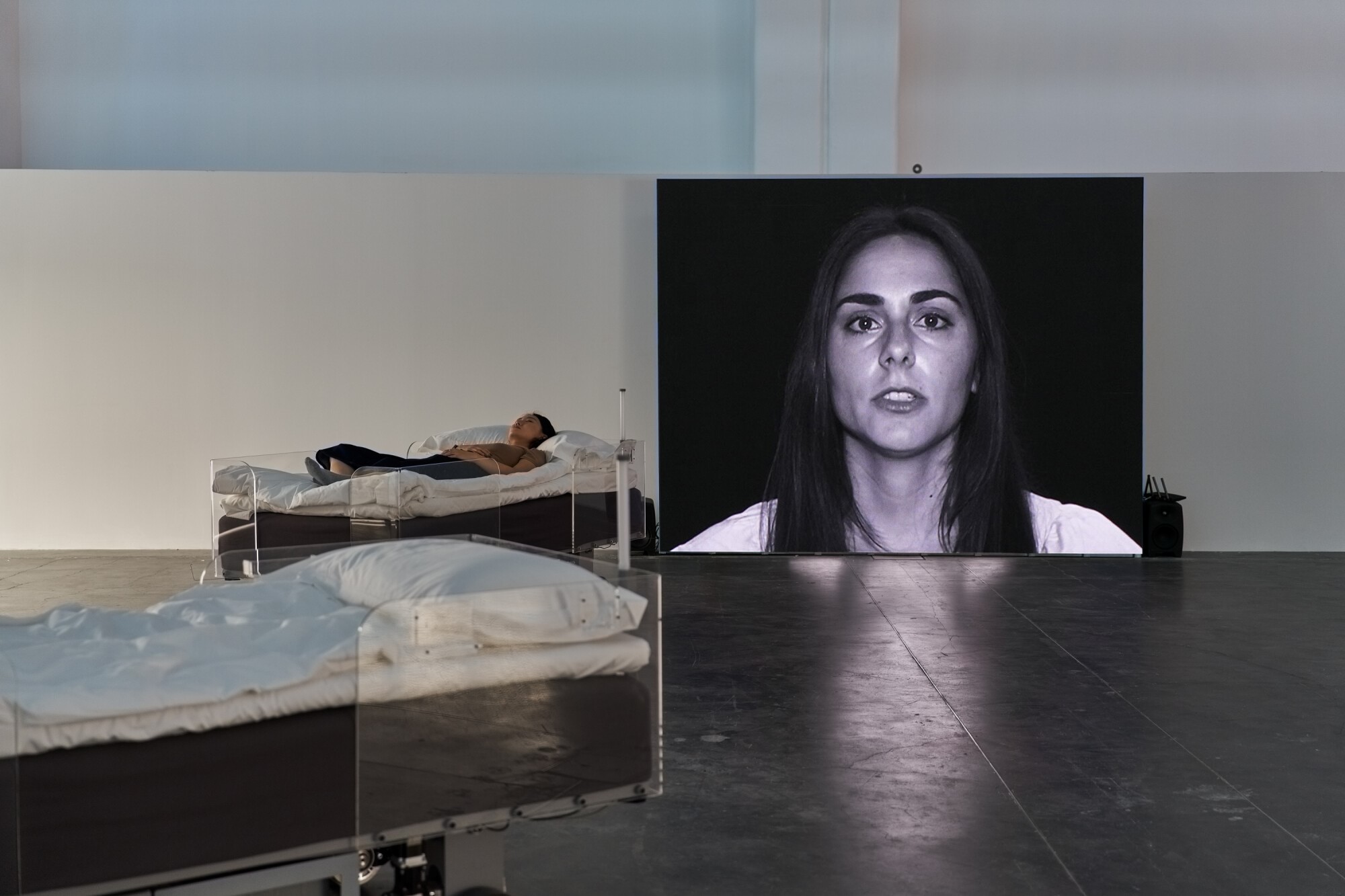
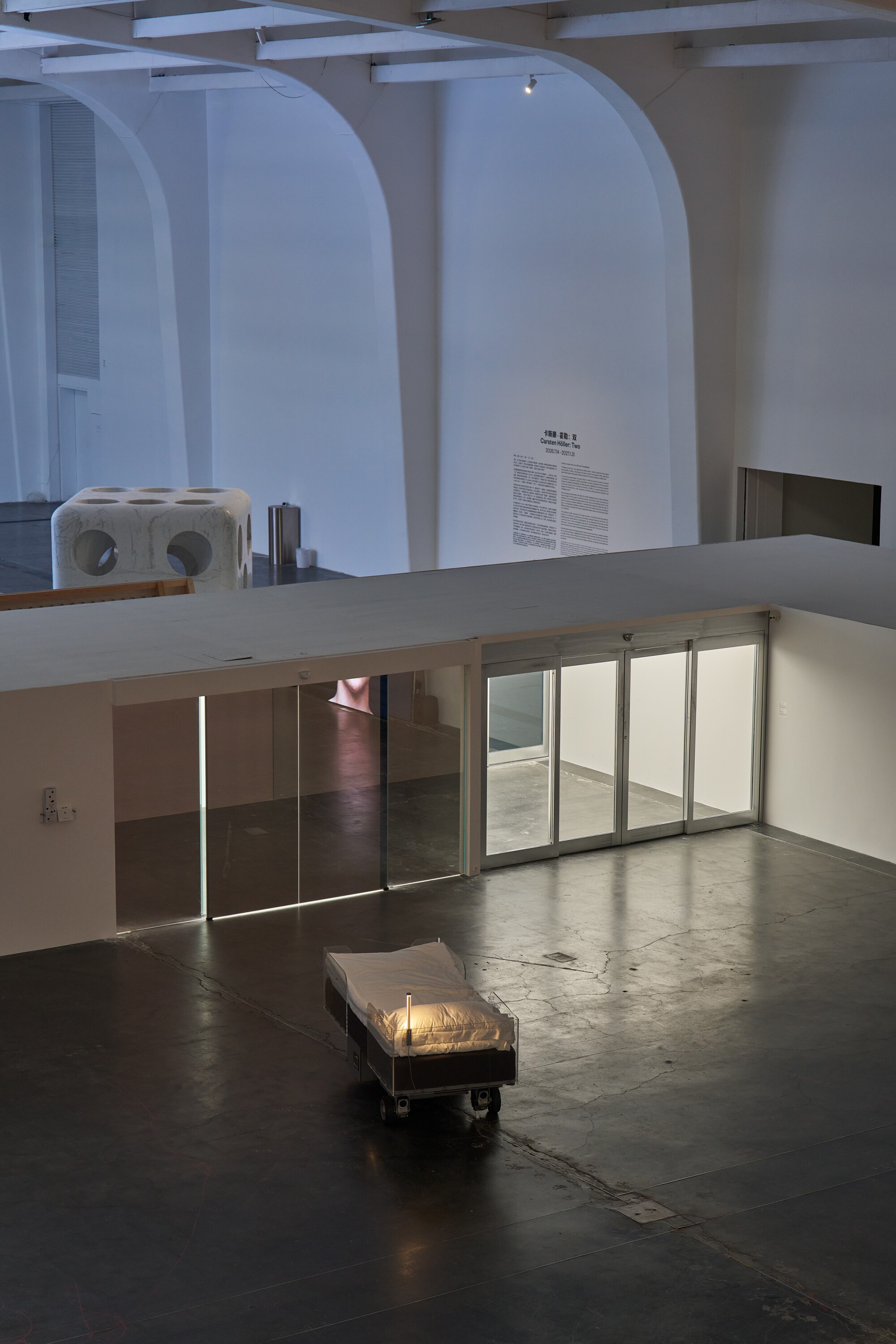
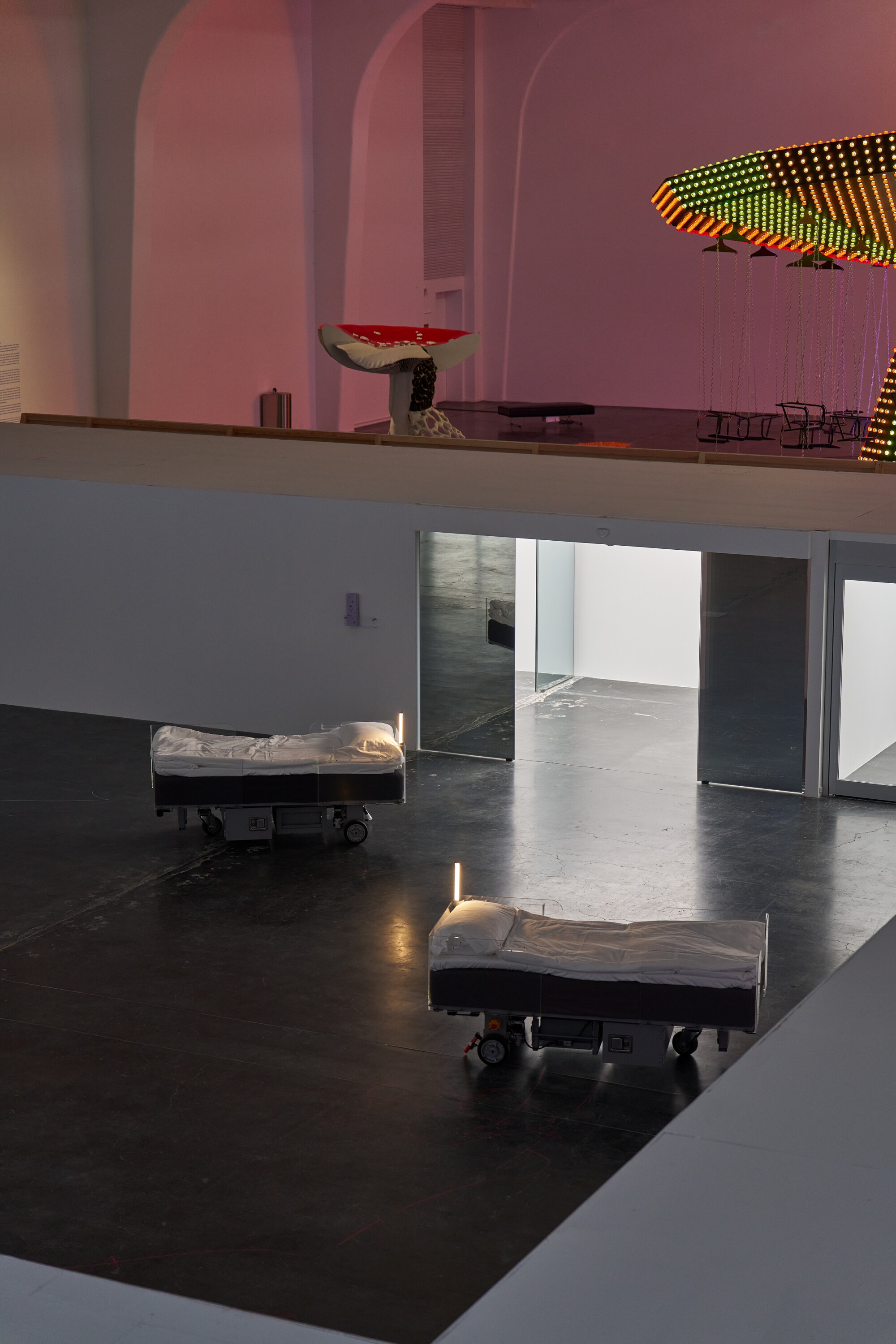
What is happening if one sleeps in the exhibition? What kind of dreams will it evoke? In Two Roaming Beds (Grey) (2015), two identical robotic beds move randomly through the exhibition space. Equipped with drawing devices when in use, they leave continuous traces on the floor, turning movement into a collective floor painting. Visitors can book an overnight stay, and upon waking, discover the path that they have taken during their sleep. In addition, they receive the specifically created toothpaste Insensatus as part of the exhibition experience.
The installations Light Wall (2000/2026) and Light Wall (Red and Blue) (2026) aim to synchronize visitors’ brain waves. Through flashing light and rhythmic stereo sound, these works may create both visual and acoustic hallucinations. Interestingly, the former, which holds only white bulbs, does produce the illusion of color, especially when approached with closed eyes. Similarly, Spinning Amanita (Black and White) (2026), consisting of a monochrome mushroom replica turning at high speed, causes viewers to perceive color. In the color section of “Two”, its naturalistically painted counterpart Spinning Amanita (Coloured) (2025) can be observed turning at the same speed.
Other works reflect Höller’s enduring interest in experimentation and the logics of repetition and reproduction. In the “Divisions” series (2018–2026), the artist employs division as a procedural principle, repeatedly bisecting canvases through lines and sequences of desaturating tones to create increasingly diminishing visual compositions. Through applying a set of fixed rules, these works function as visual experiments to generate forms approaching infinity. In Smell of My Mother and Smell of My Father (both 2017), Höller translates the logic of inheritance and genetic division into an olfactory experience. Recreating the scents of his parents and dispersing them under an exhibition bench, the released molecules envelop visitors to smell like his mother or his father, raising questions regarding the nature of lineage, resemblance, and even attraction.
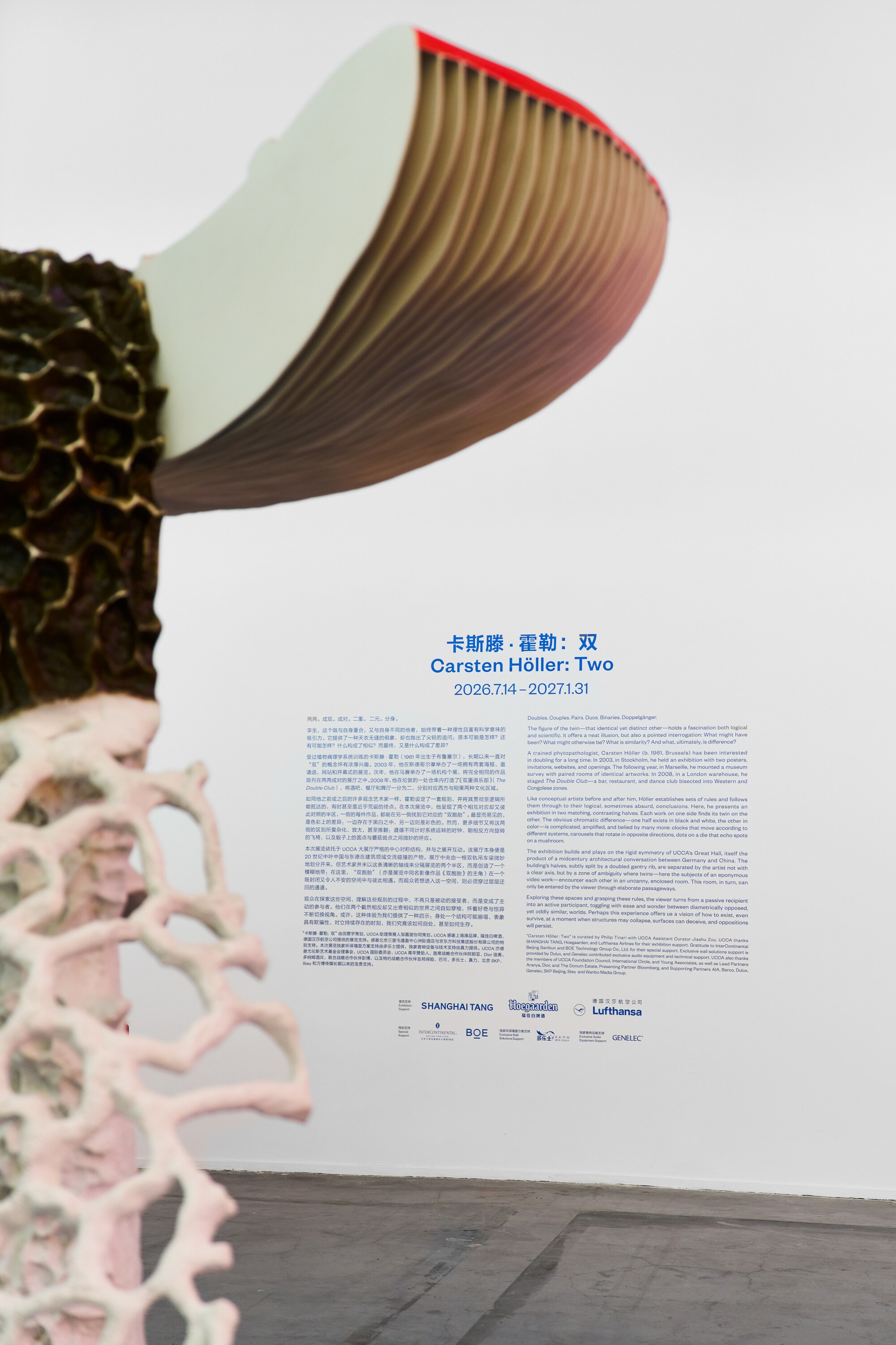
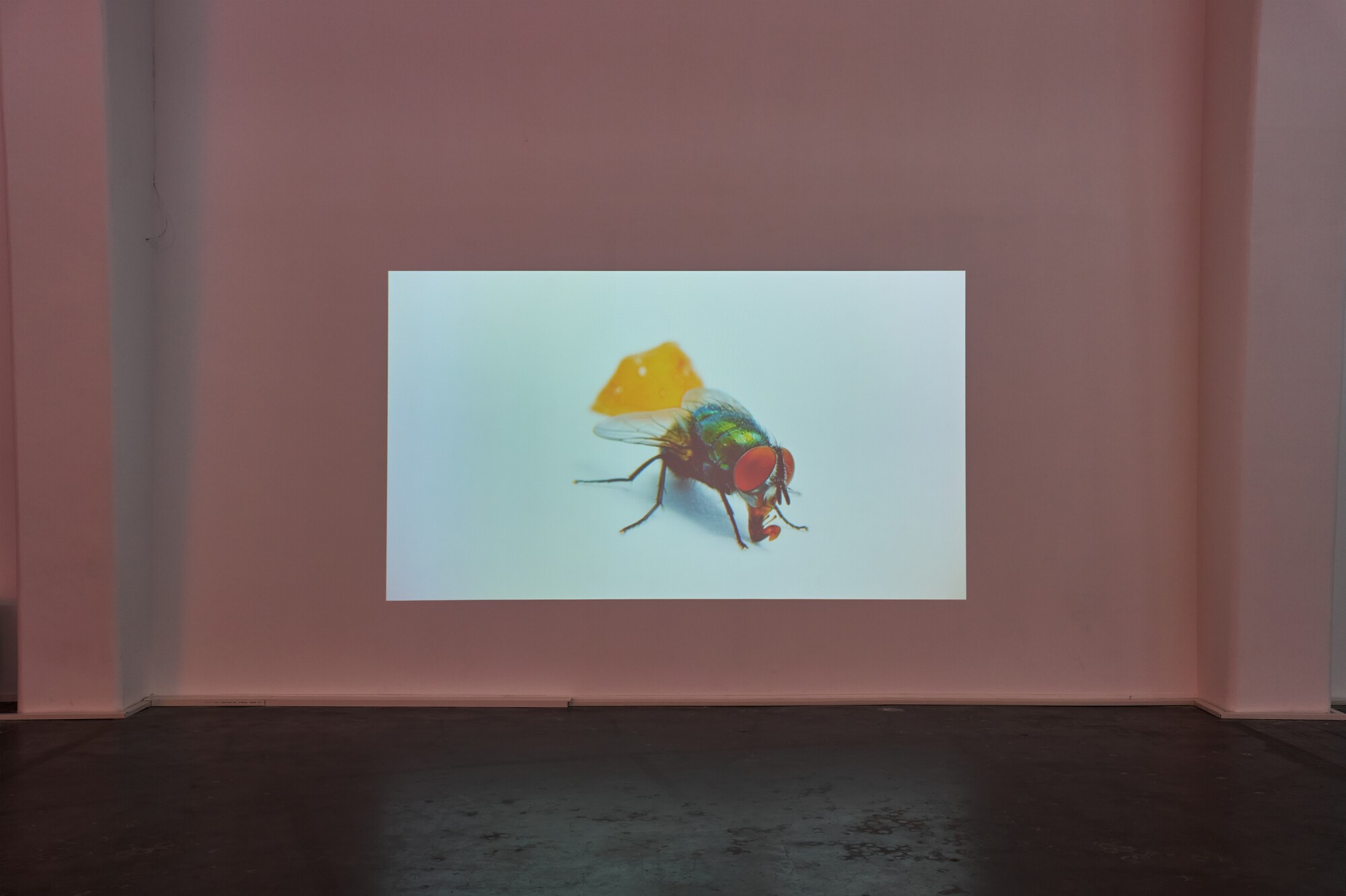
Giant Triple Mushroom (2024) combines enlarged cross-sections of three mushroom species into a single “clash of forms.” The monumental sculpture exemplifies the beauty of fungi and questions the biological, adaptive functions of their different forms, colors, and chemical components. Giant Triple Mushroom reflects Höller's fascination with how distinct forms emerge from shared origins, suggesting that even the closest study of the natural world leaves room for wonder, ambiguity, and the limits of human understanding.
Across visitor-activated installations, experiential environments, and alternately playful and uncanny encounters, “Carsten Höller: Two” unfolds as an exploration of doubling in its many forms. While visitors navigate the exhibition’s shifting pathways and experimental situations, they are invited to consider what might otherwise be: how similarity gives rise to difference, how seemingly contradictory possibilities may coexist, and how familiar boundaries can be redrawn. In “Two,” doubt becomes a catalyst for imagining the world anew.
About the Artist
Carsten Höller (b. 1961, Belgium) lives and works in Stockholm, Sweden; in Biriwa, Ghana; and in Tuscany, Italy. Born in Brussels to German parents, he has a background as a researcher in phytopathology/chemical ecology and received his doctorate in 1988 at the Christian-Albrechts-Universität zu Kiel, Germany, with a thesis on insect scent communication. He habilitated at the same university in 1993. Directly afterwards, he became an artist, making his first international appearance at the 1993 Venice Biennial. Carsten Höller’s works have been shown internationally over the past three decades, with major installations and solo exhibitions including “Synchro System” (Fondazione Prada, Milan, 2000); “One Day, One Day” (Färgfabriken, Stockholm, 2003); “Test Site” (Tate Modern, London, 2006); “Amusement Park” (2006) at MASS MoCA North Adams; The Double Club (London, 2008/2009); “Decision” (Hayward Gallery, London, 2015); “Doubt” (Pirelli Hangar Bicocca, Milan, 2016); “Y” (Centro Botín, Santander, 2017); “The Florence Experiment” (Palazzo Strozzi, Florence, 2018); “SUNDAY” (Museo Tamayo, Mexico City, 2019); “DAY” (MAAT, Lisbon, 2021); a second and third version of The Double Club (Miami, 2017 and Los Angeles, 2024); Stockholm Slides (Moderna Museet, Stockholm, 2025); Pink Mirror Carousel (Kulm Hotel, St Moritz, 2025). Höller’s Book of Games/Spielebuch was published in 2024 by Taschen. In 2022, he opened Brutalisten—a restaurant with brutalist cuisine where each dish consists of only one ingredient—in Stockholm.
Public Programs
Over seven-month run of “Carsten Höller: Two,” UCCA will present a series of public programs organized around three thematic strands: Against Fun, Not Human, and 7.8 Hz. These three units correspond to A. play, rules, and physical participation; B. non-human life and ecological relations; and C. sound, frequency, light, and embodied perception.
UCCA will invite philosophers, cognitive science researchers, artists, musicians, dancers, science fiction writers, and practitioners from diverse social backgrounds to participate in Conversations, Workshops, Special Guided Tours, Performing Arts, Listening Sessions, and Cinema Arts screenings, offering audiences a platform to explore how games, nature, and perception shape and expand our understanding of lived experience.
For the most up-to-date information on events, please refer to announcements on UCCA’s official website, UCCA’s official WeChat, and other social media platforms.
Support and Sponsorship
UCCA thanks SHANGHAI TANG, Hoegaarden, and Lufthansa Airlines for their exhibition support. Gratitude to InterContinental Beijing Sanlitun, BOE Technology Group Co., Ltd., and bespoke. Sur-Mesure Engineering Studio for their special support. Exclusive wall solutions support is provided by Dulux, and Genelec contributed exclusive audio equipment and technical support. UCCA also thanks the members of UCCA Foundation Council, International Circle, and Young Associates, as well as Lead Partners Aranya, Dior, and The Donum Estate, Presenting Partner Bloomberg, and Supporting Partners AIA, Barco, Dulux, Genelec, SKP Beijing, Stey, and Wanbo Media Group.
Ticketing
Carsten Höller: Two
Please scan the QR code to purchase tickets

Two Roaming Beds Overnight Experience
“Carsten Höller: Two” invites visitors into a world of shifting experiences, where unexpected relationships between time, space, and perception unfold. Bringing together key works from the artist’s practice alongside new projects, the exhibition features an interactive UCCA Beijing-specific presentation of Two Roaming Beds (Grey).
An automated navigation system powers the two beds in Two Roaming Beds (Grey) to slowly wander through the exhibition space, moving together in an ever-changing choreography. During the day, visitors can observe the beds autonomously tracing random paths through the galleries, like a duet in motion. At night, the work invites participants to sleep within the installation, making them both participants in the work and part of its realization.
Throughout the exhibition period (July 14, 2026–January 31, 2027), UCCA will offer an overnight experience of Two Roaming Beds (Grey) after the museum closes. Up to two participants may privately explore the exhibition space after hours before preparing for sleep with the artist’s specially created toothpaste. During the experience, a drawing mechanism attached to the beds will trace their continuous movements across the floor. These traces will remain as part of the artwork, becoming a record of the participants’ journey and an extension of the exhibition itself.
Experience Includes:
• A two-hour private after-hours viewing of UCCA Beijing’s major exhibition “Carsten Höller: Two”
• A private overnight experience with Carsten Höller’s work Two Roaming Beds (Grey) inside the exhibition space
• One box of toothpaste titled INSENSATUS, specially created by the artist for each participant (an integral part of the artwork and to be used before sleep)
• One set of sleep essentials for each participant, including a toothbrush, bathrobe, slippers, eye mask, earplugs, and more
• Breakfast at Peet’s Coffee (UCCA location only) on the first floor of the museum from 9:00–10:30 the following morning
Participation Guidelines
• For reservations, please email UCCA at ticketing@ucca.org.cn.
• Price: RMB 3,888 per night. UCCA members and patrons are eligible for a discounted rate of RMB 3,688 per night.
• A maximum of two participants are permitted per night.
• Participants must arrive at UCCA Center for Contemporary Art (No. 4 Jiuxianqiao Road, 798 Art District, Chaoyang District, Beijing) between 18:00 and 20:00. Private exhibition viewing takes place from 20:00 to 22:00.
• Valid identification is required at booking, and participants must sign the relevant agreement upon arrival.
• Participants may remain at UCCA until 9:00 the following morning. A wake-up call will be provided at 8:30.
• Smoking, alcohol, and food are prohibited inside UCCA.
• Shower facilities are not available. Basic washing facilities will be provided, so please prepare accordingly.
•INSENSATUS toothpaste is an artwork. Participants use it at their own risk and should inform staff of any allergies.
• Participants must be aged 14 or above. Those under 18 must be accompanied by an adult.
• Animals are not permitted. The venue is monitored by video surveillance, and security personnel will be on-site.
• Participants must respect the artworks and installations and follow staff instructions.
• Cancellation policy: Full refunds are available for cancellations made 14 days or more in advance; 50% refunds are available for cancellations made 7–14 days in advance. No refunds will be issued for cancellations made less than 7 days in advance.
• Non-commercial photography and video recording are permitted. Commercial photography, video recording, and livestreaming are prohibited.
• By completing the reservation, participants agree to these guidelines and related terms.
• Proceeds from this experience support the exhibition and UCCA’s ongoing operations and development.
The presentation of Two Roaming Beds (Grey) is made possible in part by the special support of InterContinental Beijing Sanlitun.
UCCA Beijing
Open Today, 10:00-19:00 (Final entry: 18:30)
798, No. 4 Jiuxianqiao Lu, Beijing
Tel: +86 153 1170 8837
UCCA Dune
Closed Today, 9:30-18:00
Aranya Gold Coast, Beidaihe
Tel: +86 335 7522 652
UCCA Clay
Closed Today, 9:00-18:00
West Entrance, Creative & Cultural Ceramic Avenue, Dingshu Town, Yixing City, Wuxi City, Jiangsu Province
Tel: +86 0510 8767 9989